Why Granny Flats Are a Popular Choice for Aging Parents
Your parent wants independence, but you want them close enough to help. A granny flat can sound simple until you hit zoning rules, layout tradeoffs, and confusing pricing. If you’re trying to balance privacy, safety, and family budgets, this breaks down the real decisions.
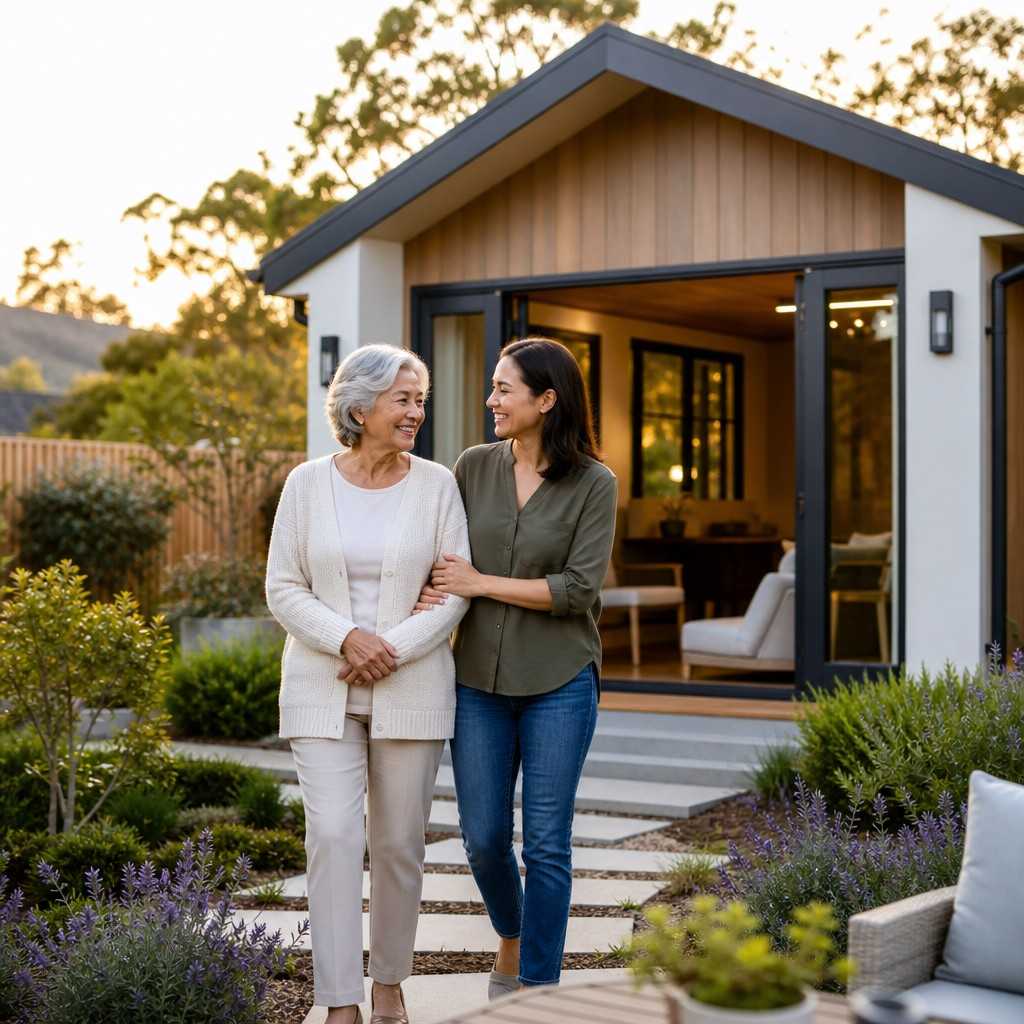
You’ll learn how to pick a layout that feels private but safe. This guide shows what accessibility features matter, what permits usually involve, and what budget ranges look like. You’ll also get a quick checklist for talking with builders and comparing prefab options.
What Families Get From A Backyard Home
A separate unit solves two problems at once. Parents keep their own front door and routine. Adult kids can check in fast without moving anyone into a shared living room.
It also simplifies care as needs change. You can start with light support like rides and meals. You can later add ramps, grab bars, and safer flooring.
Layouts That Work For Real Life
Good plans reduce daily friction. They also protect everyone’s privacy. Start by deciding how much help is likely in the next five years.
One-Bedroom Setups
Look for a true hallway, not a studio. A door between the bedroom and living area helps with noise and sleep. Many 1 bedroom granny flat floor plans place laundry near the bedroom for easier routines.
Two-Bedroom Setups
A second room is rarely “extra.” It becomes space for a caregiver, visiting grandkids, or medical equipment. The best 2 bedroom granny flat floor plans keep both bedrooms away from the kitchen wall.
Common 2 bedroom granny flat designs include an L-shaped plan, a central great room, or a split-bedroom plan. Ask for wider doorways and a zero-step entry early. Those changes are cheaper on paper.
Accessibility Details Builders Miss
Focus on features that prevent falls and make transfers easier. Specify a curbless shower with a linear drain. Request blocking in walls for future grab bars.
Choose lever handles, not knobs. Use rocker light switches at reachable heights. Pick matte flooring with real slip ratings, not “textured” marketing.
Plan for a walker turning radius in the bathroom. A 5-foot turning circle is a practical target. Add brighter, layered lighting in the entry and kitchen.
Budget Reality: Plans, Prefab, And Site Work
Sticker prices mislead because site costs swing the total. The cost to build granny flat often lands between $140,000 and $280,000 for a midrange finish. That range assumes utilities are reachable and the yard is not steep.
Use this breakdown when comparing granny flat designs and prices:
- Design and engineering: $6,000 to $18,000 for custom, less for stock plans.
- Permits and fees: $2,000 to $15,000 depending on reviews and impact fees.
- Foundation and slab: $18,000 to $45,000, higher for poor soils.
- Utility runs: $8,000 to $30,000 for trenching, panels, and tie-ins.
- Build shell and finishes: $95,000 to $190,000 for typical sizes.
For budgeting conversations, call the all-in number the granny flat cost. Use a separate line for driveway changes and landscaping.
A smaller unit can still be expensive if utilities are far. A realistic 1 bedroom granny flat cost is often $120,000 to $220,000. Size matters, but dirt work matters more.
Prefab And Modular Options Worth Comparing
Factory-built units can reduce schedule risk. They can also cut waste and rework. Ask how the company handles delivery access and crane needs.
Brands and builders to research include Champion Homes, Clayton Homes, Skyline Champion, Cavco Industries, Method Homes, and Connect Homes. Some offer modular shells. Others deliver near-finished units that still need foundations and hookups.
If you see ads for instant granny flats nsw, treat “instant” as marketing. Even prefab needs permitting, site prep, and inspections.
Permits, Zoning, And The Family Agreement
Start at the planning or building department counter. Ask about accessory dwelling unit rules, parking, and owner-occupancy requirements. Confirm maximum size, height, and setback rules in writing.
Then put the family plan on paper. Decide who pays for build, utilities, and repairs. Agree on what happens if the home is later rented or sold.
Builder Interview Checklist
- Show two sample plans and ask what they would change for aging in place.
- Ask for a site walk to flag trenching, grading, and panel capacity.
- Request an allowance list, not a single lump sum.
- Confirm who manages inspections and utility scheduling.
- Ask for references for ADU-sized projects, not only large homes.
FAQs
How Do I Compare Granny Flat Plans Without Getting Lost?
Compare four numbers: conditioned square footage, storage square footage, door widths, and bathroom layout. If any are missing, ask for a dimensioned plan sheet.
Do Two Bedrooms Always Cost Much More?
Not always. The kitchen, bathroom, and utility tie-ins drive a big chunk of cost. Many 2 bedroom granny flats prices are close to one-bedroom builds when the footprint grows modestly.
Why Do I Keep Seeing NSW Pricing Online?
Many galleries and calculators are published by firms marketing granny flats nsw. Treat those as layout inspiration only. Material rates, codes, and fees can differ a lot elsewhere.
What Should I Ask For In Writing Before Signing?
Ask for a payment schedule tied to inspections, a clear scope of site work, and a change-order process. Also confirm warranty coverage for roof, plumbing, and appliances.
References
- U.S. Department of Housing and Urban Development (HUD), guidance on manufactured housing standards.
- International Code Council (ICC), International Residential Code resources.
- AARP, aging-in-place home design and safety resources.
Disclaimer: The information provided in this article is for educational and informational purposes only. It does not constitute professional advice. Readers should conduct their own research and consult with qualified professionals before making any decisions.