
When Itchy or Red Eyelids Might Be More Than Just Tiredness
Red, itchy eyelids can look like “bad sleep,” allergies, or leftover makeup. But stubborn crusting at the lash line and recurring styes often point to blepharitis. If your eyes burn, feel gritty, or flare in cycles, you need a plan that goes beyond splashing water and hoping.
You’ll learn the fast clues that separate simple irritation from blepharitis. You’ll get a step-by-step lid cleaning routine that takes five minutes. You’ll also know which over-the-counter options are worth trying, and when to stop guessing and get checked.
What Blepharitis Usually Looks Like
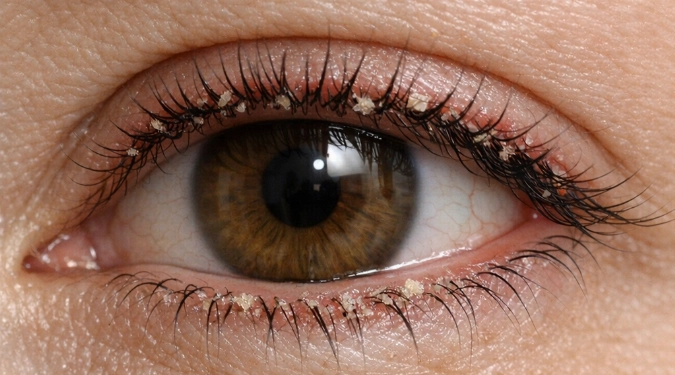
Blepharitis is inflammation along the eyelid edge. It often flares, calms down, then returns. It can affect one or both eyes. Common signs include burning, gritty feeling, and crusting at the lash line. Lids may look puffy, shiny, or slightly scaly. Some people wake with lashes stuck together.
If you search blepharitis pictures eyelid or images of blepharitis, look for redness at the lash base. Also look for greasy flakes that cling to lashes.
Why It Happens, In Plain Terms
If you’re asking how do you get blepharitis, the answer is usually “a perfect storm.” Oil glands in the lids can clog. Skin conditions can raise irritation. Normal bacteria can also overgrow at the lash line.
Triggers include rosacea, seborrheic dermatitis, dry eye, and heavy eye makeup. Contact lenses can make symptoms more noticeable. So can allergies, smoke, and low humidity.
A Quick Self-Check Before You Treat
Use a mirror and bright light. Check the lid margin where lashes emerge. Note if flakes are dry and dandruff-like, or greasy and yellow. Gently press the lower lid near the lash line with clean hands. If oil looks thick, cloudy, or toothpaste-like, glands may be blocked.
Check your routine too. Old mascara, lash serums, and waterproof liner can worsen buildup. So can incomplete makeup removal.
The Five-Minute Lid Hygiene Routine
Consistency beats intensity. Do this once daily during calm weeks. Do it twice daily during flares.
Step 1: Use a clean warm washcloth for 5 to 10 minutes. Re-warm it as it cools. Heat helps soften thick oils.
Step 2: With clean fingers, sweep downward on the upper lid. Sweep upward on the lower lid. Use light pressure for 20 to 30 seconds per lid.
Step 3: If you’re wondering how to clean eyelids with blepharitis, keep it simple. Use a lid wipe or foam on closed eyes. Clean along the lash line, then rinse if the label says so.
Popular options include Ocusoft Lid Scrub, Avenova, Systane Lid Wipes, Blephadex, Cliradex, and TheraTears SteriLid. Some use hypochlorous acid. Others use tea tree-derived ingredients.
Over-The-Counter Options That Make Sense
An over the counter treatment for blepharitis usually supports hygiene and comfort. It does not “cure” an underlying tendency. Pick based on what you see and feel.
- Lid wipes or foams: best first-line for crusts and lash debris.
- Hypochlorous acid sprays: useful for sensitive skin and frequent use.
- Lubricating drops: preservative-free vials help if dryness is driving burning.
- Warm compress masks: reusable masks can hold heat longer than cloths.
If you’re searching blepharitis over the counter treatment, avoid harsh soaps and alcohol near the eye. They can worsen dryness and sting.
Home Habits That Reduce Flares
If you want how to treat blepharitis at home, focus on repeatable habits. Replace eye makeup every 3 months. Remove makeup fully every night. For natural remedies for blepharitis, stay cautious. Warm compresses are the safest “natural” tool. Tea tree products can help mites in some cases. They can also irritate sensitive lids.
When To Stop DIY And Get Help
Seek urgent care for eye pain, light sensitivity, or sudden vision changes. Also get checked for spreading redness, fever, or a tender lump that grows. Book an exam if symptoms last over two weeks. Go sooner if you have recurrent styes, contact lens intolerance, or one-sided symptoms that keep returning.
What “Best Treatment” Really Means
The best treatment for blepharitis is the one you can sustain. Most people need a maintenance plan. That is why some say i cured my blepharitis after building a routine.
In practice, the goal is fewer flares and calmer lids. For many, the best products for blepharitis are a warm compress mask, a gentle lid cleanser, and preservative-free tears.
If you’re trying to figure out how to get rid of blepharitis, track triggers for three weeks. Write down sleep, screen time, makeup, and flare days. Bring that log to an eye clinician.
References
- American Academy of Ophthalmology (AAO), patient education on blepharitis and eyelid hygiene.
- National Eye Institute, general information on eyelid inflammation and dry eye.
- TFOS DEWS II reports, dry eye and meibomian gland dysfunction management.
Disclaimer: The information provided in this article is for educational and informational purposes only. It does not constitute professional advice. Readers should conduct their own research and consult with qualified professionals before making any decisions.