What to Know About Non Surgical Facelifts
Non-surgical facelifts bring together minimally invasive methods to improve facial appearance without large incisions or general anesthesia. These treatments target wrinkles, lost facial volume, and skin texture with options such as Botox, dermal fillers, and laser resurfacing. More than 13 million procedures are carried out each year in the United States, and these approaches provide shorter recovery periods, lower expenses, and fewer risks than traditional surgical facelifts.
Understanding Non Surgical Facelifts
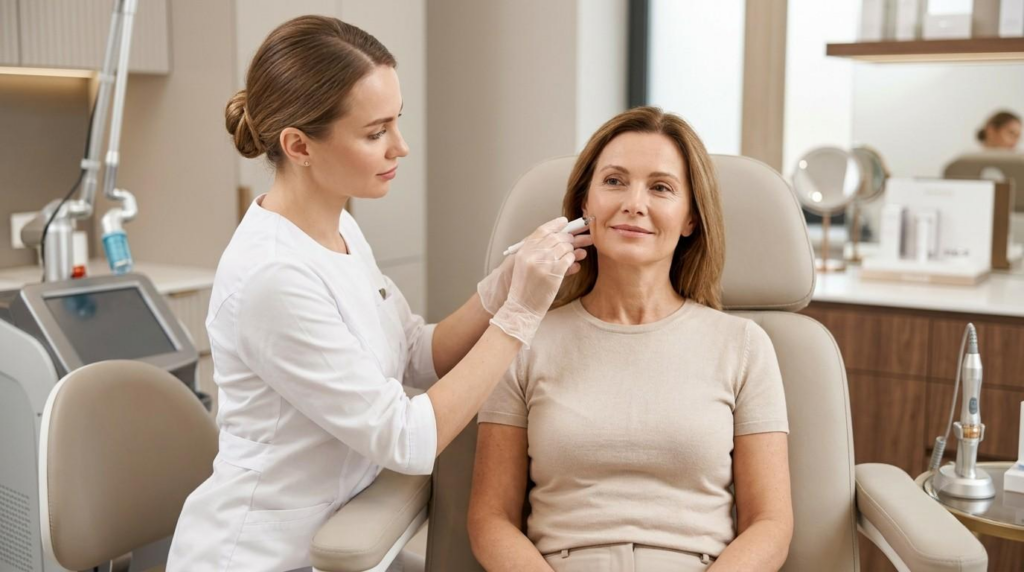
A nonsurgical facelift is a contemporary method of facial rejuvenation that has become increasingly popular in recent years. It combines minimally invasive and nonsurgical methods intended to refresh and rejuvenate the face without large incisions, general anesthesia, or an overnight hospital stay. These treatments are appealing because they can address several visible signs of aging while reducing the risks and recovery period linked with conventional surgical facelifts.
Interest in these procedures has increased considerably over the past several years. In 2017, more than 15,700,000 minimally invasive procedures took place in the United States. By 2020, healthcare providers had carried out over 13 million minimally invasive cosmetic procedures across the country, with facial treatments making up most of them, including botulinum toxin, dermal fillers, and laser skin resurfacing. The numbers demonstrate a notable change in preference, with approximately 13.2 million nonsurgical cosmetic procedures compared with 2.3 million cosmetic surgical procedures in 2020.
Common Treatment Options
A variety of nonsurgical treatments can be used to address different signs and aspects of facial aging. Among the most widely used choices are botulinum toxin injections, better known as Botox. These injections smooth wrinkles and may remain effective for up to three months before another treatment is needed. The effects generally continue for three to four months, and the treatment ranked first among nonsurgical procedures in 2020.
Another flexible facial rejuvenation option is dermal fillers. Depending on the particular product, these injectable treatments can remain effective for six months to more than a year. Certain fillers can provide results lasting anywhere from six months to several years. By restoring facial volume, these treatments can rejuvenate the face, with an average cost of about $694 per treatment.
Other treatment methods include chemical peels, dermabrasion, and fat injections. Laser skin resurfacing, microdermabrasion, and microneedling are additional choices, with each one addressing particular skin concerns. More advanced technologies, including Ultherapy and ThermiTight, use laser and ultrasound treatments to tighten the skin and promote rejuvenation. Ultherapy is specifically intended for skin tightening and has a cost of approximately $2,300.
The Science Behind Facial Aging
Knowing how facial aging occurs helps clarify why particular treatments focus on different concerns. Board certified dermatologist Elizabeth Geddes-Bruce notes that skin laxity is just one part of the aging process, while the loss of facial volume is also an important factor. This helps explain why effective facial rejuvenation may involve several treatment approaches instead of relying on only one procedure.
A surgical facelift does not correct fine lines or crepey skin texture, making fillers and lasers necessary for those concerns. This drawback of surgical treatments demonstrates where nonsurgical procedures can provide distinct benefits. Using different modalities to address several signs of aging allows patients to pursue more complete results that are suited to their individual needs.
Financial Considerations
The cost of treatment is an important consideration when evaluating facial rejuvenation choices. Compared with surgical alternatives, nonsurgical treatments are substantially less expensive. A surgical facelift costs approximately $8,005, whereas Botox treatments cost an average of about $466. This considerable difference in price can make nonsurgical treatments available to a wider group of people interested in enhancing their facial appearance.
Although each nonsurgical procedure has a lower initial price, patients also need to account for continued maintenance. Because these treatments must be repeated periodically to preserve their effects, expenses can build up over time. Even so, less product may eventually be required because hyaluronic acid in dermal fillers promotes collagen production and Botox continues to keep muscles relaxed. If treatments become less frequent over time, this may make long-term costs easier to manage.
Benefits and Advantages
In addition to being more affordable, nonsurgical facelifts provide several other benefits. Recovery is generally shorter than it is with surgical alternatives, enabling patients to resume their usual activities sooner. The procedures themselves also tend to be brief, and many can be completed in less than an hour.
Another major benefit is their lower overall risk profile. Because these treatments do not involve general anesthesia or large incisions, they generally involve fewer risks. The absence of large incisions, general anesthesia, and overnight hospitalization also means patients avoid many complications connected with major surgery.
Potential Risks and Complications
Even though nonsurgical facelifts generally involve fewer risks than surgical procedures, complications can still occur. Bleeding, blisters, and bruising are among the common side effects associated with these treatments. Patients should also understand that infection and scarring are possible complications before receiving treatment.
In uncommon cases involving botulinum toxin and dermal fillers, patients can develop fever, headache, nausea, or a skin rash. Although these reactions are rare, they reinforce the value of selecting qualified practitioners and carefully following instructions before and after treatment.
Maintenance Requirements
The temporary results associated with nonsurgical facelifts are an important factor to consider. A nonsurgical facelift is designed to temporarily refresh, firm, or add fullness to facial skin. Because the effects are temporary, noninvasive treatments generally have to be repeated every few months to preserve the desired results.
Maintenance schedules differ according to the particular treatment being used. Botox injections generally remain effective for three months, so patients need regular follow-up visits during the year. Dermal fillers typically provide results for a longer period, with certain formulations lasting from six months to more than a year. Accounting for these recurring appointments and their related expenses can help patients maintain consistent results over time.
Why You Should Learn More About Nonsurgical Facelifts Today
Advances in nonsurgical techniques have significantly changed the field of facial rejuvenation. For people who want to refresh their appearance without undergoing invasive surgery, these procedures provide effective alternatives. Millions of treatments are performed each year in the United States, making nonsurgical facelifts mainstream choices backed by substantial clinical experience and continued technological development. Their combination of lower costs, limited recovery time, and reduced risk profiles has made these treatments available to a broader population than ever before. Learning about the available treatments, along with their advantages, limitations, and maintenance needs, gives individuals the information needed to make informed choices about their facial rejuvenation journey. Whether the concern involves wrinkles, loss of volume, or skin texture, the wide variety of nonsurgical treatments offers customizable approaches for different signs of aging. As these techniques continue to develop and improve, remaining informed can help individuals benefit from the latest and most effective methods for preserving a youthful, refreshed appearance.