
What Snacks Might Help You Sleep Better at Night
Tossing and turning can be frustrating, especially when hunger pangs strike right as you are trying to drift off. However, reaching for the wrong food can keep you awake, while choosing the right bedtime snacks for better sleep can actually help you doze off faster. The secret lies in specific nutrients that calm the brain and relax the muscles.
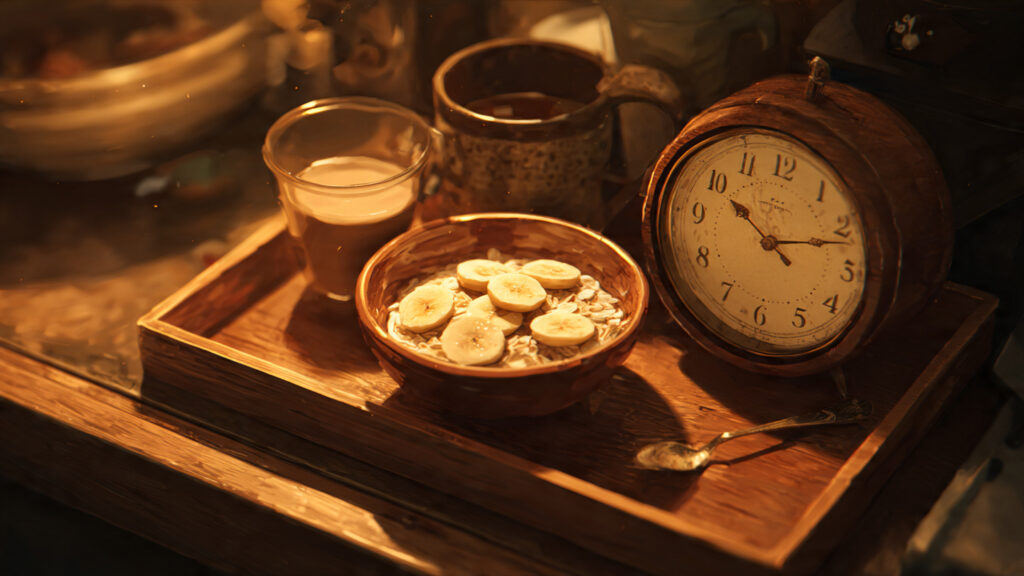
This guide explores what snacks might help you sleep better at night, focusing on scientifically backed options that promote relaxation. We will identify the best foods for sleep, explain why they work, and provide simple recipe ideas to integrate them into your nightly routine. By making smart dietary choices, you can transform your late-night snack from a guilty pleasure into a sleep aid.
Why Bedtime Snacks Matter
The connection between your stomach and your sleep cycle is powerful. Eating the right snacks that promote sleep does more than just quell hunger; it provides the raw materials your body needs to produce sleep hormones.
- Tryptophan: This is an essential amino acid found in many proteins. Your body uses tryptophan to produce serotonin, a neurotransmitter that stabilizes mood, which is then converted into melatonin, the hormone that regulates your sleep-wake cycle.
- Magnesium: Often called “nature’s relaxant,” magnesium is a mineral that helps deactivate adrenaline and relax muscles. A deficiency in magnesium is frequently linked to insomnia and restless legs.
- Melatonin: Some foods that help you sleep naturally contain melatonin, directly signaling to your body that it is time to rest.
Conversely, going to bed hungry can cause your blood sugar to drop, triggering the release of cortisol (the stress hormone) which can wake you up in the middle of the night. A light, nutrient-dense snack acts as a stabilizer.
Top Snacks for a Restful Night
If you are looking for the best foods for sleep, prioritize these four specific options that are packed with sleep-supporting nutrients.
1. Bananas: Bananas are practically a sleeping pill in a peel. They are an excellent source of both magnesium and potassium, two minerals that work together to relax overstressed muscles and nerves. Additionally, bananas contain vitamin B6, which is crucial for converting tryptophan into serotonin.
2. Almonds: Almonds are a powerhouse of sleep nutrition. Just a small handful provides a significant dose of magnesium (improving sleep quality) and protein (keeping blood sugar stable). They are also a natural source of melatonin.
3. Yogurt (Especially Greek Yogurt): Dairy products like yogurt are rich in calcium. Research suggests that calcium helps the brain use the tryptophan found in dairy to manufacture melatonin. Choosing Greek yogurt boosts the protein content, which can help you feel full throughout the night without the heaviness of a full meal.
4. Whole-Grain Crackers with Cheese or Nut Butter: This combination is a classic for a reason. The complex carbohydrates in whole-grain crackers trigger a slight insulin release, which helps tryptophan enter the brain more easily. Pairing the crackers with protein (cheese or nut butter) ensures a slow release of energy, preventing blood sugar crashes that could wake you up.
What to Avoid Before Bed
Just as some foods help, others hinder. To ensure your bedtime snacks for better sleep are effective, you must strictly avoid:
- Caffeine: Found in coffee, tea, and even dark chocolate. It is a stimulant that blocks sleep-inducing chemicals in the brain and can stay in your system for up to 6-8 hours.
- High-Sugar Foods: Candy, sugary cereals, or sweet pastries cause a rapid spike in blood sugar followed by a crash, which can lead to restlessness.
- Heavy Fats: Greasy or deep-fried foods take a long time to digest. Eating them too close to bedtime forces your digestive system to work overtime, leading to discomfort and potential indigestion that disrupts deep sleep.
Easy Bedtime Snack Recipes
You do not need to be a chef to prepare effective snacks that promote sleep. Here are three simple ideas:
The Warm Oatmeal Bowl: Prepare a small bowl of warm oatmeal (not instant sugary packets). Top it with a sprinkle of crushed walnuts and a light drizzle of honey. The oats provide melatonin and fiber, while the warm temperature is naturally soothing.
The “Sleepy” Smoothie: Blend half a banana, a handful of spinach (rich in magnesium), a cup of almond milk, and a tablespoon of almond butter. This drink is easy to digest and packed with muscle-relaxing minerals.
The Classic Pair: Take 3-4 whole-grain crackers and top them with a slice of turkey or a small wedge of cheddar cheese. Turkey is famous for its tryptophan content, making this a savory, sleep-inducing option.
Smart Snacking Habits for Sleep
- Timing: Aim to eat your snack about 45 minutes to one hour before you plan to sleep. This gives your body enough time to start digestion but ensures the nutrients are active when you lay down.
- Portion Control: Keep it small—under 200 calories. A full stomach can lead to acid reflux when you lie horizontally. You want to be satisfied, not stuffed.
Beyond Snacks: Building a Sleep-Friendly Routine
- Relaxation Techniques: Try a warm bath or gentle stretching to physically relax your body before getting into bed.
- Limit Blue Light: Turn off screens (phones, tablets, TV) at least an hour before sleep. Blue light suppresses melatonin production, counteracting the benefits of your snack.
- Consistency: Try to go to bed and wake up at the same time every day to regulate your internal clock.
Conclusion: Choosing what snacks might help you sleep better at night is a simple yet effective way to improve your rest. By reaching for magnesium-rich bananas, calcium-packed yogurt, or complex carbs like whole-grain crackers, you fuel your body’s natural sleep processes. Avoid stimulants like caffeine and sugar, keep portions small, and integrate these bedtime snacks for better sleep into a calming nightly routine for the best results.