
What Homeowners Should Know About Backyard Granny Pods
Granny pods—also called portable med cottages, backyard caregiver suites, or simply tiny homes for seniors—are small, self-contained living units installed on a homeowner’s property. These backyard dwellings provide independent living spaces for aging family members, guests, or even rental purposes while keeping occupants close to loved ones. As part of the broader trend of Accessory Dwelling Units (ADUs), granny pods are increasingly considered by U.S. homeowners seeking flexible housing solutions that balance privacy, convenience, and support.
What Exactly Are Granny Pods?
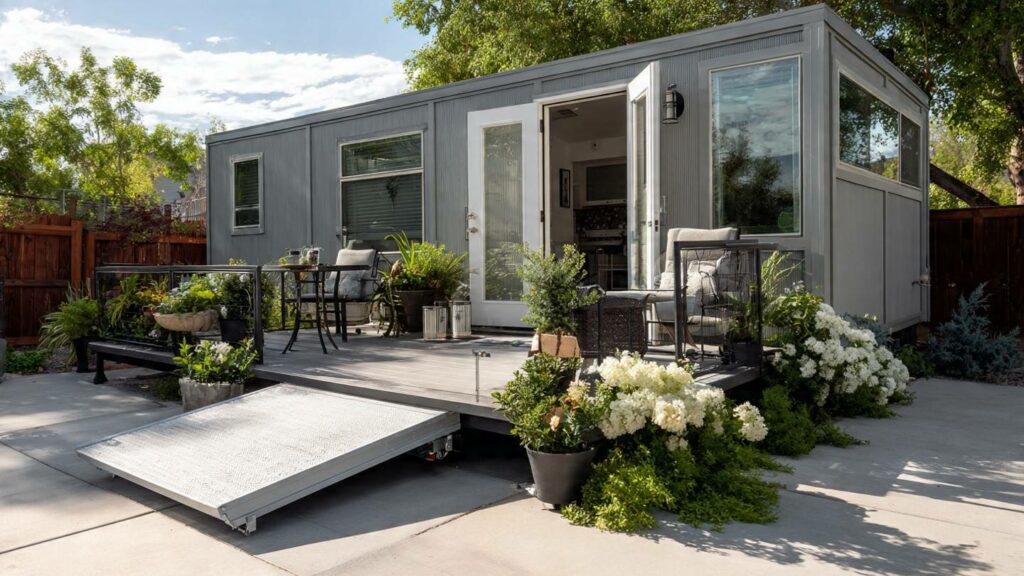
At their core, granny pods are compact, standalone homes located in a backyard or on a residential lot. They are designed to mirror basic household functionality in a smaller footprint, often ranging from about 250 to 900 square feet. Key characteristics of granny pods:
- Function as a backyard dwelling unit separate from the main house
- Often classified as ADUs (Accessory Dwelling Units) under local zoning laws
- Typically include essential living spaces such as:
- A bedroom or studio layout
- A kitchenette or small kitchen
- A full bathroom with accessibility features
- A living area with seating and bright windows
Because these resemble tiny homes, they provide the feel of a Backyard Rental Unit or Backyard Caregiver Suite, depending on the homeowner’s intention.
Why Homeowners Choose Backyard Granny Pods
Granny pods are not just tiny homes—they meet very specific family and lifestyle needs. On one hand, they are often built for older relatives who want independence but require proximity to family support. On the other, they can serve as flexible living space that adapts over time. Common purposes granny pods serve:
- Independent senior living: Allows aging parents to live near family while maintaining autonomy
- Assisted living alternative: Pods can be equipped with safety features, reducing the need for full-time care facilities
- Guest or caregiver suite: Provides separate living space for long-term visitors or live-in caregivers
- Rental income: Some homeowners convert unused ADUs into rental units where local regulations permit
- Home office or studio: When not used for housing, pods serve as adaptable auxiliary space
This versatility often makes granny pods attractive to multi-generational households and those seeking extra functional square footage.
Benefits Families Gain From Granny Pods
The reference article emphasizes several advantages that extend beyond convenience: Major benefits of backyard granny pods:
- Independence + Support: Seniors retain privacy while family remains nearby for help or emergencies
- Emotional peace of mind: Families enjoy knowing loved ones are close, yet in their own space
- Cost effectiveness: Long-term costs can be significantly lower than assisted living or nursing facilities
- Flexible future use: Pods can be repurposed as guest houses, offices, or rentals when not needed for caregiving
These benefits contribute to granny pods being a practical, long-term investment for many households.
Key Considerations Before Building
Installing a granny pod is more than placing a small house in your backyard—it requires thoughtful planning, legal compliance, and proper budgeting. Critical planning factors include:
- Zoning laws & permits: Local regulations determine whether ADUs are allowed, minimum setbacks, and size limits
- Permitting process: You may need building permits, architectural plans, and inspections for plumbing, electrical, and safety
- Budgeting beyond the shell: Include costs for site prep, utilities (water, sewer, electric), foundation work, and hookup labor
- Accessibility design: Zero-step entry, wide doorways, and accessible bathrooms improve usability for seniors
- Contractor selection: Vet builders or ADU manufacturers for experience with small home construction and senior-adaptive design
Addressing these considerations early reduces risks of delays, code violations, or unexpected expenses.
Common Features and Design Enhancements
Today’s granny pods add comfort and safety features tailored to aging occupants: Typical senior-friendly enhancements:
- Slip-resistant flooring and handrails
- Zero-step or ramp entry systems
- Enhanced lighting and wide hallways
- Emergency call systems and smart monitoring
- HVAC, insulation, and climate controls suitable for year-round use
These details help pods function as Backyard Caregiver Suites that support both comfort and long-term independence.
Conclusion: Backyard granny pods provide homeowners with a flexible solution for multi-generational living, caregiving support, or adaptive property use. By understanding what granny pods are, reviewing benefits, planning for zoning and cost factors, and prioritizing safety and accessibility, families can make informed decisions about adding one to their property. In a housing landscape where options for aging relatives and flexible living space are increasingly valued, granny pods offer a thoughtful balance of independence, proximity, and practicality.