
What Happens to Unsold Tool Chests After Major Sales
Have you ever walked through a major home improvement retailer after a holiday promotion and wondered what happens to the leftover inventory? Understanding what happens to unsold tool chests after major sales is key to recognizing how retail supply chains manage excess stock. When consumers decide to shop tool box options outside of peak seasons, they often encounter these exact items. This article explores the journey of unsold tool chests after the promo period, detailing the various liquidation paths they take and explaining why smart buyers choose them when analyzing a tool box clearance sale.
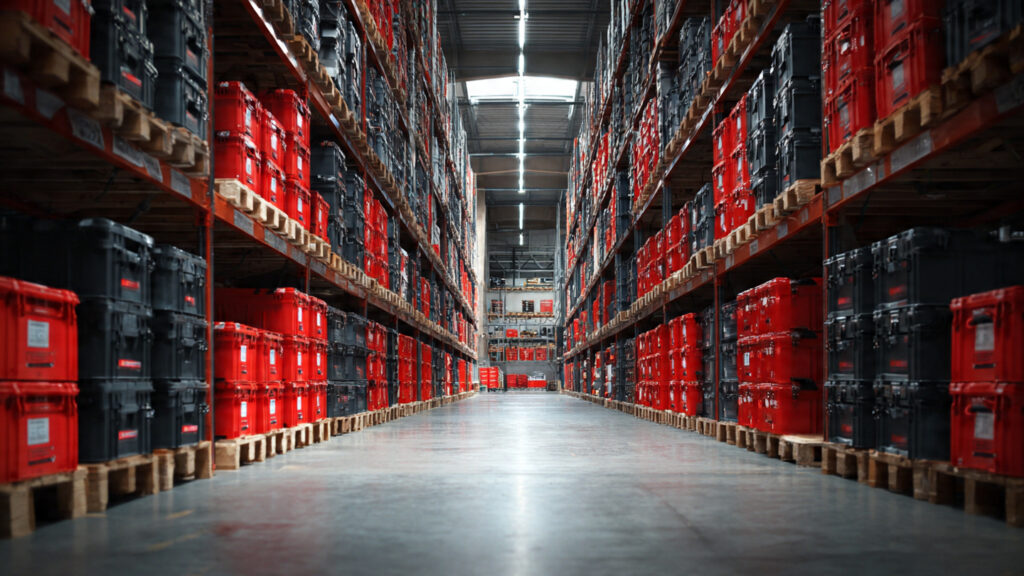
The Journey of an Unsold Tool Chest
Retailers such as Home Depot, Lowe’s, and Harbor Freight typically order inventory months ahead of major retail events like Father’s Day or Black Friday. They stock up on heavy-duty items from brands like Husky, Craftsman, and U.S. General. However, forecasting consumer demand is an imperfect science. When the promotional banners come down, a significant volume of brand-new, unsold tool chests often remains on the floor.
Because retail square footage is valuable and warehouse space must be cleared for seasonal transitions, holding onto this bulky inventory is financially inefficient. The pressure to clear out these large items creates a secondary market. Understanding this process explains what happens to unsold tool chests and how secondary pricing works.
Path 1: In-Store Clearance
The most immediate logistical solution for a retailer is an in-store price reduction. Unsold tool chests that missed the promotional window are typically moved to designated aisles and tagged for a tool chest clearance. This represents the retailer’s first attempt to recover manufacturing and shipping costs while freeing up floor space.
Consumers monitoring tool chests on sale often observe that these initial reductions start modestly—typically around ten to fifteen percent—and may increase incrementally the longer the item sits. Recognizing this timeline helps buyers understand how post-holiday markdowns function.
Path 2: Relocation to Outlet Stores
Several large national hardware chains operate their own secondary outlet locations. Instead of keeping excess inventory at primary retail sites, they consolidate and transport unsold tool chests to these discount centers. At these outlets, the items undergo a permanent price adjustment. While locating a brand-specific outlet requires research, this path explains how perfectly new, unopened merchandise shifts away from main retail floors.
Path 3: The Liquidation Market
For massive volumes of excess stock, the liquidation market is the primary destination. When retailers need to offload pallets or truckloads of merchandise, they sell them to third-party liquidation companies at a fraction of the wholesale cost.
These liquidators then categorize the items—often labeling the unsold tool chests as “overstock,” which means they are new-in-box and have never been purchased by a consumer. This differs from “customer returns,” which may possess defects. Smaller business entities or independent sellers often purchase these pallets to resell locally.
Path 4: Return to Vendor (RTV)
In specific contractual scenarios, a retailer may have a Return to Vendor (RTV) agreement. This allows the store to ship unsold tool chests back to the original manufacturer, such as Milwaukee or Craftsman. The manufacturer may then distribute the product through alternative channels. While less common for bulky metal storage units due to high freight costs, RTV agreements remain a standard part of the retail ecosystem.
How Smart Buyers Find the Best Deals
Understanding the lifecycle of excess inventory is only the first step. Smart buyers choose unsold tool chests because they recognize the predictable patterns of retail logistics. Here is an educational breakdown of how consumers typically navigate these secondary markets.
Check Clearance Sections Religiously
Observing physical store layouts is a common strategy. Consumers who frequently evaluate tool chests on sale make it a habit to walk the transition aisles immediately following major holidays. Engaging with store employees to ask about floor models or open-box units is a standard method for understanding unadvertised price adjustments.
Explore Online Liquidation Marketplaces
The digital liquidation space operates on a massive scale. Several prominent business-to-business (B2B) and business-to-consumer (B2C) platforms facilitate the movement of unsold tool chests:
- B-Stock: This platform manages official liquidation auctions for major retailers, offloading excess hardware and home improvement goods.
- Liquidation.com: A marketplace where buyers can acquire everything from single overstock units to entire truckloads of general merchandise.
- Bulq: This site provides pallets of overstock items, typically supplying detailed manifests so buyers can analyze the exact contents and condition of the inventory.
Follow Local Resellers and Auction Houses
Another standard route involves local secondary markets. Independent entrepreneurs often purchase the aforementioned liquidation pallets and list the individual unsold tool chests on community boards or auction sites. Monitoring these local supply chains provides insight into how wholesale liquidations eventually reach the individual consumer.
Frequently Asked Questions
Are unsold tool chests always new? Typically, yes. Items categorized strictly as “overstock” or part of a tool chest clearance are usually brand-new and in their original factory packaging. However, consumers must distinguish overstock from “customer returns,” which can often be used, dented, or missing hardware. Verifying the exact classification is a standard practice before acquisition.
Do these tool chests come with a warranty? When unsold tool chests pass into third-party liquidation channels, the original manufacturer’s warranty is frequently voided. These items are generally sold “as-is.” Consumers typically weigh the lower acquisition cost against the absence of factory protection.
What is the best time of year to find these deals? The retail calendar dictates inventory purges. The highest volume of excess stock typically appears immediately following major hardware purchasing seasons. This includes late June (following Father’s Day), January (following the winter holidays), and early December (after late-November promotional events).
Conclusion:Ultimately, what happens to unsold tool chests after major sales comes down to the high cost of retail storage. Rather than letting bulky metal storage units take up valuable warehouse space, major retailers utilize clearance aisles, outlet centers, and third-party liquidators to move excess inventory. By understanding these exact pathways, consumers can make educated decisions when analyzing post-promotional markets and choosing the right storage solutions for their workshops.
Disclaimer: The information provided in this article is for educational and informational purposes only. It does not constitute professional advice. Readers should conduct their own research and consult with qualified professionals before making any decisions.