
What Causes Eye Discharge to Build Up and Get Worse
Eye discharge that turns thicker, stickier, or more frequent can be annoying fast. It can also signal irritation, blocked oil glands, allergy, or infection. If you are waking up glued shut, seeing stringy mucus all day, or feeling sinus pressure too, you need clear next steps.
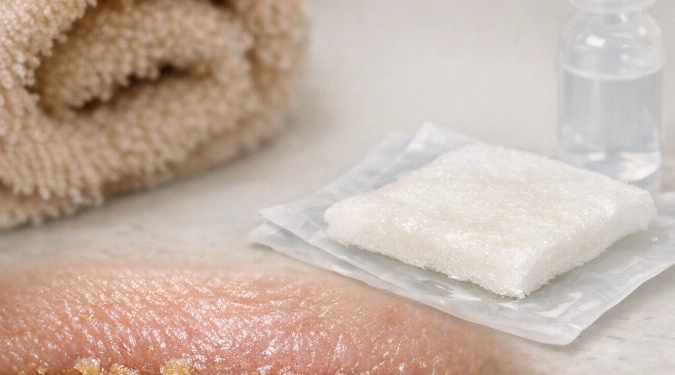
Learn what each discharge type usually points to. Spot the daily habits that make buildup worse. Follow a safe, stepwise cleanup plan that protects your eyelids. You’ll also know which symptoms mean you should stop home care and get checked fast by a clinician.
Why Discharge Suddenly Gets Thick And Sticky
Discharge builds up when your eye’s surface is irritated or inflamed. The eye responds by making more mucus and tears. Oil from the eyelid glands can also get thicker. That oil can trap debris and germs. The result is stringy or glue-like buildup.
What The Color And Texture Often Suggest
Clear And Watery: This pattern often matches allergy or mild irritation. Wind, smoke, and chlorine can do it. So can dry air and screens.
White Strings Or “Ropes”: Stringy mucus in eyes often shows up with dryness or allergies. It can also follow overuse of decongestant eye drops. Rubbing can increase strings by stirring up mucus.
Yellow Or Green With Crust: Thicker, colored discharge can appear with infection. Eyelids may stick shut, causing a crusty eye in the morning. A tender lid margin can suggest blepharitis too. Blepharitis is inflammation at the lash line.
Greasy Flakes On Lashes: Oil gland blockage can thicken discharge. It often pairs with burning and gritty feeling. It can flare with rosacea or dandruff.
Common Triggers That Make Buildup Worse
- Contact lenses: Reduced oxygen and more surface friction can raise irritation. Dirty cases and old solution can add germs.
- Eye rubbing: It spreads irritants and can worsen eye inflammation. It also increases swelling, which blocks oil glands.
- Makeup and lash products: Old mascara and lash glue can inflame lids. Waterproof remover residue can also sting.
- Dry environments: Fans, car vents, and heaters dry the tear film. The eye compensates by making thicker mucus.
- Upper respiratory illness: Nasal congestion can affect tear drainage. Some people notice sinus infection eye discharge during bad colds.
When Sinus Pressure And Eyes Collide
Your tears drain through small openings into the nose. Swelling in the nose can slow that drainage. That can leave tears and mucus sitting on the eye longer. People describe it as phlegm in eyes, even when it is mucus.
Severe facial pressure plus eye symptoms needs caution. Eye discharge and sinus infection can occur together. Yet new eyelid swelling, fever, or worsening pain needs prompt evaluation.
A Safe Cleanup Routine That Usually Helps
If you are asking, how do you get rid of mucus in your eyes, avoid digging with nails or tissues. That can scratch the cornea. Skip contact lenses until symptoms settle.
Which Over-The-Counter Products To Consider
For dryness, look for preservative-free artificial tears. Examples include Systane Ultra PF, Refresh Plus, TheraTears PF, Blink Tears PF, Oasis Tears PF, and GenTeal Tears PF. For lid hygiene, consider Ocusoft Lid Scrub, Avenova, SteriLid, or hypochlorous acid sprays. These can support eye irritation relief.
Do not self-treat with leftover antibiotic drops. If you suspect infection, ask a clinician about the best eye drops for eye infection for your situation. The right choice depends on the cause.
Red Flags That Should Override Home Care
- Moderate to severe eye pain relief needs or pain with light sensitivity.
- New blurred vision, halos, or trouble keeping the eye open.
- Thick discharge plus a swollen, hot eyelid.
- Symptoms in a contact lens wearer that do not improve within 24 hours.
- Recent eye injury, chemical splash, or metal or wood debris exposure.
Where To Get Checked, Fast And Appropriately
If symptoms are mild, start with an optometrist or ophthalmologist. Search eye doctor near me and ask about same-day visits. If you cannot get in, urgent care can triage many cases. Emergency care is best for severe pain, vision change, or significant swelling.
If you are unsure where to go for eye infection, choose the setting that can examine your eye with proper tools. Ask if they have a slit lamp exam available.
FAQs That Change What You Do Next
Can my eye be infected without much redness? Yes. Some infections start with discharge before redness builds. Contact lens wearers should be extra cautious.
Why does discharge come back right after I wipe it? Fast return suggests ongoing irritation or blocked oil glands. Warm compresses help oil flow. Persistent fast return needs an exam.
Are antihistamine drops safe for stringy mucus? Some people feel better with allergy drops. Others get more dryness. Ask a clinician if you also have gritty sensation or heavy screen time.
References
- American Academy of Ophthalmology (AAO): patient education on conjunctivitis, blepharitis, and dry eye
- Centers for Disease Control and Prevention (CDC): contact lens hygiene guidance
Disclaimer: The information provided in this article is for educational and informational purposes only. It does not constitute professional advice. Readers should conduct their own research and consult with qualified professionals before making any decisions.