
US Store Chains Quietly Fading Away in 2026
Some retail brands aren’t “gone” overnight, they shrink quietly: fewer locations, thinner shelves, shorter hours, and constant clearance that hints at deeper changes. This article explains which US store chains are most often associated with downsizing in 2026, why these disappearing chains fade out market by market, and what practical signals can indicate a likely closure. You’ll also get shopper-focused next steps for prescriptions, returns, and smart clearance buying, plus a quick table showing what typically changes first when a chain becomes one of today’s vanishing stores.
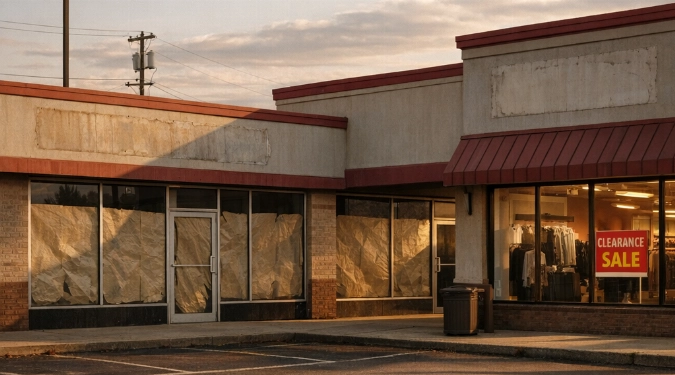
Walk through a half-full strip mall and you can feel it: familiar signs are coming down, sometimes without headlines. This look at US store chains quietly fading away in 2026 focuses on which retailers are shrinking their footprints, what that means for shoppers, and how to recognize a retail fade-out before your go-to stop becomes one of the vanishing stores.
What “Quietly Fading Away” Looks Like In 2026
Not every brand announces a dramatic bankruptcy. Many Disappearing Chains reduce locations in waves, trim store hours, stop carrying key categories, or shift to “store-within-a-store” arrangements. That slow pullback is often the earliest signal behind Store Closures 2026: less inventory, fewer employees on the floor, and more clearance endcaps that never seem to go away.
This Retail Fade-Out pattern is also tied to leases expiring and landlords reshuffling tenants. When renewals get more expensive or foot traffic drops, chains often choose quiet exits rather than costly remodels. For shoppers, it can feel like the End of an Era even when a website stays active.
Chains Most Often Cited As Shrinking Footprints
Based on widely reported reductions over the last few years and the ongoing pressure on mid-market retailers, these are the names most often discussed in 2026 store conversations. The point isn’t certainty about any single storefront, it’s understanding Chain Store Trends that tend to precede closures.
- Rite Aid: After major restructuring and widespread location reductions, many markets continue to see pharmacies consolidated, especially where stores are clustered closely.
- CVS and Walgreens: Both have publicly discussed right-sizing their footprints, so some neighborhoods may see overlapping locations combined into fewer, higher-volume stores.
- Big Lots: Discount home and closeout retail can be sensitive to freight costs and inventory swings, leading to uneven regional performance and selective exits.
- The Container Store: Specialty retail faces pressure when shoppers move organizing purchases online, and some stores may be evaluated against high rent and slower traffic.
- Express: Mall-based apparel has been under sustained pressure, and store counts can change quickly after ownership transitions or strategy shifts.
- GameStop: As digital downloads grow, some stores may remain as collectibles hubs while other locations quietly close when leases end.
- Party City: Post-restructuring footprints can continue to fluctuate, especially in areas where seasonal sales no longer cover year-round overhead.
Why The Retail “Fade-Out” Keeps Happening
The Retail Apocalypse narrative is often oversimplified, but several forces repeatedly show up in closure patterns: higher borrowing costs, theft and security spending, and shoppers shifting routine purchases to delivery. On top of that, national chains that expanded aggressively in the 1990s and 2000s are still unwinding older real estate decisions today.
Another driver is the “hybrid” Future of Retail: buy-online-pickup-in-store, ship-from-store, and smaller-format locations. Chains that can’t profitably execute those models often downsize first, then concentrate on a smaller set of stronger stores.
How To Spot A Store That May Be Next
If you’re trying to make sense of 2026 Store Predictions, look for practical indicators rather than rumors. A single clearance rack is normal; constant discounting across core categories is different. Reduced brand variety, closed fitting rooms, or locked cases expanding into everyday aisles can also signal operational stress.
Also watch for local clustering: when two locations serve the same trade area, the weaker one is often the first to go. That’s how Vanishing Stores can happen “quietly,” with a simple sign on the door after a lease decision.
What To Do If Your Go-To Chain Is Shrinking
Start by mapping alternatives now: independent pharmacies, grocery-based pharmacies, and regional discount stores can fill gaps. If you rely on a specific chain for prescriptions or returns, set up account access to transfer records and track receipts digitally so you’re not scrambling later.
If a location is liquidating, approach Last Chance Deals as information, not urgency. Clearance can be worthwhile for non-perishables and basics you already use, but check return policies, warranty coverage, and whether gift cards are still accepted before purchasing.
Quick Comparison: What Closures Change For Shoppers
| Area Affected | What Often Changes First | What Helps |
|---|---|---|
| Pharmacy access | Shorter hours, longer lines | Transfer-ready records, backup pharmacy option |
| Apparel returns | Fewer staffed registers | Keep digital receipts, know final-sale rules |
| Home/seasonal bargains | Inconsistent inventory | Price tracking, focus on essentials you’d buy anyway |
FAQ
Are These Chains Definitely Closing Everywhere In 2026?
No. Store counts often change market by market. This article highlights brands frequently discussed as shrinking and explains the common signals behind Store Closures 2026, not a promise that every location will close.
Why Do Some Stores Close While The Website Still Operates?
E-commerce can remain profitable even if certain leases don’t. Many Disappearing Chains keep online sales, reduce physical locations, and turn remaining stores into pickup/return hubs.
How Can I Tell If A Clearance Sale Is “Real”?
Look for storewide category markdowns, fixtures being sold, and signage about lease expiration or liquidation partners. Treat Last Chance Deals as a chance to save on planned purchases, not a reason to buy unfamiliar products.
What Replaces A Closed Chain Store Most Often?
Common replacements include off-price retailers (like TJ Maxx or Ross Dress for Less), grocery concepts, fitness studios, and local service businesses. This shift is part of broader Chain Store Trends and the evolving Future of Retail.
Conclusion
US store chains quietly fading away in 2026 isn’t one single event, it’s a pattern: selective closures, smaller footprints, and a steady pullback that can surprise shoppers who don’t see it coming. By watching the signals, planning backups, and treating liquidation pricing carefully, you can adapt to the Retail Fade-Out without losing convenience or overspending.
Disclaimer: The information provided in this article is for educational and informational purposes only. It does not constitute professional advice. Readers should conduct their own research and consult with qualified professionals before making any decisions.