Understanding Licensed Practical Nursing Career Paths
Licensed Practical Nurses are an essential part of the United States healthcare system, delivering direct patient care in many different medical environments. If you are thinking about pursuing this profession or simply want to learn how an LPN career can develop over time, understanding the responsibilities of the role, the skills it requires, and the opportunities it can open up provides a strong foundation for exploring this career path.
What Is a Licensed Practical Nurse?
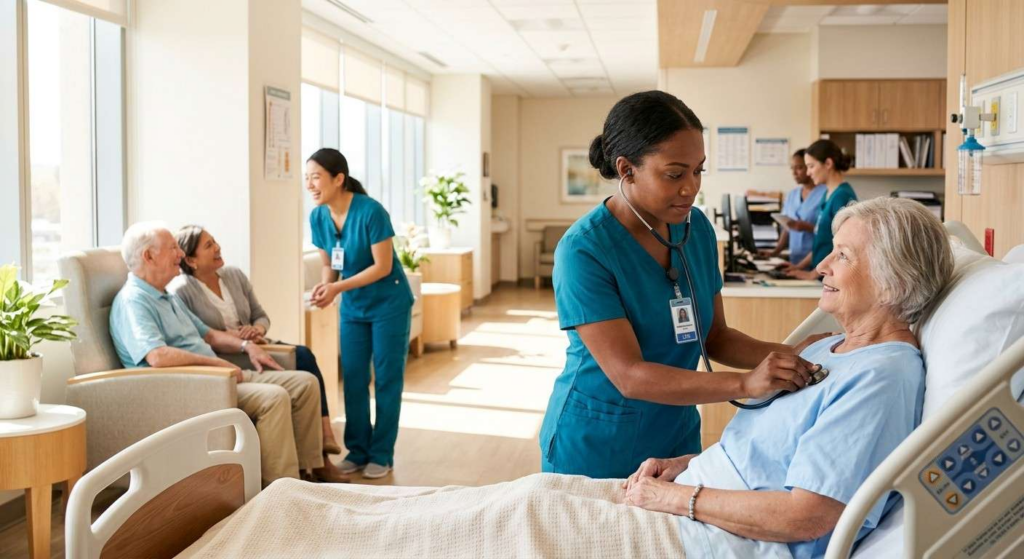
A Licensed Practical Nurse, often called an LPN, is a healthcare provider who delivers basic nursing care while working under the direction of registered nurses (RNs) and physicians. Their responsibilities include monitoring vital signs, administering medications, changing wound dressings, and reporting updates on patient conditions to the larger healthcare team. Depending on state regulations and the type of healthcare facility, an LPN’s scope of practice may be broader in certain situations.
Overview of the LPN Profession
Within the healthcare workforce, the LPN role occupies an important position. LPNs commonly work in nursing homes, long-term care facilities, hospitals, physician offices, home health agencies, and rehabilitation centers. The U.S. Bureau of Labor Statistics projects steady employment growth for LPNs, largely due to an aging population and rising healthcare demands in communities across the country. The profession is frequently viewed as a cornerstone of everyday patient care, especially in long-term care and residential healthcare settings.
Skills Used in Practical Nursing
Working as a practical nurse calls for both technical expertise and strong interpersonal skills. Clinically, LPNs need to be capable of measuring and documenting vital signs, providing basic wound treatment, inserting catheters, and gathering specimens for laboratory analysis. Just as essential are communication skills, empathy, careful attention to detail, and the ability to stay composed in high-pressure situations. Effective time management is equally important because LPNs often coordinate care for several patients at once. Strong critical thinking also contributes to safe patient care by helping nurses recognize changes in a patient’s condition that should be escalated.
Education and Training Requirements
To become an LPN in the United States, individuals must complete a state-approved practical nursing program, which generally requires about one year of study. These programs are available through community colleges, vocational schools, and certain hospitals. Students complete coursework in areas such as anatomy, physiology, nutrition, pharmacology, and nursing fundamentals while also participating in supervised clinical training. After finishing the program, graduates must successfully pass the NCLEX-PN national licensure examination to obtain their license. Because licensing requirements can differ from one state to another, reviewing the guidelines established by the licensing board in the state where you plan to practice is important.
Career Paths After Becoming an LPN
One of the strongest advantages of becoming an LPN is the wide range of career opportunities available over time. Many LPNs decide to focus on specialties including gerontology, pediatrics, or rehabilitation. Others continue their education through bridge programs such as LPN-to-RN or LPN-to-BSN pathways, enabling them to become Registered Nurses without beginning their education from the start. Some advance into charge nurse or supervisory positions within long-term care facilities, while others move into healthcare education, case management, or insurance review roles. The practical clinical experience earned as an LPN is widely applicable and highly respected throughout the healthcare profession.
Below is a general overview of common LPN career advancement options and associated education pathways:
| Career Path | Typical Next Step | Key Requirement |
|---|---|---|
| LPN in Long-Term Care | Charge Nurse or Supervisor | Experience and facility promotion |
| LPN to Registered Nurse | LPN-to-RN Bridge Program | Accredited nursing program + NCLEX-RN |
| LPN to BSN | LPN-to-BSN Program | Bachelor-level nursing curriculum |
| LPN in Home Health | Home Health Specialist | State certification may apply |
| LPN in Education Support | Clinical Instructor Assistant | Additional training or degree |
Note: Career advancement timelines, program availability, and requirements vary by state and institution. Independent research is advised before making career or educational decisions.
The LPN profession provides a well-defined entry into healthcare while offering meaningful opportunities for long-term career development. Whether someone plans to remain at the LPN level throughout their career or use the position as a stepping stone toward advanced nursing credentials, there are established pathways supported by educational institutions across the United States. Gaining a clear understanding of the responsibilities and career possibilities associated with this role helps create realistic, informed expectations for anyone considering this profession.