
Understanding Fence Evolution: Modern Alternatives to White Plastic
White plastic fences can look harsh, yellow over time, and clash with updated landscaping. If you want privacy, curb appeal, or better durability, the choices can feel endless. This article is for homeowners comparing materials, styles, and upkeep before committing to a new fence.
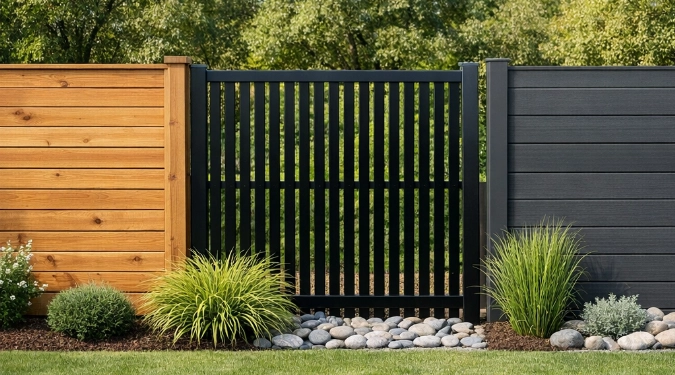
Skip the white plastic playbook. This guide shows modern fence materials that look better, last longer, and fit real budgets. You’ll learn what each option costs, where it works best, and what to ask an installer so the result stays straight and solid.
Why White Plastic Fell Out Of Favor
White vinyl still wins on low maintenance. The look is the issue. It can read “builder grade,” and it stains around sprinklers. It also gets brittle in deep cold. Cheaper panels can warp in heat. Many people now want texture, matte finishes, and mixed materials.
Six Alternatives People Choose Instead
Composite Boards
Composite fencing uses recycled wood fibers and plastics. It looks like wood but resists rot. Brands to compare include Trex Fencing, FIBERON, TimberTech, MoistureShield, Eva-Last, and Envision. Expect about $35 to $60 per linear foot installed.
Horizontal Cedar Or Redwood
Horizontal boards give a clean, modern line. Cedar and redwood age well and smell great. Plan on sealing every 2 to 4 years. Installed cost usually lands at $40 to $80 per linear foot.
Powder-Coated Aluminum
Aluminum gives a crisp, thin profile. It will not rust like steel. It works well around pools and sloped yards. Look at suppliers like Ameristar, Alumi-Guard, Ultra Aluminum, Jerith, and Fortress. Installed cost is often $30 to $55 per linear foot.
Corrugated Metal With Wood Frame
This is the “modern farmhouse” favorite. Use galvanized or painted panels inside a wood frame. It blocks wind without feeling heavy. It can get noisy in hail, so panel gauge matters. Expect $35 to $70 per linear foot installed.
Gabion Walls
Gabions are wire baskets filled with stone. They are great for noise reduction and slope control. They need space, since they are thick. They can also require engineering near property lines. Budget $60 to $120 per linear foot installed.
Living Fences
A hedge can be your fence, or it can soften one. Popular choices include arborvitae ‘Green Giant,’ American holly, and clumping bamboo varieties. You must plan for watering and trimming. Costs vary by plant size, but $15 to $60 per plant is common.
A Quick Fit Guide For Your Yard
Composite works best when you want wood look without staining. Cedar works best when you like natural aging and can maintain it. Aluminum is the easiest “install and forget” option. Corrugated metal is best for privacy in windy areas. Gabions shine near roads and hillsides. Living fences reward patience and steady care.
What To Ask Before You Sign A Fence Contract
Ask what post size and depth they use. For most privacy fences, 4×4 posts are the minimum. Ask if they set posts in concrete or use steel post anchors. Ask how they handle grade changes on slopes. Ask the exact finish system for metal and aluminum. “Powder coat” should include a warranty term. Ask for the panel brand and model, not just “composite.”
Design Details That Make Any Fence Look Expensive
Use a matte black frame with warm wood infill. Keep reveals consistent between boards. Cap posts with low-profile metal caps. Match gate hardware finishes across the yard. For privacy, add a 1 to 2 inch bottom gap for airflow. It reduces warp and mildew.
Maintenance Reality Check
Composite needs rinsing and occasional soap. Cedar needs cleaning and resealing. Aluminum needs a hose and a quick hardware check. Corrugated panels need fastener checks after storms. Gabions need weed control at the base. Living fences need irrigation planning and a pruning schedule.
Frequently Asked Questions
Are composite fences more expensive than traditional plastic fences? Yes, high-quality composite fencing from brands like Trex generally requires a higher upfront investment than standard hollow vinyl fencing.
Do I need special permission to install a horizontal wood fence? If you live in a neighborhood governed by a Homeowners Association (HOA), you must check your specific architectural guidelines before building. Some strict HOAs only allow traditional vertical dog-ear or shadowbox styles, while others have updated their rules to embrace modern horizontal designs.
How long does a cedar fence last compared to a plastic one? A well-maintained Western Red Cedar fence can easily last 15 to 20 years, or even longer if it is regularly treated with a high-quality protective oil or stain.
References
- Trex Fencing
- Fortress Building Products
- Ameristar Fence Products
- FIBERON
Disclaimer: The information provided in this article is for educational and informational purposes only. It does not constitute professional advice. Readers should conduct their own research and consult with qualified professionals before making any decisions.