
Understanding Emergency Senior Housing Assistance Programs
Emergency senior housing assistance programs can help older adults stabilize quickly after an eviction notice, unsafe living conditions, or a sudden loss of housing. This article explains the main types of emergency help—rent and utility prevention funds, temporary shelter placements, and pathways into senior-designated affordable housing—plus what documents to gather and a practical triage plan to follow over the next two days. You’ll also see how these resources commonly connect to longer-term options like income-based senior rentals and voucher programs.
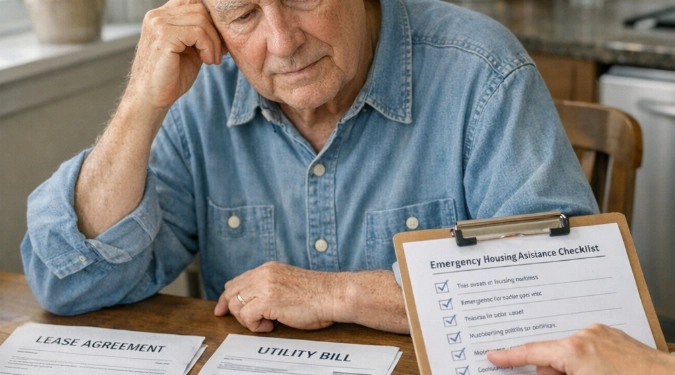
When housing becomes unstable, the hardest part is often not knowing what help exists—or what to do first. Emergency senior housing assistance programs can create a bridge from crisis to stability, especially for people living on Social Security or a fixed income and trying to stay safely housed.
What “Emergency Housing Assistance” Means For Seniors
Emergency assistance usually refers to short-notice help that prevents homelessness or quickly restores safe housing. That can include stopping an eviction, paying a past-due utility bill to keep heat on, covering a security deposit, or placing someone in temporary shelter while longer-term housing is arranged.
Because programs have different rules and waitlists, “emergency” often means you may need to contact multiple resources at the same time—local aging services, housing agencies, and nonprofits—so at least one path moves forward quickly.
The Core Programs That Can Help In A Housing Crisis
Area Agencies On Aging And Aging & Disability Resource Centers
These agencies are designed to triage urgent senior needs. They can connect you to local emergency funds, case managers, legal aid for eviction prevention, and placement options. If you’ve searched “places that help with immediate housing near me,” these are often the behind-the-scenes coordinators who know which partners have openings today.
Emergency Rental Help And Homelessness Prevention
Many communities use prevention funds to cover rent arrears, late fees, or short-term rent. Availability varies by county and funding cycles, but these programs typically require proof of income, a lease, and notice of eviction or arrears. A housing counselor or senior services caseworker can help prioritize the fastest option.
Public Housing And Housing Choice Vouchers
Local public housing authorities manage public housing and Housing Choice Vouchers. These are not always “instant,” but some agencies maintain preferences for older adults, people with disabilities, or those at risk of homelessness. Ask whether emergency or priority status is available and what documentation is needed.
Low-Income Home Energy And Weatherization Help
Keeping utilities on is a housing stability issue. If a shutoff notice could make your home unsafe, ask about energy assistance and weatherization programs that may cover past-due bills or reduce future costs by improving insulation and heating efficiency.
Common Senior Housing Options These Programs Lead To
Emergency programs often connect seniors to a “next-step” housing option that is sustainable long term. That may include subsidized senior buildings, shared housing, or income-based apartments with supportive services.
For those specifically seeking 62 and older apartments, the pipeline is often: crisis support first (to stay safe), then an application package for senior-designated affordable housing as units open. If you’re comparing rentals for seniors on fixed income, ask whether rent is income-based, whether utilities are included, and what recertification looks like each year.
What To Prepare Before You Reach Out
Having documents ready can speed up referrals and prevent repeated delays. If you can, gather a photo ID, Social Security award letter, recent bank statement, lease or proof of residence, any eviction notice, and utility shutoff notices. If you are searching “housing for seniors on social security near me,” most screeners will start by confirming income and current housing risk level.
If you don’t have paperwork, still call—caseworkers can often help you replace documents or use alternative verification, but it may take extra time.
A Simple Triage Plan For The Next 48 Hours
- Call local senior services or an Aging and Disability Resource Center and describe the immediate risk (eviction date, unsafe conditions, no power, or no place to sleep).
- Contact your public housing authority to ask about senior preferences, emergency status, and which applications are currently open.
- Ask community nonprofits about short-term rent, deposit, motel vouchers, or rapid rehousing for older adults.
- If eviction is involved, request legal aid or tenant counseling; a brief delay or negotiated payment plan can sometimes prevent displacement.
Quick Comparison Of Help Types
| Type Of Assistance | What It Typically Covers | Best Use In A Crisis |
|---|---|---|
| Eviction Prevention Funds | Back rent, fees, sometimes a month forward | Stopping a lockout or court-ordered move |
| Utility Assistance | Past-due heating/electric bills, reconnection | Keeping the home safe and habitable |
| Temporary Shelter Or Motel Placement | Short stay while housing is arranged | Same-day safety when housing is lost |
| Senior Subsidized Housing | Income-based rent in age-designated units | Long-term stability after the emergency |
FAQs About Emergency Senior Housing Assistance
Can Social Security Income Qualify For Emergency Help?
Yes. Many programs expect fixed incomes and use them to calculate eligibility. You may still qualify even if you have some savings, depending on local rules and the specific program.
What If I Need Housing Quickly But Vouchers Have Waitlists?
Ask about priority categories, short-term prevention funds, and temporary placements while you remain on a list. A case manager can also help you apply to multiple senior buildings at once to increase the chance of a faster opening.
Do Senior Buildings Require A Minimum Age?
Many senior-designated communities start at age sixty-two, though some buildings serve people fifty-five and older. Each property sets its own rules, so confirm age thresholds, income limits, and accessibility features.
What If I’m Staying With Family Or Couch Surfing?
That can still count as housing instability for certain programs. Share your full situation, including safety concerns, overcrowding, or risk of losing that temporary place to stay, so screeners can route you correctly.
Conclusion
Understanding emergency senior housing assistance programs means knowing which resources stabilize today’s crisis and which ones build tomorrow’s housing plan. When you combine immediate prevention help, informed applications for senior housing, and a clear document set, you improve the odds of moving from uncertainty to stable housing.
Disclaimer: The information provided in this article is for educational and informational purposes only. It does not constitute professional advice. Readers should conduct their own research and consult with qualified professionals before making any decisions.