Understanding Certified Electrical Services and Safety Rules
Electrical work gets confusing fast: permits, code terms, breaker types, and contractor claims. Homeowners and managers often need safe fixes without overpaying or risking a failed inspection. This article helps you spot red flags, ask better questions, and plan upgrades that won’t create hidden hazards later.
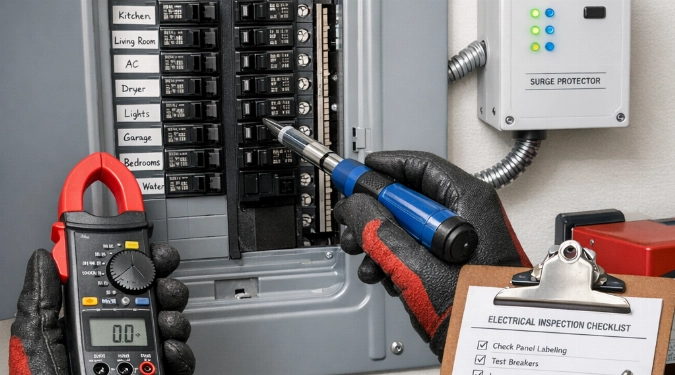
You’ll learn what “certified” should mean on an electrical job, and how to verify it. You’ll get a room-by-room checklist for hazards, permits, and safe upgrades. You’ll also learn which projects are realistic DIY, and which ones belong in a licensed pro’s hands.
What “Certified” Should Mean On Your Invoice
A serious electrician can explain their license class and insurance. They can also name the code they follow. In most areas, that is NFPA 70, also called the National Electrical Code.
Ask for three proofs before work starts. Get a license number, a certificate of insurance, and a written scope. The scope should list model numbers for major parts.
Good pros document torque specs and test results. They often use tools from Fluke, Klein Tools, Milwaukee, Greenlee, Ideal, and Megger.
How To Vet A Contractor In Ten Minutes
Use your state licensing board site to confirm status. Verify the name matches the quote.
Ask who pulls the permit. If they say you should, treat that as a red flag.
Request a load calculation for big upgrades. It should mention service size, demand, and panel capacity.
Get a start date, an inspection plan, and cleanup details. Put change-order pricing in writing.
Safety Rules That Actually Change The Work
GFCI and AFCI rules affect many remodels. They change breaker choice and wiring methods.
Dedicated circuits matter for kitchens, laundry, and garages. They reduce nuisance trips and heat at terminals.
Bonding and grounding are not the same thing. Bonding ties metal parts together. Grounding gives fault current a controlled path.
Working clearances are enforced during inspections. Panels usually need a clear working space in front.
Common Services And What A Pro Checks
Residential Repairs And Add-Ons
Residential electrical repair and installation solutions often start with a symptom log. Bring notes about when a problem occurs. Mention odors, buzzing, or warm plates.
Panel And Breaker Upgrades
Circuit breaker and panel upgrade services should include a service entrance check. A pro confirms conductor size and meter base condition. They also verify neutral and ground separation.
Lighting Work
Lighting installation and maintenance solutions should address heat and dimmer compatibility. LEDs may flicker with older TRIAC dimmers. A pro may specify Lutron or Leviton dimmers.
Wiring Checks
Electrical wiring inspection and troubleshooting often uses three tests. They check voltage drop, insulation resistance, and circuit mapping. They also open a few boxes to verify splices.
Surge Defense
Surge protection installation services usually combine two layers. One is a whole-panel device. The other is point-of-use strips for sensitive loads.
Smart Devices
Smart home electrical system installation must account for neutrals in switch boxes. Many smart switches need one. A pro also checks Wi‑Fi strength and hub location.
Business Properties
Commercial electrical maintenance solutions often focus on heat, vibration, and downtime. Thermography, torque checks, and preventive replacement matter most.
Backup Power
Generator installation and repair services should start with fuel and load planning. A transfer switch choice is key. Many installs use ATS units from Generac or Eaton.
Inspection Programs
Safety inspections for electrical systems should include a written defect list. It should also include photos and a priority ranking.
Exterior Circuits
Outdoor and landscape lighting installation solutions should mention wet-location ratings. They also require burial depth and conduit choices.
A Practical Walkthrough For Your Home
Start at the panel. Check for rust, missing knockouts, and double-tapped breakers. Label any unknown circuits with painter’s tape.
Walk outlets and switches next. Test GFCIs with their built-in button. Note any hot faceplates, loose plugs, or flickering lights.
Check high-load appliances. Look for damaged cords and scorched receptacles. Confirm dryers and ranges are on correct breaker sizes.
Finish in attics, basements, and garages. Look for open junction boxes and unsupported cables. Take photos for your electrician.
Typical Price Bands For Common Jobs
Prices vary by access and permit needs. A service call plus diagnosis often runs $125 to $250. A panel surge device is often $300 to $700 installed.
A new 15- or 20-amp circuit is often $250 to $800. A panel upgrade commonly lands at $1,800 to $4,500. A standby generator install can run $6,000 to $15,000.
What To Do Next
Write a one-page scope with your must-haves. Add photo notes from your walkthrough.
Get two quotes that list brands and model numbers. Ask for permit details and inspection timing.
Keep your paperwork. Save invoices, photos, and panel schedules for future work.
FAQs
Can I Replace A Breaker Myself?
Some areas allow owners to work on their own property. Risk stays high because the service conductors remain energized. An electrician can also spot bus damage that a DIYer may miss.
Why Do Lights Flicker With LEDs?
Flicker often comes from dimmer mismatch or loose neutrals. A pro checks the neutral bar torque and switch box connections. They may change to an LED-rated dimmer.
Do I Need A Whole-Home Surge Protector If I Have Power Strips?
They do different jobs. The panel device clips big spikes before they spread. The strip handles smaller, local surges near electronics.
What Should An Inspection Report Include?
Look for circuit IDs, photo evidence, and test results. The report should separate safety defects from upgrades. It should also list the code section when possible.
How Do I Know If My Panel Is Overloaded?
Watch for frequent trips during normal use. Also look for warm breakers and dimming when motors start. An electrician can measure demand and compare it to service capacity.
What’s The Safest Way To Add Outdoor Power?
Plan a dedicated GFCI-protected circuit. Use wet-location boxes and correct burial depth. An electrician can choose conduit and fittings rated for sunlight.
Disclaimer: The information provided in this article is for educational and informational purposes only. It does not constitute professional advice. Readers should conduct their own research and consult with qualified professionals before making any decisions.