
Thinking of Dropping Cable? Simple Ways to Replace It
Many households are currently thinking of dropping cable. If you want to transition away from traditional television but keep your favorite shows, learning simple ways to replace it is the first step. This process involves evaluating different platforms to find the best streaming options that work for your specific household needs. By understanding how modern digital delivery operates, you can easily transition to viewing live tv over internet connections without losing access to necessary daily entertainment. This overview provides a clear cutting the cord guide to help you transition smoothly and confidently.
Understanding How to Replace Cable TV
Replacing traditional television service requires a stable internet connection and a compatible viewing device. When you decide to replace cable tv, you shift from receiving broadcast signals through a physical coaxial wire to receiving digital data through your home internet network. Consumers frequently seek the Cheapest Way to Get Cable and Internet Service by comparing local internet service providers and unbundling their television packages entirely. By securing a fast, reliable internet connection first, you establish the strong foundation needed to support any modern cable alternative 2025 has to offer.
Exploring the Best Streaming Options for Your Household
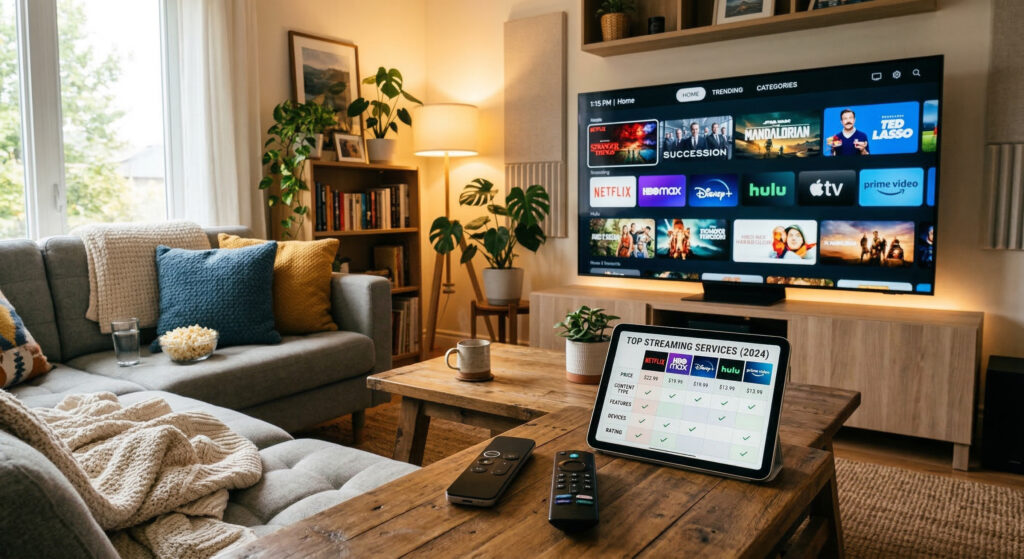
Once your internet network is secure, selecting the right digital platforms is the next crucial step. The market offers a wide variety of on-demand platforms, such as Netflix, Hulu, and Amazon Prime Video. These services provide vast libraries of movies, documentaries, and television shows. To choose the best streaming options, households should identify their absolute must-watch programs. Some platforms specialize in exclusive original series, while others focus heavily on family-friendly content or historical programming. Reviewing the content libraries of each specific service helps ensure you only select the programming your family actually watches regularly.
How to Stream Live TV and Local Channels
A major concern for many families when dropping traditional service is losing access to local news and live daily broadcasts. Learning how to stream live tv is straightforward with targeted services like YouTube TV, Sling TV, or Hulu + Live TV. These platforms intentionally replicate the traditional television experience by offering grid-based guides and live network feeds. Viewing live tv over internet connections typically requires a higher internet speed to prevent visual buffering. Additionally, consumers can often capture local broadcast networks using a simple digital antenna connected directly to their television set, providing a reliable, cost-free backup for regional news and weather updates.
Solutions to Stream Sports Without Cable
Sports fans often hesitate to transition away from traditional bundles due to the complexity of regional broadcasting rights. However, it is entirely possible to stream sports without cable using targeted digital applications. Many major professional sports leagues now offer direct-to-consumer digital subscriptions for out-of-market games. Additionally, platforms like ESPN+ and Peacock provide exclusive access to specific games, tournaments, and sporting events. When evaluating a new cable alternative 2025 provides, sports enthusiasts should meticulously verify which digital platforms carry their preferred regional sports networks or national broadcast rights before committing to a monthly plan.
Comparing Hardware: Roku vs Firestick
To access these digital platforms on a standard television set, viewers need a dedicated streaming device. A common comparison among consumers is roku vs firestick. Both devices plug directly into a television’s HDMI port and connect wirelessly to the home internet network. Roku is widely recognized for its simple, straightforward grid interface that is typically very easy for older adults and children to navigate. Amazon’s Firestick integrates seamlessly with other smart home devices and features robust voice search capabilities. Both options support almost all major viewing applications, so the final choice generally depends on personal preference regarding menu navigation styles and smart home integration.
Evaluating the Monthly Cost of Streaming Services
Understanding the financial aspect is critical when making this transition away from traditional bundles. The monthly cost streaming services charge varies widely based on the specific features provided. On-demand libraries typically feature a monthly rate between eight and twenty, while comprehensive live television platforms often range from forty to eighty monthly. To effectively manage these costs, households should dynamically rotate their subscriptions, canceling one service and activating another based on which shows are currently releasing new episodes. This educational approach to budgeting helps maintain entertainment variety while keeping overall monthly expenses lower than a traditional bundled television package.
Frequently Asked Questions
Is it difficult to set up a new streaming device? Setting up a device like a Roku or Firestick typically involves simply plugging the device into the television’s HDMI port, connecting it to the home wireless network via an on-screen menu, and following the prompts to log into your chosen platforms.
Can I watch local channels without an internet connection? Yes, installing an indoor or outdoor digital antenna allows households to receive over-the-air broadcasts from local networks entirely free of charge, without requiring any internet connection or monthly subscription.
Do I need a modern smart television to use these digital services? You do not strictly need a modern smart television. Any standard television equipped with a working HDMI port can be easily converted into a smart device by attaching an external streaming stick or box.
Conclusion
Thinking of dropping cable involves making informed choices, but it does not mean sacrificing your favorite entertainment. By securing a reliable internet connection, choosing the right viewing hardware, and strategically selecting digital platforms, you can replace your traditional setup easily. Understanding the typical monthly costs and learning how to access live broadcasts ensures a smooth transition to modern viewing methods. By following these practical steps, any household can build a customized, highly flexible home entertainment system.
Disclaimer: The information provided in this article is for educational and informational purposes only. It does not constitute professional advice. Readers should conduct their own research and consult with qualified professionals before making any decisions.