Things Homeowners Should Know About Basement Waterproofing
Basement moisture is easy to ignore until the smell, stains, or puddles show up. Homeowners often get conflicting advice from inspectors, contractors, and neighbors. This article helps you sort real causes from quick fixes, so you can choose repairs that protect storage, finishes, and resale value.
Stop guessing why your basement gets wet. This guide shows how to trace the entry point, pick the right fix, and avoid wasted money. You’ll learn the key inspection clues, the order of repairs, and which products fit which crack or seam.
What The Water Pattern Tells You
Seam Leaks
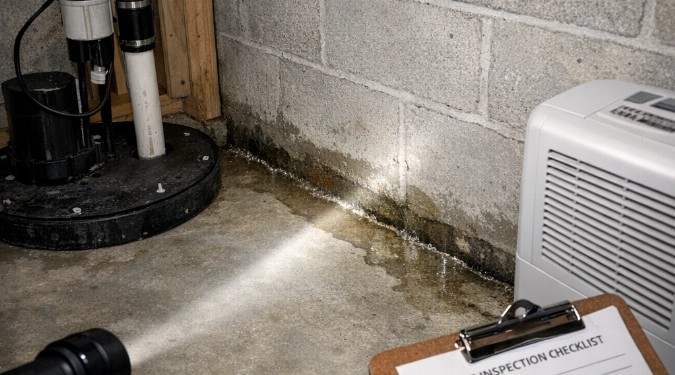
Water leaking between wall and foundation often shows up as a thin line at the cove joint. That joint is where the wall meets the slab. Hydrostatic pressure pushes water through weak mortar or shrinkage gaps. Paint or patching on the inside rarely lasts.
Wall Leaks
Vertical streaks on a wall usually tie to a crack, a form-tie hole, or porous block. Efflorescence is a white, salty crust. It marks repeated wetting and drying. Moldy odors can happen even without visible puddles.
Floor-Only Water
Water that appears in the middle of the slab can be condensation or a rising water table. Look for sweating pipes first. Then check a dehumidifier bucket rate. Also note if the problem starts after long rains.
Fast Checks Before You Call Anyone
- Gutters: Clear them and extend downspouts at least 6 to 10 feet.
- Grading: Soil should slope away about 1 inch per foot for 6 feet.
- Window wells: Confirm drains are open and covers shed water.
- Sump: Test the float and the check valve. Add a battery backup if outages happen.
- Plumbing: Rule out a water heater, softener, or washer drain leak.
How Pros Approach Basement Leak Repair
Good contractors start outside. They look for roof runoff dumps and low spots near the footing. They may run a hose test on a suspect corner. They also use a moisture meter on block walls.
Interior repairs focus on relieving pressure, not trapping it. That is why interior drains and sump systems can work well. Exterior waterproofing focuses on blocking water before it reaches the wall. The best plan depends on access and soil conditions.
Choosing The Right Fix For Your Problem
Cracks In Poured Concrete
For isolated cracks, injection is common. Polyurethane foam handles active seepage. Epoxy is stiffer and bonds well. Brands often used include Sika, Simpson Strong-Tie, Emecole, RadonSeal, Drylok Fast Plug, and Xypex products.
Block Walls That “Weep”
Hollow block can fill with water. Interior drainage at the wall base often reduces leaks. A wall coating can help, but only after drainage is addressed. A damp-proof paint alone is not a system.
The Cove Joint
Homeowners ask about a seal between basement wall and floor. That seam moves and gets pressure. A professional may install an interior perimeter drain. Some use a cove joint membrane that channels water to a sump.
Exterior Sealants And Coatings That Actually Fit The Job
A waterproof sealant for exterior walls is usually part of an excavation scope. Common options include rubberized asphalt, polymer-modified bitumen, and sheet membranes. Look for products rated for below-grade use. Interior wall coatings are different.
If you need a waterproof sealant for walls indoors, pick one meant for negative-side pressure. Cementitious coatings can handle damp masonry. They still need sound surfaces and cleaned pores.
Water Removal: Do This Before Repairs
Water removal from basement starts with safety. Shut off power to wet areas. Pump standing water in stages to reduce slab stress. Then run fans and a dehumidifier for several days. Bag and discard soaked insulation and cardboard.
Cost Reality And The “Cheapest” Option
The cheapest way to waterproof a basement is usually fixing drainage first. Extensions, grading, and gutter work often run $150 to $1,500. Crack injection commonly costs $400 to $1,200 per crack. Interior drain tile with a sump is often $3,500 to $12,000. Full exterior excavation and membrane work can land at $8,000 to $25,000.
Affordable basement solutions are the ones that match the failure point. Paying for a coating when you need drainage is wasted money.
What To Watch During A Basement Inspection
For a home inspection basement walkthrough, bring a flashlight and look behind storage. Check the sill plate for staining. Look for fresh paint bands at the bottom of walls. Ask where the sump discharges. Confirm the discharge is not aimed back at the foundation.
When To Call A Specialist
Call help if water rises quickly, a wall bows, or cracks widen. Also call if you see sewage backups. Ask for a written scope, not just a quote. Get clarity on discharge routing, warranties, and maintenance.
FAQ
Do interior systems hide problems?
Interior drains manage water that already reached the wall. They do not fix exterior grading. They can still be a solid basement leak solutions plan in tight access homes.
Can I waterproof from inside only?
Sometimes, yes, for isolated seepage and where exterior excavation is impossible. Expect maintenance and humidity control. Combine sealing with drainage and air management for better results.
What are sensible steps to waterproof a basement in order?
Start with roof runoff, grading, and downspouts. Next, fix cracks or joints tied to clear entry points. Then consider interior drainage or exterior waterproofing if water persists.
Disclaimer: The information provided in this article is for educational and informational purposes only. It does not constitute professional advice. Readers should conduct their own research and consult with qualified professionals before making any decisions.