The Science Behind Fruits That Support Memory
Picking fruit for “brain health” is confusing because headlines mix lab findings, small human trials, and marketing claims. If you want realistic choices you can keep up for weeks, you need to know which compounds matter, what studies actually measured, and how to shop and store fruit without wasting it.
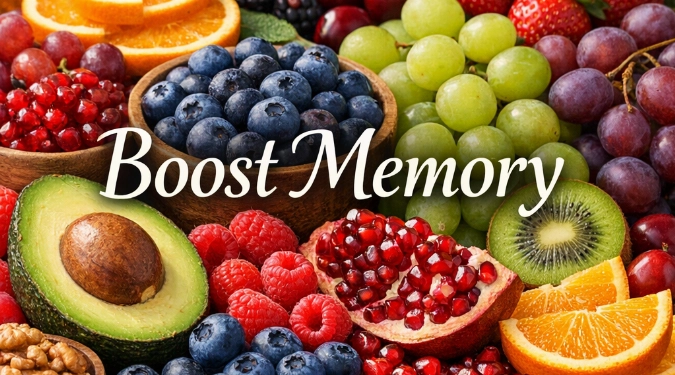
Know which fruit compounds map to memory pathways. Learn the exact fruits, why their polyphenols and vitamins matter, and what study designs actually tested them. Build a simple, repeatable weekly fruit plan. Use label and storage tips so nutrients survive your fridge and your routine.
What “Memory Support” Means In Research
Most studies measure specific skills, not “brain power.” Common tests include word-list recall, reaction time, and task switching. Some trials also track blood flow signals linked to attention. Many results are short-term changes after a dose. Fewer look at months of steady eating.
Look for three study types. First are randomized controlled trials in people. Second are cohort studies that track diets over years. Third are lab studies that explain mechanisms like inflammation and synaptic signaling.
Six Fruits With The Strongest Mechanism Fit
1) Blueberries
Blueberries are rich in anthocyanins. These pigments can cross the blood-brain barrier in small amounts. Research links them to neuronal signaling and oxidative stress control. Trials often use freeze-dried blueberry powder for standard dosing.
Action step: choose wild blueberries for a higher pigment load per gram. Use frozen berries for consistency year-round. Stir into yogurt, not hot oatmeal, to reduce heat exposure.
2) Strawberries
Strawberries deliver anthocyanins plus vitamin C. Observational work ties higher berry intake to slower cognitive aging patterns. The mechanism angle centers on antioxidant networks and vascular support. The fiber also steadies glucose swings that can fog focus.
Action step: slice and freeze ripe berries on a sheet pan. This reduces waste and keeps portions easy.
3) Grapes
Grapes contain polyphenols including resveratrol and flavanols. Human studies have tested grape juice and grape extracts. Findings often focus on blood flow and memory task performance. Whole grapes also add hydration and potassium.
Action step: pick darker grapes for higher polyphenol density. Rinse, dry, and store with a paper towel to slow mold.
4) Pomegranates
Pomegranates are high in ellagitannins. Gut microbes convert them into urolithins in some people. Those metabolites are studied for mitochondrial and anti-inflammatory effects. Small human studies have explored pomegranate juice and memory outcomes.
Action step: use 100% juice in small pours, not a large glass. Add it to sparkling water to keep sugar moderate.
5) Avocados
Avocados are a fruit with a different profile. They bring monounsaturated fat plus lutein. Lutein concentrates in brain tissue and is studied for cognitive roles. The fat also helps absorb carotenoids from meals.
Action step: pair avocado with leafy greens and eggs. This stacks fats with carotenoids and choline-rich foods.
6) Oranges
Oranges supply vitamin C and flavanones like hesperidin. Those compounds are studied for vascular function and inflammation. Since the brain is energy-hungry, circulation matters for attention and recall. Whole oranges also add fiber versus juice.
Action step: eat the whole fruit after meals. Choose easy-peel varieties for compliance on busy days.
How To Build A Weekly Fruit Pattern That Sticks
Aim for repeatable combinations, not perfect variety. Use a “two berries, two non-berries” rotation each week. Example: blueberries and strawberries, plus oranges and avocados. Add grapes or pomegranate on two extra days.
Keep portions simple. Use one cupped hand of berries or grapes. Use one orange, or half an avocado. Treat juice as an accent, not a base drink.
How To Shop And Store For Higher Nutrient Retention
Frozen berries are usually picked at peak ripeness. They can beat tired fresh fruit in polyphenol content. Avoid products with added sugar. Look for “unsweetened” on the bag.
For fresh berries, avoid rinsing until you eat them. Moisture speeds spoilage. For avocados, use the stem test. If the stem nub lifts easily and it is green, it is ready.
Reading The Fine Print On “Brain” Claims
Supplements and juices can cherry-pick study language. Prefer claims that name the tested food and the measured outcome. “Supports memory” is vague. “Improved word recall after 12 weeks” is specific.
Scientific Studies On Memory And Fruit often use standardized extracts. Whole-fruit effects can differ because fiber changes absorption. Use studies as direction, not a prescription.
Quick Checklist For Your Next Grocery Run
- Pick two frozen berry bags with no added sugar.
- Add one dark grape variety, or a small bottle of 100% pomegranate juice.
- Choose a bag of easy-peel oranges.
- Buy two avocados at different ripeness stages.
- Plan four “default” servings on your calendar.
These choices cover several Natural Memory Enhancers found in food. They also align with Fruits For Improving Cognitive Function research patterns. Many people call them the Best Fruits For Brain Health for a reason. The easiest start is consistent berry intake. Then Enhance Memory With Fruit by stacking variety over time.
FAQs That Save You Time
Are dried fruits useful for memory support?
Dried berries and cherries can retain polyphenols. They are also easy to overeat. Use a small closed handful and pair with nuts. Skip candy-like dried fruit with added sugar.
Does blending fruit change the benefits?
Blending keeps fiber, but it speeds eating. That can raise glycemic impact versus whole fruit. Use thicker smoothies and include protein like Greek yogurt. Keep juice-only blends as a rare choice.
Who should be cautious with high-polyphenol juices?
People managing blood sugar may need smaller portions. Some medications interact with grapefruit, not oranges. Ask a clinician if you take medicines with known food warnings.
References
- USDA FoodData Central.
- Harvard T.H. Chan School of Public Health, The Nutrition Source.
- NIH Office of Dietary Supplements, Vitamin C Fact Sheet.
- Alzheimer’s Association, Risk factors and lifestyle guidance.
Disclaimer: The information provided in this article is for educational and informational purposes only. It does not constitute professional advice. Readers should conduct their own research and consult with qualified professionals before making any decisions.