
The Internet Plans More Seniors Are Switching To In 2026
Internet bills can climb fast after promos end, and plan terms are often confusing. Seniors often want a stable price, easy setup, and support that answers the phone. If you’re searching for the best internet plans for seniors, this guide helps you compare real 2026 plan options, plus ways to cut costs without losing reliability.
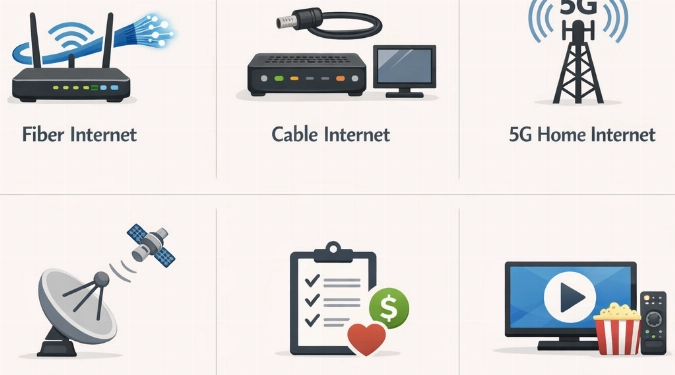
Pick a plan that fits how you actually use the internet. This guide shows six real options seniors are choosing in 2026. You’ll learn what each plan costs, who qualifies, and which questions to ask before you switch providers fast.
What Seniors Want From Internet In 2026
- One flat price, or a clear promo end date.
- Enough speed for video calls and streaming, not bragging rights.
- No surprise modem rental.
- Easy canceling, or month to month terms.
- Simple support that works without long holds.
The Six Plans Seniors Switch To Most
Verizon 5G Home Internet
Best for apartments and smaller homes. Typical pricing lands around $50 to $80 per month. Speeds vary by signal and congestion. It uses a plug in gateway, so there is no technician visit in many cases.
T-Mobile 5G Home Internet
Best for homes without fiber access. Pricing is commonly $50 to $70 per month with taxes included in many plans. Setup is self install. Try it where you will use it, not near a window only.
Xfinity Internet Essentials And Essentials Plus
Best for fixed income households that qualify. Essentials is often around $9.95 per month. Essentials Plus is often around $29.95 per month. It is one of the most popular senior internet discounts programs available today.
Spectrum Internet Assist
Best where Spectrum is the only wired option. Pricing is commonly around $25 per month for eligible households. Equipment fees can change the final bill. Ask what is included before you enroll.
AT&T Fiber
Best for steady video calls and smart home devices. Many areas see plans from about $55 to $80 per month for entry tiers. Fiber tends to keep speed stable at peak hours. Availability is the catch.
Starlink Residential
Best for rural homes and remote living. Typical costs are about $90 to $120 per month plus hardware. Hardware is often around $349 to $599 depending on offers. It needs a clear view of the sky.
A Simple Picking Rule That Works
Start with your home type. Apartments often do well with 5G home internet. Larger homes with many devices do better on fiber. Remote areas usually need satellite.
Then match the speed to the task. One or two people streaming and video calling often fit well in the 100 to 300 Mbps range. Heavy uploading and multiple 4K streams benefit from higher tiers.
This checklist helps avoid overbuying. It also helps you avoid slow plans that feel fine on paper when looking for affordable wifi for seniors.
Five Questions To Ask Before You Switch
- What is the all in monthly bill after promos end.
- Is autopay required for the best price.
- Is there a modem or gateway fee, and can I use my own.
- What is the return window for equipment.
- Do you throttle, deprioritize, or cap data on home internet.
How To Replace Cable Without Losing Channels
Many seniors switch to streaming to cut bills. The most common mix is one live TV app plus one or two on demand apps. You can also use a free option for news and classic shows.
- Live TV: YouTube TV, Hulu + Live TV, Sling TV, or Philo.
- On demand: Netflix, Prime Video, Disney+, or Max.
- Free: Pluto TV, Tubi, or The Roku Channel.
- Antenna: A simple indoor antenna can bring local channels back.
These are practical cable alternatives for seniors because they can be paused or canceled anytime. Keep your login list on paper. Put it near the TV.
Ways To Lower The Bill Without Downgrading
Ask for the retention department. Say you want the “everyday price” and the end date in writing. Also ask about ACP replacement credits, low income plans, and paperless billing discounts.
Check your equipment line items. A $15 modem fee can erase a cheap promo. Buying a compatible modem can pay back fast, but confirm it is allowed first.
If you are hunting for cheap internet for seniors, compare the total bill, not the advertised price. Also price out a low cost mesh kit if your home has dead zones. That can beat paying for a faster tier.
FAQ
What Speed Is Enough For Two People?
For two people, 100 to 300 Mbps usually covers streaming, browsing, and video calls. Your real limit is often Wi-Fi range, not the plan speed.
Is Fiber Always Better Than 5G Home Internet?
Fiber is usually more consistent. 5G can be excellent, but it depends on tower load and indoor signal. Test during evening hours before you commit.
What Makes Wi-Fi Feel Slow Even With A Fast Plan?
Thick walls, old routers, and crowded Wi-Fi channels cause most slowdowns. Place the router higher and more central. Use a mesh system for long homes. This matters for affordable wifi for seniors, because it avoids paying for extra speed.
Disclaimer: The information provided in this article is for educational and informational purposes only. It does not constitute professional advice. Readers should conduct their own research and consult with qualified professionals before making any decisions.