The 5 Photo Types Often Used in Online Romance Scams
You matched with someone who feels real, but the photos seem almost too polished. Maybe they won’t video chat, or their pictures show a life that doesn’t match their stories. This breakdown helps you sanity-check images fast, spot common photo patterns, and avoid sending money to a stranger online.
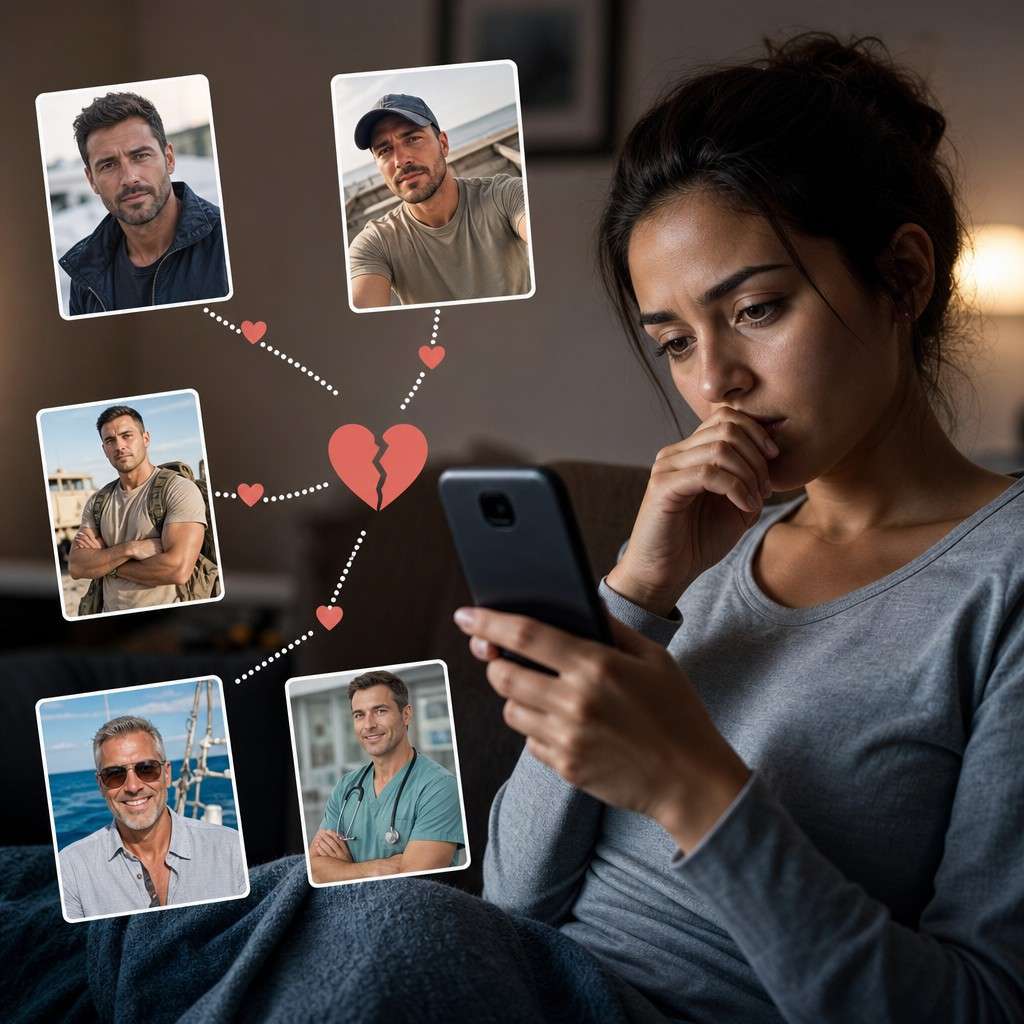
Learn the five photo patterns scammers reuse, and the quick checks that expose them. You’ll get a simple reverse-image workflow, plus profile clues that matter more than a pretty face. By the end, you can screen new matches in minutes and keep evidence if money is requested.
Why Photos Matter More Than Sweet Talk
Photos are the fastest way to build trust. Fraudsters know most people decide “real or fake” in seconds. So they borrow images that already feel believable. Your job is to treat photos like data. Look for reuse, missing context, and inconsistencies.
Type 1: The Too-Perfect Professional Headshot

These look like agency portraits or corporate bios. Skin is flawless, lighting is studio-clean, and the background is neutral. Often there is only one “main” image. That is a red flag for fraudulent profiles.
Use Google Images and TinEye on the face shot. Also try Bing Visual Search for different matches. If you get modeling pages, casting sites, or stock results, walk away. Ask for a new photo holding a spoon or today’s newspaper. Scammers usually dodge custom requests.
Type 2: The “Deployed” Or “Offshore” Uniform Shot

Common themes are military, oil rigs, shipping, or contractors. The photo sells status and distance. Distance explains why you cannot meet.
Zoom in on name tapes, insignia, and badges. Misplaced patches and blurry rank marks are common. Look for odd shadows around the helmet or shoulders. That can signal a pasted face. If they claim a base, ask for a unit and duty title. Then compare to public naming conventions.
Type 3: The Luxury Lifestyle Flex

Think rented sports cars, yachts, watches, and first-class cabins. The goal is authority, not romance. These photos push you toward “investment” talk. That overlaps with latest scams tied to crypto and wire transfers.
Do a reverse search on the car or yacht photo too. Check reflections in sunglasses and windows. Look for mismatched time of day across the set. A real person has boring photos, not only curated highlights.
Type 4: The Family-Anchor Photo

A child, a “niece,” or an elderly parent appears. It signals warmth and lowers your guard. It also creates a future emergency request.
Do not engage with details about minors. Ask for a video call at a normal hour instead. If they refuse, stop. Save screenshots, usernames, and message dates. Those matter if you later need to report.
Type 5: The Verified-Looking Selfie Set

These include mirror selfies, gym shots, and casual kitchen pics. They feel real because they look ordinary. Many are stolen from private accounts and reposted. Some are AI-generated, with tiny defects.
Check hands, teeth, earrings, and glasses frames. Look for warped backgrounds near hairlines. Scan for inconsistent text on signs or shirts. If every photo has shallow depth-of-field blur, be cautious. That is common in AI portrait generators.
If Money Was Sent, Focus On Recovery Steps
People search “i sent money to a scammer can i get it back” for a reason. Sometimes you can, but speed matters.
What To Do First
Contact your bank or card issuer immediately. Ask to stop, recall, or dispute the payment. For wires, ask for a recall and a fraud report number. For gift cards, contact the issuer and provide receipts. For crypto, report to the exchange used to buy it. Keep chat logs and the scammer’s payment details.
Avoid The Second Scam
Recovery scammers promise refunds for an upfront fee. Do not pay anyone who says they can “hack” funds back. If you are asking “how can i get my money back from a scammer,” stick to official channels.
What Victims Say
Many online frauds learning from victims why they fall for these scams share the same triggers. The scammer created urgency, secrecy, and exclusivity. Photos reinforced the story, not the truth. Use a personal rule. No money, no financial apps, and no “investment tips” from a stranger. That rule beats any scam list.
References
- Federal Trade Commission (FTC): Romance scams and payment recovery guidance
- FBI Internet Crime Complaint Center (IC3): Reporting internet crime and fraud trends
- U.S. Department of Defense: Public guidance on military impersonation scams
Disclaimer: The information provided in this article is for educational and informational purposes only. It does not constitute professional advice. Readers should conduct their own research and consult with qualified professionals before making any decisions.