
Steps to Join the Military When You’re Older
Joining the military at an older age requires careful preparation and an understanding of the specific processes designed for mature recruits. This overview serves as a guide to military service at any age, outlining the exact steps necessary to navigate age limits, request waivers, meet physical standards, and explore various career tracks. Whether you are aiming for active duty or researching civilian roles, understanding the sequential steps to enlistment ensures a smooth transition into service.
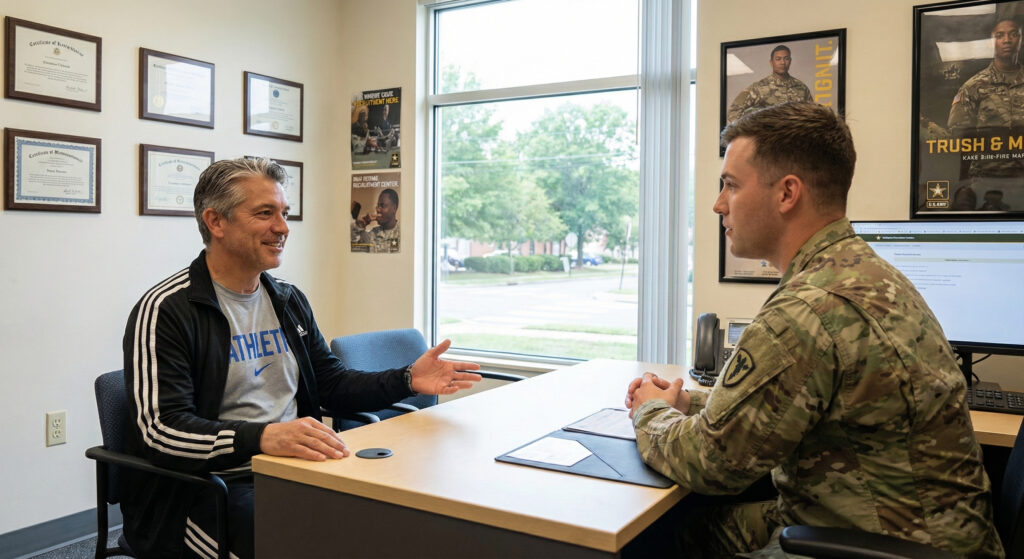
Step 1: Review Branch-Specific Age Limits
The first essential step in joining the military at an older age is identifying the maximum age restrictions for each branch. The Department of Defense sets baseline rules, but individual branches adjust their cutoffs based on operational needs.
- Air Force and Space Force: Typically accept recruits up to age 42.
- Navy: Generally accepts recruits up to age 41.
- Coast Guard: Often accepts recruits up to age 42.
- Army: Typically sets the standard maximum age at 35.
- Marine Corps: Generally maintains the lowest maximum age, typically capping at 28.
It is important to remember that these age limits apply to the day you ship out to basic training, not the day you begin the paperwork. Candidates approaching these cutoffs must initiate the process with enough lead time to complete all testing and medical evaluations.
Step 2: Navigate Age Waivers and Prior Service Rules
If you exceed the standard age limits, the next step is determining your eligibility for an age waiver. Waivers are evaluated on a case-by-case basis and are often dependent on the current needs of the branch. Candidates with specialized backgrounds in healthcare, legal fields, or cyber security may have a higher likelihood of receiving an age waiver.
For individuals who have previously served, the process is different. Prior service time can often be subtracted from your current biological age to determine your “military age.” For example, a 44-year-old candidate with six years of prior active duty service may be considered 38 for enlistment purposes. This calculation makes Military Careers After Retirement from a first service stint a viable pathway for returning veterans.
Step 3: Complete the ASVAB and Medical Processing
All candidates, regardless of age, must take the Armed Services Vocational Aptitude Battery (ASVAB) and clear the Military Entrance Processing Station (MEPS). Older recruits are held to the same medical and physical standards as younger applicants.
At MEPS, medical professionals evaluate hearing, vision, cardiovascular health, and joint mobility. Because older adults may have longer medical histories, compiling accurate medical records beforehand is a critical step. Being transparent about past surgeries or injuries prevents delays in processing. After clearing MEPS, recruits must also pass the baseline physical fitness test for their chosen branch, which typically involves timed runs, push-ups, and core exercises.
Step 4: Explore Senior Military Careers and Civilian Alternatives
The final step involves selecting an appropriate career path. Older candidates often naturally gravitate toward Senior Military Careers that leverage their existing civilian expertise, such as logistics, intelligence, or administration.
For those who decide that active enlistment is not the right fit, the federal government offers extensive alternative employment tracks. Exploring the USAJOBS Military Careers portal reveals numerous civil service roles that support the armed forces without requiring a uniform. Candidates analyzing regional career paths often research Civilian Jobs on Military Bases in Florida or the landscape of Military Jobs in California, where large installations host thousands of civilian support roles.
Additionally, researching Part Time Jobs for Veterans through the National Guard or Reserves provides a way to serve while maintaining a civilian lifestyle. Those looking into specific hubs, such as career paths and Jobs for Veterans in Texas, often find robust state-level networks designed to transition mature professionals into defense-sector roles.
Frequently Asked Questions
Are the physical requirements different for older recruits? No, the entry-level physical and medical requirements at MEPS are identical for all recruits. However, once in the service, branches typically scale their annual fitness test scoring standards based on age brackets.
What roles are considered Military Jobs for Older Adults? While older recruits can technically enter any field they qualify for, many excel in technical, administrative, or medical fields that benefit from prior life experience and emotional maturity.
Can I join the reserves instead of active duty? Yes. Joining the Reserve or National Guard components follows the same basic steps and age requirements as active duty, offering a part-time service option.
Conclusion
Taking the steps to join the military when you are older involves verifying branch age limits, securing necessary waivers, passing rigorous physical evaluations, and selecting a role that matches your experience. By understanding these structural requirements, mature candidates can successfully navigate the entry process and find meaningful avenues to serve.
Disclaimer: The information provided in this article is for educational and informational purposes only. It does not constitute professional advice. Readers should conduct their own research and consult with qualified professionals before making any decisions.