
Some Americans Are Earning Extra Cash From Things Sitting In Their Garage
You’ve got shelves of old gear, inherited boxes, and half-forgotten equipment. You suspect some of it is worth selling, but you don’t know what’s legit, what’s junk, or how to price it without getting burned. Many of these overlooked items fall into categories like garage items worth money or even hidden antiques worth money. This article is for anyone who wants to clear space and avoid underpricing.
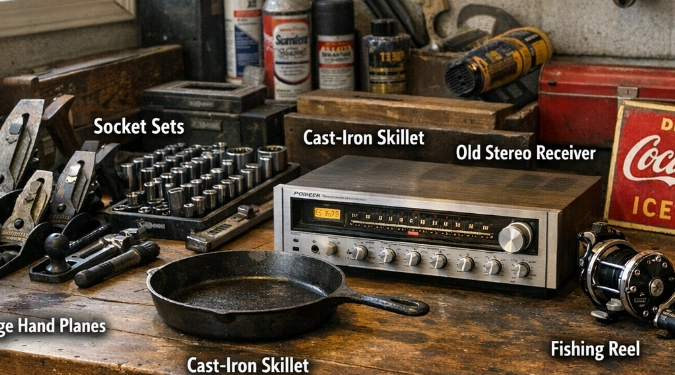
Learn which dusty items tend to sell fast and which ones are usually duds. Use quick tests to date, identify, and price what you already own. This guide shows how to clean, photograph, and list items so buyers trust you. You’ll also learn safe meetup rules and shipping shortcuts, helping you turn clutter into real things to sell for cash.
Start With A 10-Minute Sort That Finds Winners
Skip deep cleaning at first. Do a fast triage.
- Metal case, heavy build, made-in markings: often older and worth checking.
- Original boxes, manuals, or accessories: these raise sale price and buyer confidence.
- Brand stamps and model plates: photograph them before anything else.
- Sets: matched sizes sell better than single pieces.
Make three piles: list now, research, donate. Research gets a sticky note with any numbers you find.
Six Garage Finds That Often Bring Real Money
1) Vintage Hand Tools With The Right Marks
Look for Stanley Bailey bench planes, Record planes, and Starrett measuring tools. Add L.S. Starrett micrometers and Brown & Sharpe calipers. Check for Snap-on, Mac Tools, Matco, and Craftsman USA sockets. Older tool steel and crisp stamps matter.
Rust is not fatal. Cracks, missing parts, and heavy pitting reduce value fast. These are valuable old tools most people overlook.
2) Cast-Iron Cookware That Cleans Up Well
Flip pans over. Look for Griswold, Wagner, Favorite Piqua, Lodge, and Birmingham Stove & Range. A smooth cooking surface helps. A wobble and cracks hurt value.
3) Old Electronics With Cult Demand
Receivers, tape decks, and turntables can sell even “as-is.” Look for Marantz, Pioneer, Sansui, Technics, Sony, and Yamaha. Keep dust covers and remote controls. Photograph the rear jacks and model badge.
4) Sporting Goods With Serial Clues
Golf clubs, gloves, and rods can surprise you. Look for Scotty Cameron putters, Ping Anser models, and forged Mizuno irons. Check fishing reels from Penn, Shimano, and Abu Garcia. For bikes, look for older Trek, Specialized, and Cannondale frames with original decals.
5) Shop Equipment That Still Works
Benchtop machines sell best when complete. Check Delta, Powermatic, Jet, DeWalt, Milwaukee, and Makita for model tags. Include fences, guards, and miter gauges. Buyers pay more for “tested and running.”
6) Decor And Display Pieces With Proven Makers
Signs, clocks, and glass can be strong sellers. Look for Coca-Cola, Sinclair, and Texaco signage. Check neon for intact transformers. For glass, names like Fenton, Pyrex, and Anchor Hocking help. Many of these fall under antiques worth money, but condition rules everything.
How To Identify What You Have Without Guessing
- Model number first: search the exact string from the plate or stamp.
- Use image search: match logos, fonts, and knob shapes.
- Date by features: patent dates and “Made in” changes narrow eras.
- Confirm with sold listings: active listings are wishful thinking.
Write down three comparable sold prices. Use the median, not the highest, as your baseline.
Price Like A Seller Who Wants It Gone
Use tight ranges based on your selling path.
- Local pickup: list at 85% of the median sold price to move it.
- Shipped: list at 100% to 110% if yours is cleaner and complete.
- Parts or repair: list at 40% to 60% with clear defects shown.
For bundles, price slightly below the sum of singles. Buyers like one-and-done purchases.
Clean Only What Helps Value
Over-cleaning can destroy patina and labels. Use mild soap and water on plastics. Use a dry brush on paper labels. For metal tools, wipe with light oil and a rag. Avoid aggressive sanding on marked surfaces.
For collectibles, keep original stickers and store tags. Those can directly impact vintage collectibles value.
Photos And Listing Copy That Earn Trust
- Take a wide shot, then close-ups of stamps, flaws, and accessories.
- Photograph cracks, chips, and frayed cords in good light.
- State what you tested, and what you did not test.
- Use measurements, not guesses.
In the title, lead with brand and model. Put condition and extras at the end.
Where To Sell, Based On The Item
- Marketplace apps: best for heavy tools and shop gear.
- Auction sites: best for rare parts, brand-specific items, and shippables.
- Consignment shops: good for decor when you lack time.
- Specialty forums: best for audio and niche hobbies.
Rotate listings every 7 to 10 days. Update photos and lower price in small steps.
Safe Handoffs And Simple Shipping
Meet in a monitored public place. Bring a friend for high-value deals. Accept instant payment methods only. For shipping, double-box fragile items. Use bubble wrap and corner protectors. Photograph packing before sealing.
FAQ
Should I restore an item before selling it?
Only if the fix is reversible and low risk. Replacing missing knobs can help. Stripping paint or refinishing wood can cut collector value.
How do I spot reproductions on signs and decor?
Look for modern mounting holes, sharp “new” edges, and artificial rust patterns. Compare logo shapes and font spacing to known originals.
What is the fastest way to turn clutter into cash?
Bundle common items by type and size. List at a clear discount. These are reliable things to sell for cash when you want quick pickup.
What if I can’t find any sold comps?
Search by broader terms, like brand plus category. Check completed auction archives. If still blank, price high with “best offer” and watch interest.
Disclaimer: The information provided in this article is for educational and informational purposes only. It does not constitute professional advice. Readers should conduct their own research and consult with qualified professionals before making any decisions.