
Small Dog Adoption: Preparations, Expectations, and Helpful Advice
Adopting a small dog opens the door to incredible companionship, but it requires careful planning to ensure a successful transition. This guide outlines the essential preparations needed for your home, what to expect during the standard application process, and practical advice for welcoming your new pint-sized partner. We will cover critical details, from understanding the typical small dog adoption cost to deciding between a puppy and an adult, ensuring you are fully ready for this rewarding commitment.
Why Adopt a Small Dog?
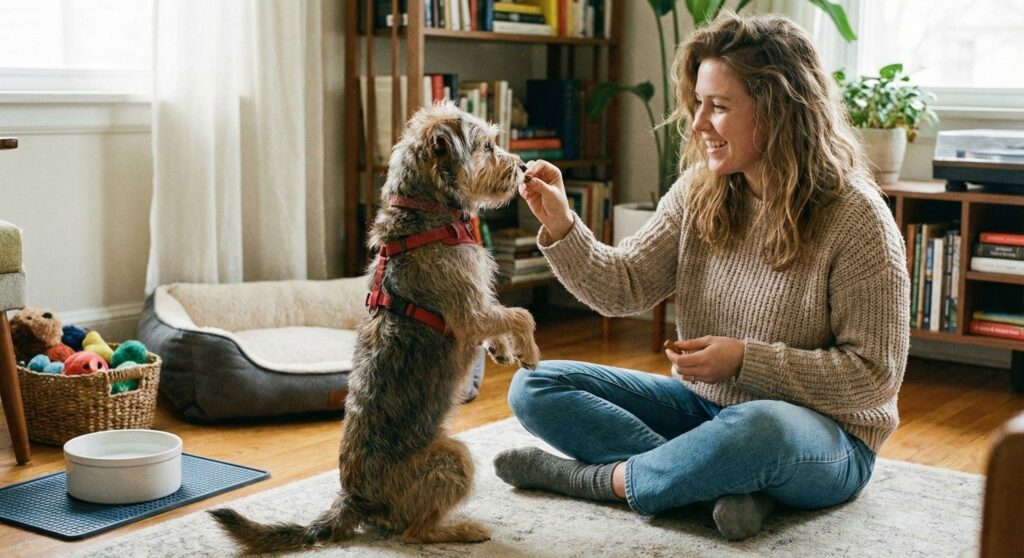
Choosing to adopt a small dog offers unique advantages suited to various lifestyles. Their compact size makes them ideal companions for apartment or condo living where larger breeds might feel restricted. Small dogs typically require less physical space for exercise, though they still need daily walks and mental stimulation. Furthermore, small breeds often have longer life expectancies than their larger counterparts, promising many years of connection. Adopting from shelters also frequently means acquiring a dog that has already received basic socialization or house training in a previous home or foster setup, giving you a head start on integration.
How to Prepare for a Small Dog
Preparing your environment for a small dog requires looking at your home from their lower vantage point. Because of their diminutive stature, small dogs face unique hazards. You must “puppy-proof” thoroughly by securing electrical cords, removing small objects that could be swallowing hazards, and blocking off potential escape routes under fences, gates, or balconies that a larger dog couldn’t squeeze through.
You also need to acquire size-appropriate supplies before bringing them home. Essential gear includes a properly sized harness rather than just a collar, which is crucial to protect the delicate tracheas common in small breeds. You will also need a lightweight leash, small-kibble high-quality food, and shallow bowls. Invest in a comfortable, supportive bed and consider pet stairs if you plan to allow them on furniture; this protects their joints from the impact of jumping down from high surfaces.
What to Expect During the Adoption Process
Knowing how to adopt a small dog involves understanding the standard vetting procedures used by rescues to ensure safe, permanent placement. The process usually begins with a detailed written application asking about your living situation, work schedule, activity level, and experience with pets. This is often followed by an interview with adoption counselors to discuss your lifestyle and match you with suitable candidates.
Following a successful interview, the next step is typically a meet-and-greet. All household members, including existing dogs, must meet the potential adoptee to assess compatibility. Finally, be prepared for the financial aspect. The typical small dog adoption cost generally ranges from $150 to $500, depending on the organization and geographic location. This fee almost always covers spay/neuter surgery, age-appropriate vaccinations, microchipping, and sometimes initial flea and tick prevention, offering significant value compared to purchasing these veterinary services individually.
Adopting an Adult Small Dog vs. a Puppy
A critical decision in the process is comparing the realities of adopting a small dog adult vs puppy. Small breed puppies are undeniably cute but require immense time, patience, and consistent training for housebreaking and socialization. They have high energy bursts and need frequent supervision to prevent accidents or chewing.
Conversely, adult small dogs often arrive with established personalities, meaning what you see is largely what you get. Many are already house-broken and past the destructive chewing phase of puppyhood. Adult dogs are often better suited for individuals with busy work schedules or seniors looking for a calmer companion. Senior small dogs, in particular, offer immense love with significantly lower exercise demands.
Frequently Asked Questions
Where can I find small dogs for adoption? Knowing where to adopt a small dog starts with checking your local municipal animal shelters and humane societies, which frequently receive small breeds. Additionally, numerous breed-specific small dog rescue organizations exist nationwide, focusing on specific types like Chihuahuas, Dachshunds, or Poodles. Online platforms like Petfinder also allow you to filter search results by size and location to find adoptable small dogs near you.
What are the typical small dog adoption requirements? While small dog adoption requirements vary by organization, most rescues require proof of residence. If you rent, you will likely need to provide copy of your lease or landlord contact information confirming pets are allowed. Other common requirements include veterinary references to ensure current pets are up-to-date on vaccinations and spayed/neutered, and sometimes a home visit to verify a safe environment suited to a small dog’s needs.
Conclusion
Successfully adopting a small dog requires understanding the commitment involved, thoroughly preparing your home with size-appropriate supplies, and navigating the application process with patience. By knowing what to expect regarding costs and requirements, and carefully considering whether an adult or puppy suits your lifestyle, you set the stage for a successful lifelong bond. The effort put into preparation ensures a smoother transition for a deserving small dog into their forever home.