
Shop Tool Box Essentials: Size, Drawers, and Durability
Selecting the right storage solution for your workshop requires a focus on Shop Tool Box Essentials: Size, Drawers, and Durability. Whether you are a professional mechanic or a dedicated DIY enthusiast, the quality of your storage directly impacts your efficiency and the lifespan of your equipment. A high-quality tool box is an investment in organization, and understanding the core features of tool chests is the first step toward making a smart purchase.
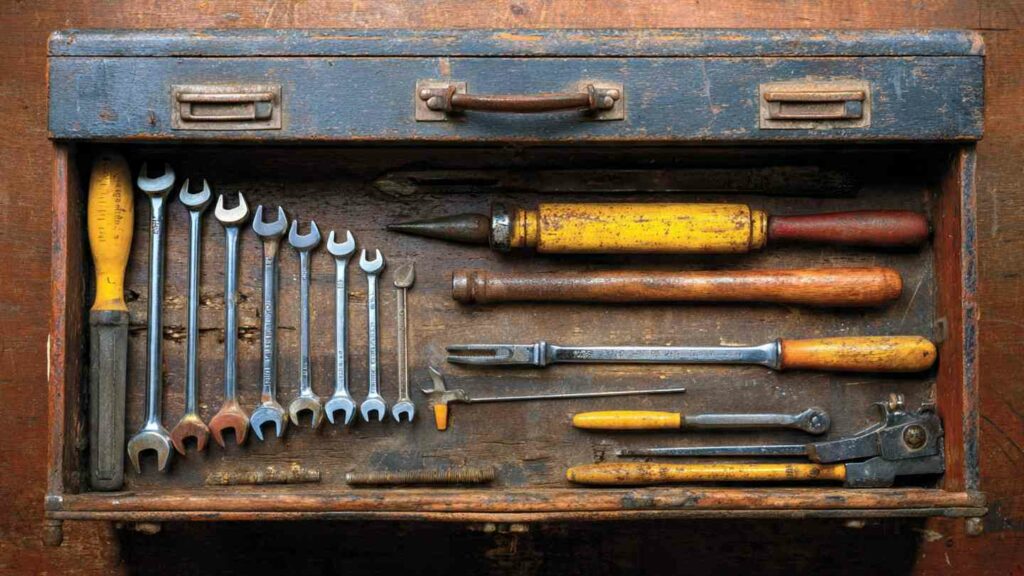
When you shop tool box options, you will encounter various configurations designed for different needs. Many consumers look for tool chests on sale to get the best value, but the true value lies in how well the unit meets the “Big Three” criteria: the physical size, the number and depth of the drawers, and the overall durability of the steel and casters.
Critical Dimensions: Choosing the Right Size
The size of your storage unit is the most immediate factor to consider. You must balance the available floor space in your garage with the volume of your current and future tool collection.
- Width and Depth: Standard professional tool chests typically range from 26 inches to over 72 inches in width. A deeper chest (20–24 inches) provides significantly more cubic inch storage without increasing the footprint on your shop floor.
- Vertical Stacking: To maximize space, many tool box clearance events feature “stackable” units, where a top chest sits on a rolling cabinet. This allows for specialized organization while keeping a compact footprint.
Drawer Configuration and Weight Capacity
The drawers are the heart of any storage system. When you shop tool box displays, pay close attention to the slide mechanisms and layout.
- Ball-Bearing Slides: High-quality tool chests on sale should feature heavy-duty ball-bearing slides. These ensure that drawers open smoothly even when loaded with heavy sockets or power tools.
- Load Ratings: Typical drawer ratings for a quality chest start at 100 lbs per drawer. Professional-grade units may offer double slides on deep bottom drawers to support 200 lbs or more.
- Layout Variety: A mix of shallow drawers for wrenches and deep drawers for bulky items like circular saws is essential for a versatile tool chest.
Built to Last: Evaluating Durability
Durability is what separates a lifetime storage solution from a temporary one. Look for heavy-gauge steel construction—usually 18 to 14-gauge steel—to prevent the frame from warping under the weight of a full collection.
The finish also matters; a powder-coated finish is the industry standard for tool box longevity because it resists chemicals, rust, and scratches better than standard paint. Additionally, check the casters. A tool chest clearance find is only a bargain if the wheels can support the total weight (often 1,000+ lbs) and roll smoothly over shop debris.
What Happens To Unsold Tool Chests After The Promo Period?
A common question among savvy shoppers is: What happens to unsold tool chests after the promo period? When a tool box clearance sale or a “Big Promo” ends, retailers often have leftover inventory that must be moved to make room for new seasonal models.
- Inventory Reallocation: Retailers may move tool chests on sale from the main floor to a dedicated clearance section or a regional outlet center.
- Internal Discounts: What happens to unsold tool chests often involves deeper internal markdowns. Smart buyers choose them after the promo period because these units are functionally identical to the new stock but represent an opportunity for significant savings based on floor-space needs.
- Refurbished/Open Box: Sometimes, “unsold” units include floor models that are marked down further during a tool chest clearance. Understanding what happens to UNSOLD TOOL CHESTS after big promos allows you to find professional-grade durability at a more accessible entry point.
Frequently Asked Questions
How do I know which size tool box I need? Inventory your current tools and add 20% for future growth. If you have mostly hand tools, focus on a chest with many shallow drawers. If you have many power tools, look for a unit with at least two or three extra-deep bottom drawers.
Is there a difference between a tool box and a tool chest? Generally, a “tool box” refers to a portable, hand-carried unit, while a “tool chest” refers to a large, stationary or rolling storage cabinet. When you shop tool box essentials, you are usually looking for the larger “chest” category for permanent shop organization.
Why do smart buyers choose tool chests after the promo period? Smart buyers look for “tail-end” inventory because retailers are highly motivated to clear out old model numbers. This is often the best time to find tool chest clearance prices on high-gauge steel units that were previously at full price.
What is the most important durability feature? The steel gauge and the drawer slide rating are paramount. Avoid “home-owner grade” units with thin walls if you plan on storing heavy iron tools, as the frame may flex and cause the drawers to misalign over time.
Conclusion
Focusing on Shop Tool Box Essentials: Size, Drawers, and Durability ensures that your workspace remains functional and professional. By understanding the typical dimensions and load capacities, you can confidently navigate any tool box clearance sale. Whether you are purchasing during a “Big Promo” or waiting to see what happens to unsold tool chests afterward, prioritizing quality construction will serve your craft for years to come.
Disclaimer: The information provided in this article is for educational and informational purposes only. It does not constitute professional advice. Readers should conduct their own research and consult with qualified professionals before making any decisions.