
Remote Access Control Systems Explained
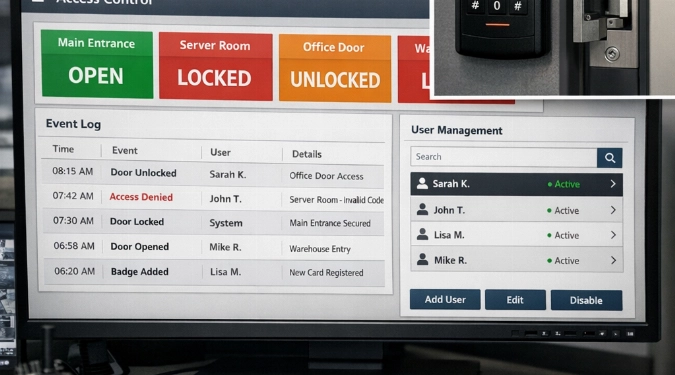
Imagine managing your home or office security from your smartphone. Remote access control systems make this possible by letting you oversee and respond to access events from virtually anywhere. This article explores the types, advantages, and implementation strategies behind this evolving technology.
Here’s your revised content with all the requested keywords integrated naturally and contextually, without forcing relevance:
What Are Remote Access Control Systems?
Remote access control systems are advanced security solutions that allow users to manage access to buildings or specific areas from a distance. Much like modern air conditioning systems—including ductless air conditioner setups that can be controlled remotely—these systems rely on smart technology to provide convenience and efficiency.
Typically, remote access systems integrate with smart locks, cameras, and alarms, enabling users to monitor and control entry via smartphones or computers. Similar to how no duct air conditioning systems or heat pump systems allow remote temperature control, these access systems provide real-time visibility and control over property security.
By utilizing these systems, property owners can authorize entry for guests, employees, or service providers without being physically present. This flexibility mirrors the convenience of single room AC and heating units, where localized control enhances comfort and usability.
Types of Remote Access Control Systems
There are several types of remote access control systems available, each designed to meet different security needs—just as there are various ductless air conditioners for sale tailored to different room sizes and efficiency requirements.
- Keyless Entry Systems:
These systems allow users to unlock doors using smartphones or key fobs, eliminating the need for traditional keys. This is comparable to how indoor unit air conditioner controls operate seamlessly without manual intervention. - Video Intercom Systems:
These systems enable users to see and communicate with visitors before granting access. Much like monitoring the performance of an outdoor unit air conditioner, users can visually confirm system activity before taking action. - Cloud-Based Access Control:
This system stores data online, allowing remote management from anywhere. It is especially useful for businesses with multiple locations—similar to centralized control in modern energy efficient cooling setups used in commercial HVAC systems.
Just as buyers research ductless air conditioner where to buy or compare trane air conditioner prices, selecting the right access control system requires evaluating features, scalability, and long-term value.
Advantages of Remote Access Control Systems
The advantages of remote access control systems are significant and comparable to upgrading to modern no duct air conditioning systems or heat pump systems:
- Enhanced Security:
Users can monitor access in real-time, reducing risks of unauthorized entry—similar to how advanced HVAC systems monitor performance for optimal efficiency. - Convenience:
Access can be granted remotely, just like adjusting a ductless air conditioner via a mobile app. - Flexibility:
Ideal for property managers or business owners handling multiple locations—much like managing multiple air conditioning systems across buildings. - Efficiency:
Just as energy efficient cooling reduces energy costs, remote access systems reduce time and operational inefficiencies.
Implementation Strategies for Remote Access Control
Implementing a remote access control system requires careful planning, similar to evaluating ductless heating and cooling systems cost before installation.
- Assess Security Needs:
Determine whether your property requires basic keyless entry or advanced cloud-based monitoring—just as you would choose between single room AC and heating units or full-scale HVAC systems. - Integration with Existing Systems:
Remote access solutions can work alongside alarms and surveillance systems, much like integrating an indoor unit air conditioner with an outdoor unit air conditioner for optimal performance. - Budget Considerations:
Compare system costs the same way buyers evaluate trane air conditioner prices or explore ductless air conditioners for sale to find the best value. - User Training:
Ensure all users understand how to operate the system effectively, just as proper usage is essential for maximizing energy efficient cooling.
FAQs
Can I keep keys as a backup?
Yes, but treat keys as part of the plan. Decide who holds them and how issuance is tracked. Consider restricted keyways if you rely on keys for sensitive areas.
What should I log for audits and investigations?
Log granted access, denied access, door forced, door held open, remote unlocks, and admin changes. Include the user, door, timestamp, and the admin account used.
Conclusion
Remote access control systems provide a smart, flexible, and secure way to manage property access. Much like choosing between different air conditioning systems—whether it’s a ductless air conditioner, heat pump systems, or no duct air conditioning systems—the key lies in understanding your specific needs, budget, and long-term goals.