
Recognizing Immune Weakness Signs in Seniors
Immune weakness in seniors often shows up as a pattern, not a single obvious symptom: frequent respiratory or urinary infections, shingles reactivations, slow wound healing, lingering fatigue after illness, or infections that return quickly after treatment. This article explains how immune function with aging can change, which signs are commonly missed, when primary immunodeficiency diseases may be considered even later in life, and how clinicians typically evaluate immunodeficiency using infection history and targeted labs such as immunoglobulin levels and vaccine antibody titers. It also outlines educational, realistic care paths, from addressing secondary causes to primary immunodeficiency treatment options like immunoglobulin replacement when appropriate.
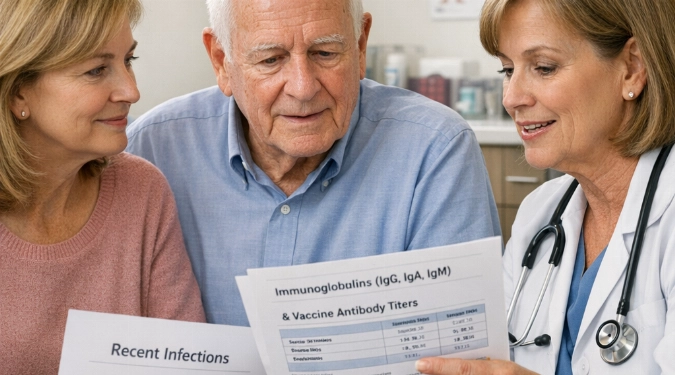
Immune weakness in older adults rarely shows up as one dramatic symptom. More often, it looks like a steady pattern: infections that return, wounds that linger, fatigue that feels out of proportion, and recoveries that take longer than they used to. Recognizing these signs early can help families and clinicians decide what to check next and how to support safer aging.
How Immune Function Changes With Age
Immune function with aging can shift in two big ways: the body may respond more slowly to new germs, and long-standing low-grade inflammation can rise. This combination means a cold may last longer, vaccines may produce a weaker response, and the body may have a harder time clearing bacteria from the lungs, urinary tract, or skin.
These changes are not automatically a disease. But they can amplify the impact of common health factors that contribute to immunodeficiency, including poorly controlled diabetes, chronic kidney disease, COPD, certain cancers, and medications that suppress immunity such as long-term corticosteroids or some arthritis biologics.
Immune Weakness Signs That Are Easy To Miss
In seniors, immune weakness often appears through “patterns” rather than a single red-flag event. One practical way to think about immunodeficiency is noticing repeated infections, infections that become severe, or infections that do not respond as expected to standard care.
- Frequent respiratory infections, bronchitis, pneumonia, or sinus infections that recur over months
- Urinary tract infections that return soon after treatment or lead to confusion or falls
- Skin infections, shingles reactivations, or fungal rashes that are persistent
- Slow wound healing, frequent mouth sores, or ongoing gum inflammation
- Unexplained weight loss, low appetite, or fatigue that follows infections and lingers
When To Consider Primary Immunodeficiency In Older Adults
Primary immunodeficiency diseases are often thought of as childhood conditions, but some people are diagnosed later in life, especially milder forms or cases that were overlooked. A primary immunodeficiency disease can involve antibody problems, immune cell dysfunction, or complement pathway issues.
Common types of primary immunodeficiency that may be identified in adults include common variable immunodeficiency (CVID) and selective IgA deficiency. A clinician may also consider complement deficiencies when infections with certain bacteria are unusually severe. Understanding the causes of primary immunodeficiency matters because management can differ from typical “watch and wait” approaches.
Other Causes Of Immunodeficiency That Can Mimic Aging
Not all immune weakness is primary. Causes of immunodeficiency in seniors often include secondary drivers such as malnutrition, alcohol overuse, uncontrolled blood sugar, or protein loss from kidney or gut conditions. Cancer treatments and immune-suppressing medications can also reduce infection-fighting capacity.
Because these causes can overlap, clinicians typically look at the full story: infection frequency and severity, medication list, nutrition and weight trends, and whether infections involve unusual organisms or locations.
What Evaluation Typically Looks Like
Recognizing immune weakness signs usually leads to basic, practical testing and history-taking, not guesswork. A clinician may review vaccine responses and order bloodwork like a complete blood count with differential, quantitative immunoglobulins (IgG, IgA, IgM), and specific antibody titers to prior vaccines such as pneumococcal or tetanus. Depending on results, referral to an allergist-immunologist may follow an approach to primary immunodeficiency that layers more targeted studies over time.
In the U.S., clinicians often align decisions with primary immunodeficiency guidelines from professional groups such as the American Academy of Allergy, Asthma & Immunology (AAAAI) and the Immune Deficiency Foundation (IDF) educational standards, especially when considering advanced therapies.
Treatment Paths When The Immune System Is Low
Treatment for low immune system depends on the cause and the specific deficit. If the issue is secondary, improving nutrition, addressing dental disease, tightening diabetes control, or adjusting immune-suppressing medication when medically appropriate may reduce infection burden.
For confirmed primary immunodeficiency, primary immunodeficiency treatment may include immunoglobulin replacement therapy (IVIG or SCIG) for significant antibody deficiencies, and in selected situations, preventive antibiotics. Vaccination strategy may also be adjusted, for example using higher-dose influenza vaccines in older adults and following CDC schedules for pneumococcal vaccination when indicated.
Primary immunodeficiency treatment is typically individualized and monitored over time, focusing on infection prevention, protecting lung health, and tracking side effects such as headaches, infusion reactions, or kidney strain risks in susceptible patients.
FAQ
Can Immune Weakness Look Like “Just Getting Older”?
Yes. Longer recoveries, repeated “chest colds,” or frequent UTIs can blend into normal aging narratives. The key is the pattern: frequency, severity, and how well infections respond to typical treatment can signal immunodeficiency rather than routine aging.
Is Primary Immunodeficiency Only A Childhood Problem?
No. Primary immunodeficiency can be diagnosed in adulthood, especially if earlier infections were attributed to asthma, smoking history, or “bad luck.” Some primary immunodeficiency diseases, like CVID, are commonly diagnosed in adults.
What Helps A Clinician Decide On Further Workup?
Clinicians look at infection history, hospitalizations, unusual organisms, and basic immune labs. Poor antibody levels or weak vaccine titers can support a deeper evaluation for types of primary immunodeficiency.
What Does Ongoing Care Often Involve?
It may include monitoring infection frequency, updating vaccines, managing chronic conditions, and, for some people with primary immunodeficiency disease, immunoglobulin replacement as part of a long-term plan guided by primary immunodeficiency guidelines.
Conclusion
Recognizing immune weakness signs in seniors means watching for repeated or unusually severe infections, slow healing, and recoveries that steadily lengthen. Because immunodeficiency can come from both age-related changes and identifiable medical causes, a structured evaluation and tailored treatment for low immune system concerns can make day-to-day health more stable and infections less disruptive.
Disclaimer: The information provided in this article is for educational and informational purposes only. It does not constitute professional advice. Readers should conduct their own research and consult with qualified professionals before making any decisions.