Reasons Florida 55+ Homes Are Priced Low
Low-priced Florida 55+ homes can be a real opportunity, but the “cheap” label usually has specific causes. This article explains the most common pricing drivers, including high inventory and steady turnover in age-restricted neighborhoods, the difference between owning land versus paying land-lease site rent, and how HOA dues and amenity costs can shift value from the sale price into monthly expenses. You’ll also learn why home age, roof condition, wind-mitigation features, and insurance considerations often influence what sellers can ask, plus how location trade-offs and community resale restrictions can reduce the buyer pool and keep prices down. A practical table and FAQs help you evaluate true costs before deciding.
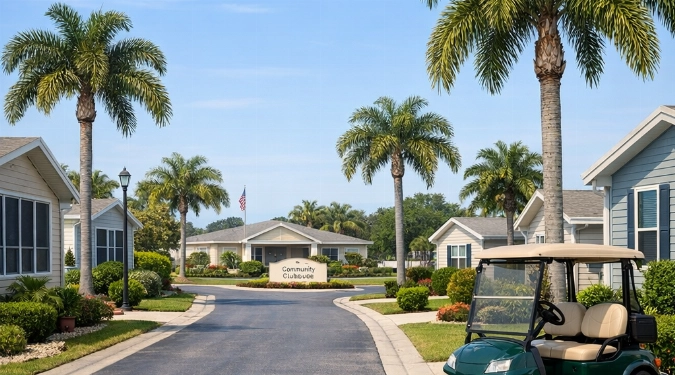
Florida 55+ listings can look almost too affordable at first glance. But there are real, predictable reasons some communities can advertise lower price tags, and knowing them helps you judge whether a “cheap” home is a smart fit or a costly surprise later.
Supply, Turnover, And Seasonal Timing
One big reason prices dip is simple inventory. Many retirement areas have a high concentration of age-restricted neighborhoods, and that steady supply can keep Affordable Florida Homes on the market even when other local housing feels tight.
Turnover also tends to be consistent in 55+ communities because owners may downsize, relocate closer to family, or move to assisted living. That regular resale pipeline can help buyers Discover Low Prices during slower months when fewer shoppers are touring.
Land-Lease Communities And Monthly Site Rent
Some of the lowest list prices are in manufactured-home communities where you own the home but lease the land underneath it. This structure can make it easier to Explore Cheap Homes upfront, but it shifts part of the cost into monthly lot rent and community rules.
To evaluate true Low-Cost Florida Living, ask for the current site rent, what it includes (water, lawn care, trash, amenities), and how increases are handled. A lower purchase price can be offset by higher recurring fees over time.
HOA Fees, Amenities, And What “Affordable” Really Means
Many 55+ Community Deals sit in neighborhoods with pools, clubhouses, fitness rooms, or guarded gates. Those benefits are funded by HOA fees, which vary widely based on staffing, landscaping, insurance, and reserve funding.
If you’re planning Budget-Friendly Living, compare the monthly HOA to what you would otherwise pay for lawn care, cable, recreation, or security. Lower home prices sometimes appear in communities with higher fees, or in communities that have reduced amenities to keep dues down.
Home Age, Insurance Costs, And Hurricane Standards
Older homes can be priced low because buyers budget for updates. In coastal or storm-prone areas, roof age and opening protection matter. A roof nearing the end of its useful life can impact financing and insurance quotes, which can push the sale price downward.
Ask about improvements that insurers and inspectors commonly focus on: roof replacement dates, hurricane shutters or impact-rated windows, and wind-mitigation features. These factors can influence your long-term Florida Retirement Savings even if the purchase price looks attractive.
Location Factors That Quietly Reduce Prices
Some communities price lower because they’re farther from beaches, major airports, or large medical networks. Others are near busy roads, have fewer dining options, or sit in areas with less job demand (even if you’re retired, that demand still affects resale competition).
This is where you can Uncover Hidden Gems: a slightly inland community may trade beach proximity for quieter streets and better value. The key is matching location trade-offs to your daily routine, not just the list price.
Resale Restrictions And Buyer Pool Limits
Age restrictions can narrow the resale audience, which may reduce price pressure compared to all-ages neighborhoods. Some communities also limit rentals, require lengthy application approvals, or have pet and vehicle rules that reduce the number of eligible buyers.
That smaller buyer pool is part of the answer to Why So Affordable? It can be a benefit if you want stability, but it’s worth understanding how restrictions might affect resale speed later.
A Quick Cost Check Table Before You Fall In Love
| Cost Driver | Why It Can Lower The Sale Price | What To Verify |
|---|---|---|
| Land-lease site rent | Lower upfront price, higher monthly obligation | Current rent, increases, included services |
| HOA dues and reserves | Higher fees reduce what buyers can pay for the home | Budget, reserves, special assessment history |
| Roof and storm upgrades | Older components raise insurance and repair expectations | Roof age, wind mitigation report, shutters/windows |
| Community rules | Restrictions can shrink the buyer pool | Rental limits, approval process, resale rules |
FAQs About Low-Priced Florida 55+ Homes
Are The Cheapest 55+ Homes Usually Manufactured Homes?
Often, yes. Many of the lowest-priced listings are manufactured homes, especially in land-lease communities. That doesn’t automatically mean poor quality, but it does mean you should confirm whether you own the land, the home’s build year, and whether renovations were permitted.
Do Low List Prices Mean The Community Has Problems?
Not always. Lower pricing can reflect distance from tourist areas, fewer amenities, or a large supply of similar homes. Still, review HOA documents, ask about recent special assessments, and look for patterns like repeated roof claims in the neighborhood.
What Paperwork Helps Confirm Value Before Buying?
Request the HOA rules and budget, reserve study (if available), recent meeting minutes, and the seller’s disclosures. For insurance-related questions, a wind mitigation inspection and a four-point inspection are commonly used to clarify roof, electrical, plumbing, and HVAC condition.
Conclusion
There are clear reasons Florida 55+ homes can be priced low: higher supply, land-lease structures, HOA economics, home age and insurance realities, location trade-offs, and resale restrictions. When you separate the upfront number from the monthly obligations and future maintenance, you can spot real Value in 55+ Homes and avoid the listings that only look like bargains on paper.
Disclaimer: The information provided in this article is for educational and informational purposes only. It does not constitute professional advice. Readers should conduct their own research and consult with qualified professionals before making any decisions.