Prefabricated Cabins: The Complete Guide
Prefab cabin ads make everything look simple, until you compare what’s actually included. Prices can exclude delivery, foundations, engineering, and even basic interior finishes. If you’re trying to budget for a small retreat or a full-time 2-bedroom place, this guide helps you sort real costs from marketing.
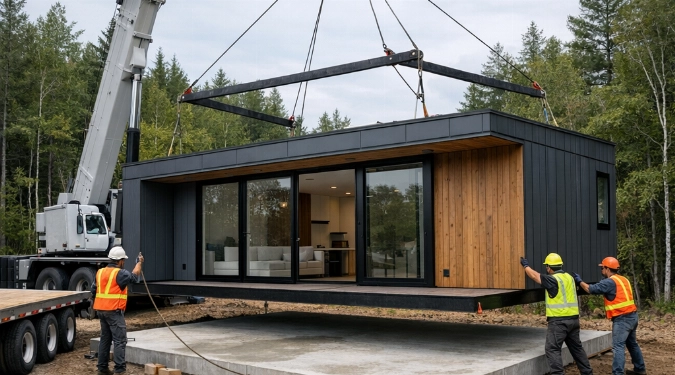
Learn how to compare prefab cabin quotes without getting tricked by vague “starting at” prices. This guide shows what to ask factories and dealers before you pay a deposit. You’ll also get a shortlist of real cabin models, typical costs, and the site checks that prevent expensive surprises later.
What Counts As A Prefab Cabin
A prefab cabin is built mostly off-site, then delivered in parts or modules. Some arrive as panels you assemble on a foundation. Others arrive as finished modules set by crane. A third group ships as flat-pack “house kits.” Finish level matters more than the label.
Four Build Types You’ll See In Quotes
Panelized: Walls and roof panels are factory cut. On-site framing is fast. Weather exposure during assembly is the main risk.
Modular: One or more modules arrive finished inside. Set day is quick, but transport and crane costs are real line items.
Kit And Flat-Pack: You receive numbered parts and instructions. Labor can be DIY or contracted. Expect more site time and more trades coordination.
“Shell Only” Studios: These are often small cabins sold as weather-tight shells. You still need insulation, wiring, and plumbing if you want full-time use.
Pricing That Actually Matches Reality
Most sticker prices exclude foundations, utility runs, permits, and delivery. Ask every seller for an itemized scope. Then compare like-for-like.
- Small studio cabin shell: $25,000 to $60,000.
- Finished 1-bedroom cabin: $70,000 to $160,000.
- 2 bedroom prefab homes: $140,000 to $320,000, depending on finishes and transport.
- Site work and utilities: $20,000 to $120,000, driven by soil, slope, and distance to hookups.
If you want a prefab house price list, request three packages per model. Ask for “shell,” “weather-tight,” and “turnkey.”
Modern Prefab Cabins You Can Buy Right Now
- Avrame A-Frame kits: TRIO and DUO series, strong for steep roofs and lofts.
- Mighty Buildings: 3D-printed modular units with tight envelopes and quick set days.
- Method Homes: Dwell and cabin-style modular plans with higher-end finish paths.
- Hive Modular: compact modern modules often used for cabins and ADUs.
How To Compare Offers In One Spreadsheet
Create columns for model, square footage, and build type. Then add these fields:
- Delivered price, and what the seller calls it.
- Delivery miles, escort fees, and crane day cost.
- Foundation type and included engineering.
- Windows brand and U-value, plus exterior door specs.
- Electrical panel size, HVAC type, and hot water system.
This turns “prefab homes with prices” into comparable numbers, not marketing.
Packages, Listings, And The Words That Matter
Some buyers want complete home packages with prices. Others search prefab homes for sale with prices through dealers. Listings often show base models. Ask for the delivered, installed, and permitted total in writing. If you’re shopping 2 bedroom prefab homes for sale, confirm the second bedroom meets local egress rules.
Region-Specific Notes Without The Guesswork
If you’re researching prefab cabins australia or prefabricated cabins australia, ask about cyclone ratings, termite protection, and bushfire construction levels. In northern climates, ask for higher roof snow load engineering. In coastal areas, ask about corrosion-resistant fasteners and window hardware.
FAQ
Do I need a crane? Modular units often do. Panelized and kit cabins usually do not. Tight sites may need smaller equipment and extra labor.
Are “prefabricated structures” always cheaper? No. They can reduce on-site labor risk. High glazing, premium cladding, and long transport can erase savings.
How do I price a kit fairly? Ask for a materials list, then add labor, waste, and tools. Compare that total to a weather-tight shell quote.
Disclaimer: The information provided in this article is for educational and informational purposes only. It does not constitute professional advice. Readers should conduct their own research and consult with qualified professionals before making any decisions.