
Portable EV Chargers Guide: Perfect for Travel and Daily Use
A portable EV charger can be the difference between cutting a trip short and confidently plugging in at a hotel, rental, campground, or family garage. This travel-and-daily-use guide explains Level 1 vs Level 2 charging, what outlet types to expect, which safety certifications to look for, and which features (adjustable amperage, cable durability, storage, and plug options) matter most in real life. You’ll also get practical packing setups, adapter cautions, and clear FAQs to help you choose a portable solution that fits your car and your routine.
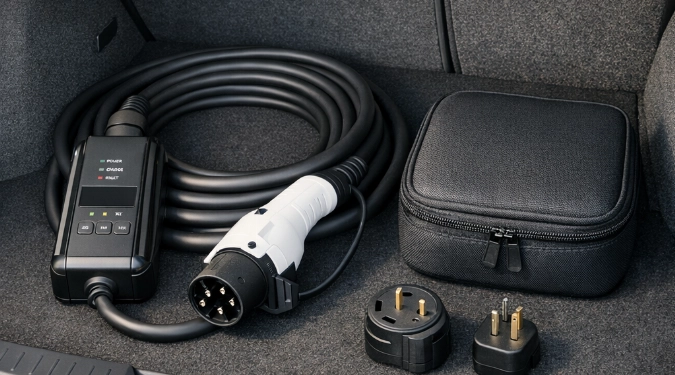
Road trip detour, hotel outlet, or a long day of errands, a portable EV charger can turn ordinary electrical access into a practical backup plan. This guide breaks down how portable EV chargers work, what to pack, what to avoid, and how to choose the right setup for daily use without overcomplicating your drive.
What A Portable EV Charger Really Does
A portable electric car charger is essentially an EVSE (Electric Vehicle Supply Equipment) that tells your car it’s safe to draw power from an outlet. Most are designed for Level 1 (120V) and many can also do Level 2 (240V) with the right plug and circuit. Your car’s onboard charger still controls how much power it can accept, so the EVSE’s amperage rating and the outlet you use matter as much as the device itself.
For travel, the goal is flexibility: being able to add meaningful miles overnight at a rental, cabin, or campground. For daily use, it’s about resilience: keeping a portable ev charger for car in the trunk as a fallback when a public station is busy or out of service.
Level 1 Vs Level 2 For Portable Charging
Level 1 (120V) is slow but widely available. It’s often enough to recover a commute overnight if you can plug in for many hours. A level 2 portable ev charger uses 240V, typically delivering several times more power, which can be the difference between “barely topped up” and “ready to go” on a travel day.
If you frequently visit places with 240V outlets (some garages, workshops, RV parks), a portable level 2 ev charger becomes a realistic daily tool, not just an emergency cable. Many drivers consider this style the best portable ev charger option when they want one device that covers home backup plus trips.
Features That Matter Most On The Road
Shopping for a portable charger for electric car use is easier when you focus on a few practical specs rather than marketing. Look for safety certifications (UL or ETL listing), an adjustable amperage setting (helpful on weaker circuits), and a clear display or indicator lights for voltage, current, and faults.
- Cable length and cold-weather flexibility: A longer cable helps at hotels and rentals, while better jacket materials stay manageable in winter.
- Plug options: Many units support NEMA 14-50 (common at RV parks) or NEMA 6-50 (often found in workshops). Adapters can expand options, but they do not upgrade a circuit.
- Rugged storage: A case keeps the connector clean, reduces trunk tangles, and helps protect the handle latch.
If you’re drawn to a retractable ev charger concept, note that true retractable reels are uncommon for higher-amperage EV charging because heat management and cable strain relief are harder to engineer. Some products offer tidy wrap systems instead of a reel, which may still solve the “messy cable” problem for travel.
Outlet Reality Check For Travel And Errands
Before plugging in, confirm the outlet type and the circuit’s condition. A worn receptacle can overheat, especially on continuous loads like EV charging. If your charger allows it, lower the amperage when using older outlets or long runs. Avoid regular household extension cords; if you must use one for Level 1, only use a heavy-duty, outdoor-rated cord sized for the load and keep connections dry and fully seated.
For RV parks, many sites provide NEMA 14-50, which pairs well with a portable level 2 charger. Even then, you still want to dial charging current to match what the pedestal and wiring can handle consistently.
Three Practical Use Setups
These common “kits” cover most real life without buying duplicates:
- Daily trunk backup: Level 1 cord plus a compact bag, used for unexpected outlet access during errands.
- Frequent traveler: Level 2 portable ev charger with NEMA 14-50 plug and adjustable amps, plus a simple outlet tester.
- Mixed household: A portable level 2 charger that can also run on 120V via adapter, useful when visiting family with only standard outlets.
Some shoppers look at a costco ev charger because warehouse clubs occasionally stock EVSE bundles. When evaluating any retailer option, focus less on the store label and more on certification, warranty terms, and the exact plug configuration included.
Compatibility, Connectors, And Phone Confusion
Most non-Tesla vehicles use J1772 for Level 1 and Level 2 AC charging. Many chargers are sold with J1772, and Tesla drivers can typically use them with a Tesla J1772 adapter. If you rely on app-based features, verify whether the charger uses Wi‑Fi, Bluetooth, or no app at all.
One keyword you may see in searches is portable charger for android, but that refers to phone battery packs, not EV charging. For EV travel, your “charger” is the EVSE and the outlet access plan, while your phone power can be handled separately with a small power bank.
FAQ
Is A Portable EV Charger Safe To Use Every Day?
It can be, as long as it is UL or ETL listed, the outlet is in good condition, and you set amperage appropriately for the circuit. Daily use on a dedicated 240V circuit is typically more stable than pushing a tired 120V outlet at maximum current.
What’s The Main Benefit For Travel?
A portable charger gives you options when public stations are busy or unavailable. Overnight charging from a compatible outlet can add meaningful range without changing your route, especially with a portable level 2 charger.
Can I Use Adapters To Plug In Anywhere?
Adapters only change the physical plug shape. They do not increase what a circuit can safely deliver. Use only high-quality adapters designed for EV charging, and reduce current when the outlet or wiring is uncertain.
How Do I Choose The Right Portable EV Chargers For My Car?
Start with your car’s connector (usually J1772 for AC charging), then pick the outlet types you realistically expect to use (often NEMA 5-15 for Level 1 and NEMA 14-50 for Level 2). A certified unit with adjustable amperage and a durable cable is usually the most travel-friendly combination.
Conclusion
Portable EV charging is about staying mobile: a reliable cable, the right plugs, and smart expectations about outlet power. Whether you need a simple backup for errands or a level 2 portable ev charger for frequent trips, prioritize certification, adjustable current, and realistic outlet planning so your charging routine stays calm and predictable.
Disclaimer: The information provided in this article is for educational and informational purposes only. It does not constitute professional advice. Readers should conduct their own research and consult with qualified professionals before making any decisions.