Popular Charity Crochet Projects : Crafting For A Cause
You want your crochet to help someone, not sit in a rejected-donations pile. The hard part is figuring out what groups actually accept, what yarn is safe, and where to send finished items. This article is for crafters who want clear, practical donation projects that truly get used.
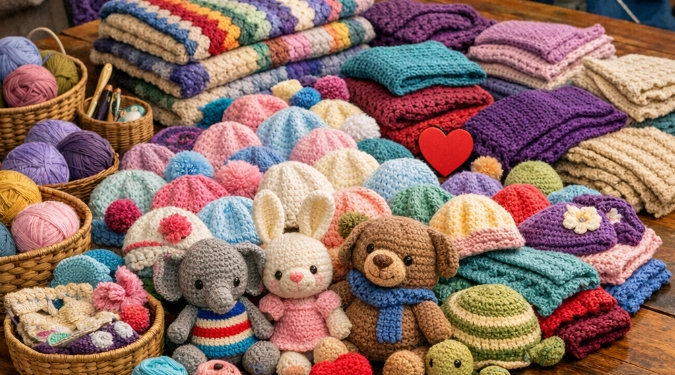
Pick the right project for the right program, without guessing. This guide lists donation-safe patterns, sizes, and yarn choices that pass intake rules. You’ll also get a simple workflow for batching items, labeling care, and shipping so your work reaches people fast.
Start With The Charity’s Intake Rules
Before you crochet a single stitch, check what a group will actually accept. Many programs reject items for size, fiber, or safety reasons. The fastest way to waste effort is to make something beautiful that cannot be distributed.
Common rules you will see:
- Machine-washable yarn only.
- No pet hair, smoke, or strong fragrances.
- No buttons, safety eyes, or loose parts for kids’ items.
- New yarn only, plus clean, unworn items.
- Specific sizes, especially for preemie and NICU donations.
Save the exact requirements as a note on your phone. Then build your pattern choices around them.
The Most Requested Crochet Donations
These are the most popular donations because they fit real needs and store easily. They also work for group drives and beginner-friendly batching.
Blankets That Wash Easily
Hospitals and shelters often need lap blankets and kid blankets. A quick crochet blanket works best when it uses simple stitches and a durable acrylic. Keep stitch texture low to avoid snagging.
Try these yarns that hold up in washers and dryers: Red Heart Super Saver, Lion Brand Basic Stitch Anti-Pilling, Bernat Premium, Caron One Pound, Knit Picks Brava Worsted, and Premier Anti-Pilling Everyday Worsted.
Hats For Warmth And Dignity
Beanies move fast through outreach programs. They are small, easy to size, and quick to ship. Stick to soft acrylic or a gentle acrylic blend.
Label hats by circumference in inches. Programs often sort by newborn, child, teen, and adult sizes.
Scarves And Neck Warmers
Scarves are good for colder months and street outreach. Avoid very long fringe, since it can tangle in mobility aids. Choose stitches that lay flat, like half double crochet rows.
Baby Sets With Safety In Mind
Many groups accept simple baby blankets and hats. Skip ribbons and avoid lacy holes for preemies. Keep yarn soft and non-shedding.
Fidget Items And Comfort Squares
Some memory care and crisis programs request small “busy” items. Think textured squares, twisty tubes, or simple sleeves. Use tight stitches so stuffing is not needed.
Hygiene-Friendly Accessories
Shower-friendly items can be useful for shelters. Consider cotton washcloths and soap savers. Make them in light colors so stains show and users can replace them.
One Standout Pattern: The Marshmallow Look, Done Donation-Safe
The viral marshmallow blanket style looks plush and comforting. It can still be donation-appropriate if you keep it practical. Use a bulky acrylic that is machine washable. Avoid extreme loops that snag on rings or zippers.
Make it in a simple grid of double crochet. Keep edges tight with a single crochet border. Choose calming solids, like slate, cream, and denim.
How To Batch Crochet Like A Small Production Line
Batching helps you donate more without burning out.
- Pick one pattern for ten items.
- Wind all yarn first, then crochet assembly style.
- Use stitch markers to standardize lengths.
- Weave ends as you go, not at the end.
- Finish with a quick steam hover, if fiber allows.
Add a simple care tag on cardstock. Write fiber content, wash settings, and your first name.
Where Your Items Can Go, And How To Vet Programs
You do not need a huge national name to do good. You do need transparency and clear intake processes. Look for posted reports, a working phone number, and specific donation guidelines.
Examples of widely recognized, trackable options include: Project Linus, Warm Up America, Knots of Love, Crochet for Cancer, The Red Scarf Project, and Soldiers’ Angels. Local hospital auxiliaries and domestic violence shelters may also have structured drives.
If you are also giving money, check third-party evaluators. Charity Navigator, GuideStar, and the BBB Wise Giving Alliance help confirm legitimate charities. They also help compare charities worth donating to based on governance and impact reporting.
Bonus: Add A Simple Fundraiser Bracelet
Some teams like a small add-on item for fundraising tables. A fast option is to design bracelet patterns with crochet cord and a sliding knot. Use waxed cord or mercerized cotton for durability. Skip metal charms if the bracelet may go to kids.
FAQ
Should I Wash Items Before Donating?
Follow the program’s rule first. If washing is allowed, use unscented detergent and skip fabric softener. Dry fully and store in a sealed bag.
How Much Does It Cost To Ship Crochet Donations?
Small boxes often run about $6 to $15, depending on weight and speed. Vacuum bags can reduce bulk for blankets. Always include a packing slip.
Can I Use Handmade Labels Or Tags?
Most programs accept a simple paper tag. Avoid pins for baby items. Use a short yarn tie or place tags loose in the bag.
References
- Charity Navigator
- GuideStar (Candid)
- BBB Wise Giving Alliance
- Project Linus
- Warm Up America
Disclaimer: The information provided in this article is for educational and informational purposes only. It does not constitute professional advice. Readers should conduct their own research and consult with qualified professionals before making any decisions.