
Ostomy Bag Cover Samples: Why They’re Getting Noticed
Ostomy bag cover samples are getting noticed because they let people test comfort, fit, drying time, and discretion before committing to a style that may be worn daily. This article breaks down what cover samples help you evaluate, the most common cover types offered in trials, and how sampling connects to real routines like sleeping, dressing, and showering. It also explains where people often look for free ostomy covers and related free ostomy supplies, how sampling can support low profile ostomy bags under clothing, and what to watch for so a sample leads to a better long-term match.
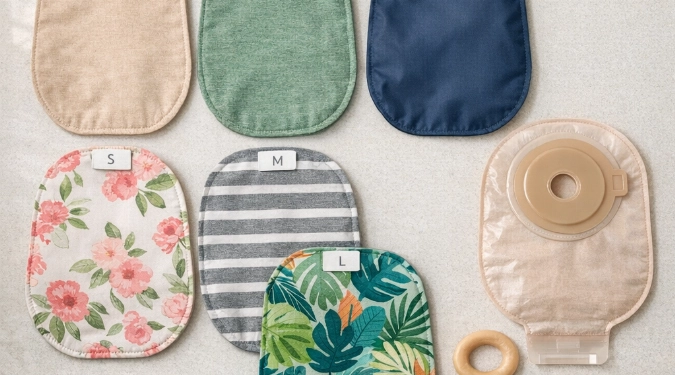
People aren’t talking about ostomy bag cover samples because they’re trendy, they’re talking about them because they solve very specific day-to-day problems fast: comfort, discretion, skin protection, and confidence. As more brands and retailers make sampling easier, trying a cover before committing has become part of how many people build a setup that actually fits their routine.
Why Ostomy Bag Cover Samples Are Suddenly A Big Conversation
The biggest reason sample ostomy covers are getting noticed is simple: fit and feel matter, and covers are more personal than they look. Materials can rub, seams can catch, and sizing can change depending on where the stoma sits and which pouching system you use. Samples let you test real-life comfort during sitting, sleeping, or being active, without guessing.
Another driver is visibility. Social communities have normalized talking about accessories like an ostomy bag cover the same way people talk about compression socks or supportive bras: not cosmetic, but practical. That shift makes sampling feel like a smart step instead of an unnecessary add-on.
What A Cover Sample Actually Helps You Evaluate
Trying free ostomy covers is most useful when you know what to look for beyond the print. You’re checking whether the cover reduces friction against seatbelts, waistbands, and bedding, and whether it helps the pouch feel more stable during movement.
Covers can also support discretion when you’re aiming for low profile ostomy bags under everyday outfits. A smoother exterior may reduce pouch “crinkle” sound and help clothing drape more naturally, especially under lighter fabrics.
Where People Commonly Find Samples In The U.S.
In practice, sampling comes from three main places: manufacturer programs, accessory makers, and select retail channels. Some people start with free ostomy samples from big brands to confirm pouch size and coupling style, then add a cover that matches that system. For example, requesting hollister ostomy samples can help confirm whether you’re using a pouch shape that needs a wider or narrower cover opening.
Others look for free ostomy supplies through insurance-connected distributors that include accessory trial items, or they compare what’s locally stocked, including walmart ostomy supplies, to understand what’s easy to replace quickly if a favorite cover wears out.
Common Cover Types You’ll See In Samples
Most ostomy products in the cover category fall into a few practical designs, and samples help you decide which category matches your routine.
- Cotton or bamboo fabric sleeves: Soft against skin and bedding, often preferred for sleep and lounging.
- Water-resistant covers: Designed to shed splashes and dry faster, useful for gym bags or humid climates.
- Ostomy wrap-compatible covers: Lower bulk under fitted tops, pairing well with ostomy clothing products like supportive wraps or high-waist underwear.
- Drainable-pouch friendly styles: Openings or closures that make emptying simpler without removing the cover.
How Covers Connect To Shower Concerns
A frequent question is, how do i protect my ostomy bag in the shower? A cover sample can help you test what feels secure and what dries fast, but it’s important to separate “comfort” from “waterproofing.” Most fabric covers aren’t meant to seal the wafer or keep water out completely. Instead, they can reduce the feeling of a wet pouch against skin and make the experience less distracting while you shower.
When you test a sample, pay attention to drying time, whether the fabric holds water, and whether seams feel heavier when wet. If you use a two-piece system, also check whether the cover shifts around the coupling after towel-drying.
A Quick Comparison Table For Sampling Smarter
| What You’re Testing | What To Notice With A Sample |
|---|---|
| Comfort | Seam placement, fabric softness, and whether it bunches when seated |
| Discretion | How it smooths the pouch outline and reduces “crinkle” under clothing |
| Practical Use | Access for emptying, compatibility with belts/wraps, and drying time |
| Durability | Stretch recovery after a day of wear and whether edges curl after washing |
FAQs About Ostomy Bag Cover Samples
Are Ostomy Bag Cover Samples Hygienic To Try?
Most companies that offer ostomy bag cover samples provide new items intended for trial. If you receive a fabric sample, washing before first use is a common precaution, especially if you have sensitive skin.
Do Covers Fit Every Pouching System?
Not always. Size, pouch length, and whether your pouch is closed-end or drainable can affect fit. Sampling helps you confirm openings and dimensions before you settle on a style.
Can A Cover Replace A Barrier Or Waterproof Seal?
No. Covers are accessories, not medical seals. They can improve comfort and discretion, but they typically do not change adhesion performance of wafers or barrier rings.
What If I Want Something That Looks Like Regular Clothing?
That’s where ostomy clothing products and wrap systems can pair well with a cover. A sample lets you see whether layering creates bulk or stays smooth with your favorite outfits.
Conclusion
Ostomy bag cover samples are getting noticed because they make it easier to find a cover that matches your body, your pouch, and your daily routines without guesswork. Samples help you evaluate comfort, discretion, shower practicality, and compatibility with other accessories so you can build a setup that feels steady and livable.
Disclaimer: The information provided in this article is for educational and informational purposes only. It does not constitute professional advice. Readers should conduct their own research and consult with qualified professionals before making any decisions.