
Natural Remedies Guide: Ideas for Maintaining Calmer Nerves
In the modern world, finding natural remedies for anxiety is a priority for many seeking a balanced lifestyle. Maintaining calmer nerves often involves a multifaceted approach, focusing on how specific botanicals, lifestyle adjustments, and dietary habits can support the nervous system. This guide explores natural anxiety relief methods that prioritize gentle, plant-based, and habitual interventions to help you navigate daily stress with greater ease and confidence.
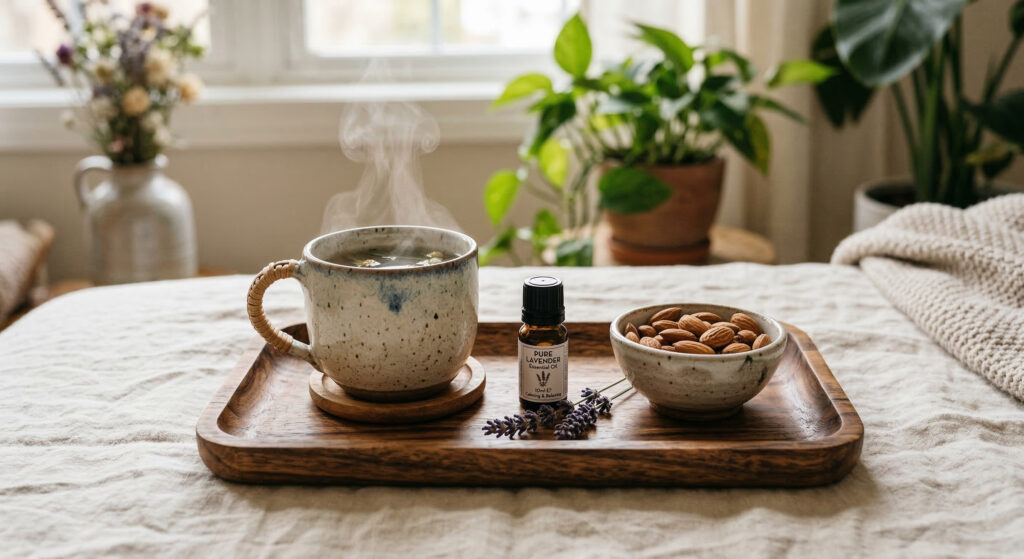
Understanding the Role of Herbal Support
When looking at how to treat anxiety and depression naturally, herbal supplements often serve as the first line of defense. Various plants contain active compounds that may interact with the body’s receptors to promote relaxation. For instance, passionflower is frequently cited in natural care anxiety relief circles for its potential to boost levels of gamma-aminobutyric acid (GABA) in the brain, a compound that helps lower brain activity and aids in relaxation.
Similarly, valerian root is a traditional natural medicine for anxiety known for its sedative qualities. While many people use it primarily for sleep, smaller doses during the day may help in how to fight anxiety by taking the edge off acute nervousness. It is important to remember that while these are anxiety natural remedies, they work differently for everyone and often require consistent use to see a noticeable shift in nerve calm.
Herbal Allies for Anxiety and Stress
For centuries, people have turned to plants for their soothing properties. Common kitchen staples and garden herbs are among the most popular anxiety natural remedies. Let’s explore why they are so well-known and how to fight anxiety using these botanical helpers.
Chamomile: The Calming Classic
You have likely seen chamomile tea on store shelves, often marketed for relaxation and sleep. This small, daisy-like flower has a long history of use as a mild tranquilizer and is a staple in natural medicine for anxiety.
- How It May Work: Chamomile contains an antioxidant called apigenin. Apigenin binds to specific receptors in your brain that may decrease anxiety and initiate sleep. Think of it as a gentle, natural remedy for anxiety to dial down the “noise” in your mind.
- How to Use It: The most common way to enjoy chamomile is by brewing a warm cup of tea. Brands like Traditional Medicinals or Celestial Seasonings are widely available. For a more concentrated dose of natural anxiety relief, you can also find chamomile in liquid extracts or essential oils for your diffuser.
Lavender: More Than Just a Pleasant Scent
The calming aroma of lavender is unmistakable. It’s a staple in aromatherapy for its ability to promote relaxation and is frequently used as a natural treatment for anxiety to reduce feelings of restlessness.
- How It May Work: Research suggests that the scent of lavender can impact the nervous system, helping to lower heart rate and blood pressure. The active components, linalool and linalyl acetate, are thought to produce a calming effect, making it a powerful anxiety natural medicine.
- How to Use It: Aromatherapy is the easiest way to use lavender. Add a few drops of high-quality essential oil to a diffuser. You can also place dried lavender sachets by your pillow or add a few drops to a relaxing bath for quick remedies for anxiety before bed.
Turmeric: The Golden Anti-Inflammatory
Turmeric is the vibrant yellow spice that gives curry its color. Its primary active compound, curcumin, is being studied as one of the natural ways to treat anxiety and depression due to its potent antioxidant properties.
- How It May Work: Chronic inflammation is increasingly being linked to mood disorders. Curcumin’s anti-inflammatory properties may help counteract these processes in the brain. Some research also suggests it can boost levels of serotonin and dopamine, key neurotransmitters for natural anxiety relief.
- How to Use It: You can add turmeric powder to smoothies or make “golden milk.” For a therapeutic dose of this natural medicine for anxiety, many choose supplements. Ensure your supplement contains piperine (black pepper extract) to increase absorption.
Other Natural Supplements for Nerves
Beyond the classic herbs, other natural compounds are gaining attention for their potential to support a calm mind and provide natural care anxiety relief.
- L-Theanine: Found almost exclusively in green tea, this amino acid promotes relaxation without causing drowsiness. It’s a popular natural remedy for anxiety because it helps take the “edge” off caffeine.
- Magnesium: Often called the “relaxation mineral,” magnesium plays a vital role in over 300 biochemical reactions, including nerve function. A deficiency can contribute to agitation, making magnesium a key natural treatment for anxiety.
- Omega-3 Fatty Acids: Found in fatty fish and walnuts, these are crucial for brain health. Studies suggest adequate omega-3 intake can help regulate neurotransmitters and serve as a long-term natural care anxiety relief strategy.
Lifestyle Practices for Lasting Calm
Supplements and herbs work best when combined with healthy lifestyle habits that support your nervous system and help you learn how to fight anxiety daily.
- Mindful Breathing: When you feel anxious, try the 4-7-8 technique: Inhale for 4 seconds, hold for 7, and exhale slowly for 8. This is one of the best quick remedies for anxiety to signal your brain to relax.
- Regular Movement: Physical activity is one of the most effective natural ways to treat anxiety and depression. Exercise helps burn off anxious energy and releases mood-boosting endorphins.
- Prioritize Sleep: A tired brain is an anxious brain. Aim for 7-9 hours of quality sleep per night by creating a relaxing bedtime routine, perhaps incorporating a cup of anxiety natural medicine like chamomile tea.
Frequently Asked Questions
What are the most common natural remedies for anxiety?
Common options include herbal teas like chamomile and peppermint, magnesium supplements, and mindfulness practices. These are often viewed as the foundation of natural anxiety relief.
How long does it take for natural medicine for anxiety to work?
Unlike some synthetic options, anxiety natural medicine often requires a cumulative effect. While some quick remedies for anxiety like breathing work instantly, herbal supplements may take two to four weeks of consistent use to show results.
Can lifestyle changes really help fight anxiety?
Yes, regular physical activity and consistent sleep schedules are powerful natural ways to treat anxiety and depression. Movement helps clear cortisol from the system, while sleep allows the nervous system to repair itself.
Conclusion
Maintaining calmer nerves is a journey that benefits from a variety of natural remedies for anxiety. By combining herbal support, nutritional awareness, and immediate calming techniques, you can create a personalized toolkit for natural anxiety relief. Whether you are exploring how to fight anxiety through better sleep or looking into natural medicine for anxiety to supplement your diet, the goal is always to support your body’s inherent ability to find balance.
Disclaimer: The information provided in this article is for educational and informational purposes only. It does not constitute professional advice. Readers should conduct their own research and consult with qualified professionals before making any decisions.