Laundry Bags: A Small Change That Improves Your Washing Routine
If your delicates stretch, your straps tangle, or single socks vanish, your wash setup is working against you. Laundry bags fix a lot of that, but only if you choose the right mesh, size, and closure. This article is for anyone who wants cleaner loads with less sorting and less damage.
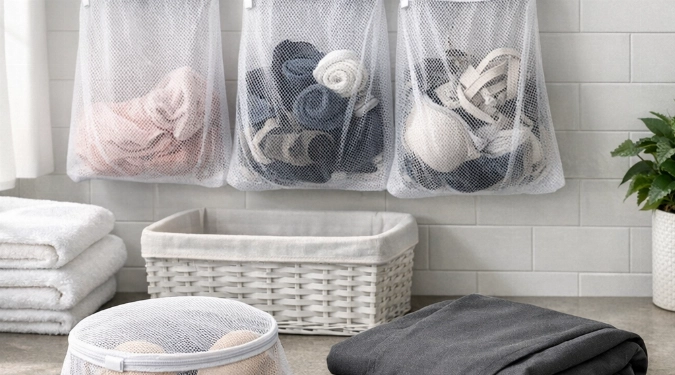
Choose the right bag for each fabric, and stop losing socks and straps. Learn where bags save clothing, and where they save your washer. You’ll get a simple sorting system, size picks, and brand-level specs. Then you can set up a routine that stays fast.
What To Bag And Why It Works
Bags do two jobs. They prevent snagging and stretching. They also keep small items from drifting into pump filters or gasket folds.
Bag anything with hooks, straps, or thin knits. Think bras, tights, swimwear, lace tops, and baby socks. Bag items with zippers too. That stops zipper teeth from scraping other fabrics.
Skip bags for bulky cotton towels and jeans. They need free movement for good soil removal. Use bags for organization, not as a substitute for proper cycles.
Match Bag Material To The Load
Mesh For Airflow
Mesh Laundry Bags are the default for most items. Airflow helps detergent rinse out. Look for soft seams and a zipper garage that covers the pull.
Tight Weave For Lint Control
Delicate Wash Bags with fine mesh reduce friction on knits. They also trap fuzz from sweaters. They can slow rinsing, so do not overfill them.
Thick Fabric For Heavy Items
Heavy Duty Laundry Sacks work for shoes, dog blankets, and mop heads. Choose reinforced stitching and a strong zipper track. If a bag flexes like paper, it will fail fast.
Pick The Right Closure So It Stays Shut
Zippers are best for delicates and anything small. Choose plastic coil zippers over metal. Metal can chip enamel on a washer drum over time.
Drawstring Laundry Bags fit awkward shapes, like dance gear or kids’ jerseys. Tie a double knot, then tuck the bow inside the bag. That cuts the chance of the string whipping around.
Use A Simple Sorting System That Sticks
Set up three bags where you undress. Label them “Delicates,” “Socks,” and “Straps.” You can hang them on hooks or inside a hamper frame.
Wash the Delicates bag once it is two-thirds full. Wash the Socks bag with your next warm load. Wash the Straps bag with activewear, so elastics see less heat.
This is Organized Washing Protection in practice. It keeps sorting time near zero. It also prevents “mystery items” from becoming washer gunk.
Bag Choices That Protect The Washer Too
Washing Machine Protection Bags matter most for tiny items. Infant socks and mask straps can slip into the door boot. They can also block a drain pump filter.
For front-loaders, avoid bags with long, loose strings. They can wrap around the agitator plate or snag the door gasket. For top-loaders with an impeller, use zip bags to avoid tangles.
Real-World Sizing And Fill Rules
Use a small bag for underwear and socks. Use a medium bag for bras and tees. Use a large bag for sweaters, but only one per bag.
Keep bags under 70% full. Clothes need space to tumble inside the bag. If you pack them tight, you trap soil and detergent.
As a quick check, you should be able to pinch the bag and feel air gaps. If it feels like a stuffed pillow, split it.
Special Cases: Travel, Wet Gear, Storage
Travel Laundry Bags help you separate clean and worn clothes in a suitcase. Pick one with a side handle and a breathable panel. That prevents odor buildup between stops.
Waterproof Laundry Bags are for swimsuits and gym gear on the way home. They are not ideal in the washer. Dry the bag open after use to prevent mildew smells.
Foldable Storage Laundry Bags are useful in small closets. Store spare bags and clothespins inside one. Keep it near detergent so you actually use it.
What To Look For When You Shop
Good bags have covered seams, a zipper garage, and heat-resistant mesh. Sets usually run about $10 to $25, depending on count and build. Larger heavy-duty bags often run $12 to $20 each.
Reliable brands include WashGuard, Whitmor, Gorilla Grip, Bagail, SimpleHouseware, and The Laundress. Check reviews for “zipper broke” mentions. One weak zipper ruins the system.
FAQs
How Do I Wash The Bags Themselves?
Turn bags inside out and run them with towels on warm. Skip fabric softener, since it can leave residue. Air dry to protect zipper coatings.
Do Bra And Lingerie Bags Replace Handwashing?
They reduce abrasion, but they do not copy handwashing. Use a gentle cycle and cold water for fragile lace. Fasten hooks before bagging to avoid snags.
Can I Put Shoes In A Bag?
Yes, but use a thick bag and remove loose insoles. Add a few towels to balance the load. Avoid hot water, since some glues can soften.
Disclaimer: The information provided in this article is for educational and informational purposes only. It does not constitute professional advice. Readers should conduct their own research and consult with qualified professionals before making any decisions.