
Knee Replacement Recovery: Understanding Your Walking Timeline
Knee replacement recovery is a gradual process, and one of the most common questions people have is how long it will take to walk normally after knee replacement surgery. This article explains the walking timeline after knee replacement, what to expect at each stage, and how recovery typically progresses based on widely understood patterns.
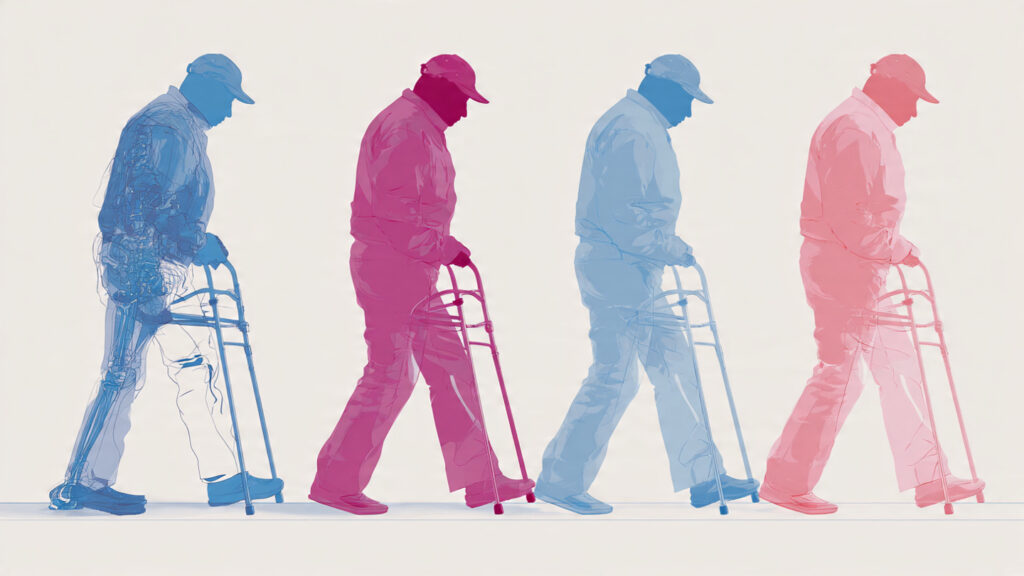
While recovery experiences can vary, there are general timeframes that help set realistic expectations. Understanding this timeline can make the process feel more manageable and less uncertain.
What Happens Immediately After Knee Replacement Surgery
In the first few days after surgery, walking usually begins with assistance. Most individuals are encouraged to stand and take a few steps with support, often using a walker or similar aid.
At this stage, movement is focused on regaining basic mobility rather than distance or speed. Walking may feel slow and cautious, and support is essential for balance and stability. This early phase is important because it helps reintroduce movement and prevent stiffness.
Week 1 to Week 3: Assisted Walking Becomes More Consistent
During the first few weeks, walking gradually becomes more frequent. Many individuals continue using a walker or transition to a cane as balance improves.
By this stage, short walks around the home or nearby areas become part of daily routine. The focus remains on building strength and confidence rather than increasing intensity. Movement may still feel limited, but consistency plays a key role in progress.
This period reflects the early phase of the walking after knee replacement surgery timeline, where steady improvement begins.
Week 4 to Week 6: Increased Independence in Walking
Around the one-month mark, many individuals notice improvements in mobility. Walking may become more stable, and some may begin reducing reliance on walking aids.
At this stage, distances may increase slightly, and movement often feels more natural compared to earlier weeks. However, walking may still not feel completely normal, and some stiffness or discomfort can remain.
This phase is often where individuals start regaining confidence in their ability to move independently.
Week 7 to Week 9: Moving Toward Normal Walking
Between weeks seven and nine, walking typically becomes smoother and more controlled. Many individuals can walk longer distances with fewer interruptions.
While some may still use support in certain situations, overall movement tends to feel more balanced. This stage often represents a transition point where walking begins to resemble normal patterns, although full recovery may still be ongoing.
This timeframe is commonly referenced when discussing how long it takes to walk normally after knee replacement.
8 to 12 Weeks: Approaching a More Natural Walking Pattern
By two to three months after surgery, many individuals are able to walk with minimal assistance. Movement often feels more fluid, and daily activities become easier to manage.
At this point, walking may feel close to normal for many people, although minor stiffness or fatigue can still occur. Continued improvement is expected as strength and flexibility develop over time.
This stage reflects a significant milestone in the knee replacement recovery timeline.
Factors That Influence Walking Recovery Time
Recovery timelines can vary based on several factors. Age, overall health, and activity level can all influence how quickly someone regains mobility.
Consistency in movement and following recovery routines can also affect progress. Some individuals may move through stages more quickly, while others may take additional time to reach similar milestones.
Understanding these variations helps set realistic expectations for the recovery process.
What “Walking Normally” Really Means
When discussing walking normally after knee replacement surgery, it’s important to understand that this does not always mean returning to pre-surgery movement immediately.
Instead, it refers to walking without significant assistance, maintaining balance, and moving with a steady, natural gait. This level of recovery develops gradually and may continue improving beyond the initial few months.
Long-Term Walking Recovery
Even after the initial recovery period, improvements can continue for several months. Strength, flexibility, and overall comfort often develop over time, contributing to better movement.
Long-term recovery focuses on maintaining mobility and supporting overall joint function. While early milestones are important, continued progress is part of the overall recovery journey.
Summary of Walking Timeline After Knee Replacement
| Recovery Stage | Walking Ability | Typical Experience |
|---|---|---|
| Days 1–7 | Assisted walking | Short steps with support |
| Weeks 1–3 | Limited independence | Walking with walker or cane |
| Weeks 4–6 | Improved mobility | Short distances with less support |
| Weeks 7–9 | More natural walking | Increased balance and control |
| Weeks 8–12 | Near-normal walking | Minimal assistance, better fluidity |
This timeline provides a general overview of how walking ability progresses during recovery.
Conclusion
Understanding the walking timeline after knee replacement surgery helps set realistic expectations for recovery. From assisted steps in the early days to more natural movement over time, progress typically occurs in stages. While timelines can vary, many individuals begin to walk more normally within a few months. By recognizing these phases, it becomes easier to navigate the recovery process with clarity and confidence.
Disclaimer
Disclaimer: The information provided in this article is for educational and informational purposes only. It does not constitute professional advice. Readers should conduct their own research and consult with qualified professionals before making any decisions.