
Kitchen Island Trends 2026: The New Look and Transformations
Kitchen islands are evolving rapidly, and kitchen island trends 2026 reflect a clear shift toward smarter design, better functionality, and more visible integration into modern living spaces. The reference article emphasizes how traditional bulky islands are being replaced with modern kitchen islands that prioritize openness, flexibility, and multi-purpose use.
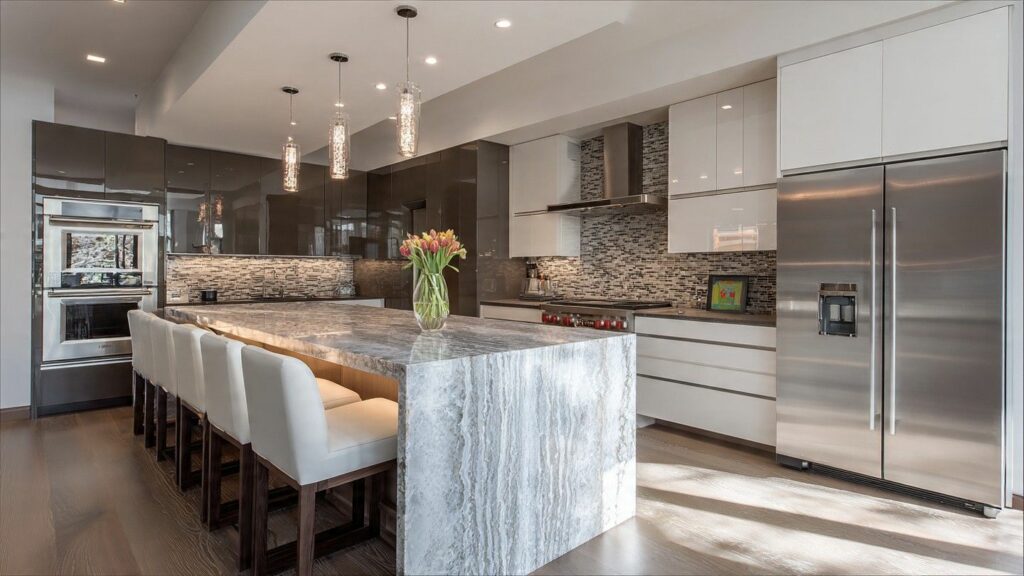
For homeowners exploring new kitchen island ideas or considering alternatives, 2026 trends focus on transforming the island from a static block into a dynamic centerpiece that adapts to daily life.
What’s Changing in Kitchen Island Design
The reference article highlights a major transformation: older kitchen islands are becoming less relevant as design priorities shift. Instead of large, heavy structures, newer designs emphasize space efficiency and visual flow.
Modern kitchens are moving toward layouts where islands serve multiple roles—preparation, dining, storage, and even workspace. This change reflects how kitchens are now central living areas rather than purely functional cooking zones.
Traditional vs 2026 Kitchen Island Designs
One of the clearest insights from the reference article is the contrast between older and newer island concepts.
| Feature | Traditional Kitchen Island | 2026 Kitchen Island Trends |
|---|---|---|
| Size & Shape | Large, fixed rectangular block | Flexible, varied shapes |
| Function | Primarily food prep | Multi-functional (prep, dining, work) |
| Visibility | Separate from living space | Integrated with open layouts |
| Storage | Closed cabinets | Mixed open + hidden storage |
| Technology | Minimal | Smart features and integrations |
This comparison shows how modern kitchen island design is shifting toward adaptability and visibility rather than static structure.
Multi-Functional Islands Are Becoming Standard
A key theme in kitchen island trends 2026 is functionality. Islands are no longer limited to one purpose. Instead, they are designed to handle multiple daily activities.
For example, a single island may include food preparation space, seating for casual dining, and built-in storage. Some designs also incorporate areas for remote work or social interaction, reflecting how kitchens are used throughout the day. This shift makes the island a central hub rather than just an add-on feature.
Open and Visible Kitchen Layouts
The reference article emphasizes that newer kitchen islands are designed to feel lighter and more open. This is especially important in modern homes where kitchens connect directly to living and dining areas.
Instead of heavy cabinetry that blocks sightlines, newer designs use cleaner lines and more open structures. This creates a sense of continuity throughout the space and allows the kitchen island to blend seamlessly with surrounding areas.
This trend supports the idea that kitchens are part of a larger living environment rather than isolated rooms.
Kitchen Island Alternatives Gaining Attention
Another important point in the reference article is the rise of kitchen island alternatives. Not every home benefits from a traditional island, and newer designs offer different solutions.
Alternatives include movable islands, extended countertops, or modular units that can be adjusted as needed. These options provide flexibility, especially in smaller kitchens or spaces where a fixed island may feel restrictive.
This trend reflects a broader shift toward customization and adaptability in kitchen design.
Smart Features in Modern Kitchen Islands
Technology is becoming a more visible part of modern kitchen island design. While not always the main focus, smart features are increasingly integrated into island layouts.
These may include built-in charging areas, lighting systems, or appliances designed to improve efficiency. The goal is not to overwhelm the space with technology, but to enhance usability in subtle ways.
As kitchens continue to evolve, these features are likely to become more common.
Materials and Finishes in 2026 Designs
Material choices are also changing in response to modern design preferences. The reference article points to a shift toward finishes that balance durability with visual appeal.
Natural textures, clean surfaces, and contrasting materials are often used to create interest without adding visual clutter. These choices help maintain the streamlined look that defines new kitchen island trends.
The focus is on materials that support both function and aesthetics.
Why Older Kitchen Islands Are Being Replaced
The reference article makes it clear that older kitchen island designs are not necessarily outdated, but they may not meet current lifestyle needs. Bulky, single-purpose islands can limit movement and reduce flexibility.
Newer designs address these limitations by offering more adaptable solutions. This is why many homeowners are exploring new kitchen island ideas that better align with modern living.
The transformation is less about replacing style and more about improving usability.
Choosing the Right Kitchen Island for Your Space
Selecting the right island involves considering how the space is used daily. Homeowners should think about whether they need more storage, seating, or workspace.
A well-designed island should support multiple activities without overwhelming the room. This balance is central to kitchen island trends 2026, where flexibility and integration are key. Understanding these priorities helps guide better design decisions.
Conclusion
Kitchen island trends in 2026 are defined by transformation. Traditional designs are giving way to modern kitchen islands that are flexible, multi-functional, and visually integrated into the home. From open layouts to adaptable alternatives, these changes reflect how kitchens are used today.
By focusing on functionality, design, and adaptability, homeowners can explore new kitchen island ideas that align with current trends while meeting practical needs.
Disclaimer
Disclaimer: The information provided in this article is for educational and informational purposes only. It does not constitute professional advice. Readers should conduct their own research and consult with qualified professionals before making any decisions.