
Innovative Pharma Packaging and Labeling Solutions for Efficient Patient Care
The intersection of medicine and manufacturing relies heavily on how a product is presented and protected. Innovative pharma packaging and labeling solutions are no longer just about putting pills in a bottle; they are about securing the supply chain, ensuring patient compliance, and maintaining the chemical stability of life-saving drugs. If you are exploring the role of pharmaceutical packaging companies and how they impact patient care, understanding these modern solutions is essential.
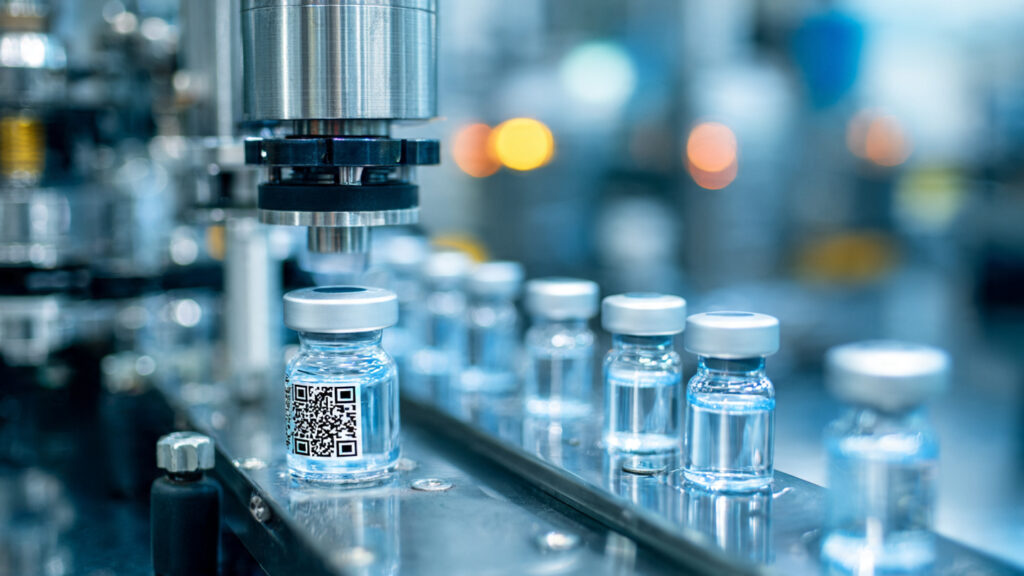
This guide explores the specific advancements in packaging labeling and storage of pharmaceuticals. We will look at how modern pharma packaging labeling services utilize smart materials, anti-counterfeiting measures, and automated systems like a print and apply labeler to streamline the journey of a medication from the factory floor directly to the patient’s hands.
The Importance of Advanced Pharmaceutical Packaging
The primary goal of any pharmaceutical packaging is absolute protection. Medications are sensitive chemical compounds that can degrade rapidly when exposed to light, moisture, or oxygen. A compromised package does not just ruin a product; it can actively harm a patient.+1
Modern pharma packaging companies use advanced barrier materials—such as specialized polymers and high-grade blister foils—to create micro-environments for each individual dose. Beyond physical protection, innovative packaging is increasingly designed with the patient in mind. Features like senior-friendly yet child-resistant caps, or blister packs printed with days of the week, directly improve medication adherence, ensuring patients take the right dose at the exact right time.+1
Technological Innovations in Labeling and Packaging
The process of labeling and packaging has evolved from simple printed stickers to highly sophisticated data management systems. Accuracy in this stage is critical, as a mislabeled drug can lead to a fatal dosing error.
- Smart Labels and RFID: Radio Frequency Identification (RFID) tags and QR codes are now frequently integrated into labels. These smart labels allow pharmacists and patients to scan a product to verify its authenticity, track its origin, and access digital inserts with comprehensive dosing instructions.+1
- The Print and Apply Labeler: Automation has transformed the production floor. A modern print and apply labeler can print unique, serialized data (like expiration dates and batch numbers) onto a label and adhere it to a vial or carton in milliseconds. This reduces human error to near zero and drastically speeds up the manufacturing process.
- Anti-Counterfeiting Measures: Pharma packaging labeling services now frequently employ tamper-evident seals, holographic labels, and microscopic taggants embedded in the ink to combat the global issue of counterfeit medications.
The Role of Professionals in This Sector
As the technology becomes more complex, the industry requires specialized knowledge to operate and regulate these systems. While some may search for specific packaging and labeling jobs, it is more helpful to understand the broad career paths necessary to maintain this infrastructure.
Professionals in this field often work as packaging engineers, designing the physical structure of the blister packs or vials to ensure stability. Quality assurance specialists are required to constantly monitor the packaging labeling and storage of pharmaceuticals to ensure compliance with strict FDA regulations. Regulatory affairs managers also play a crucial role, ensuring that every piece of information printed on a label meets international legal standards.
Environmental Considerations in Pharma Packaging
A growing focus within the industry is balancing the strict safety requirements of medical packaging with environmental sustainability. Traditional pharmaceutical packaging generates a significant amount of plastic and foil waste that is difficult to recycle due to potential chemical contamination.+1
Innovative companies are now developing solutions such as biodegradable blister packs made from plant-based polymers and using water-based inks for printing. Furthermore, optimizing the physical size of the packaging reduces the amount of raw material used and lowers the carbon footprint associated with shipping the medications globally.
Conclusion:Innovative pharma packaging and labeling solutions are the invisible backbone of modern healthcare. By utilizing advanced materials for protection and deploying precise automation tools like a print and apply labeler, pharmaceutical packaging companies ensure that medications remain safe, effective, and trackable. Understanding these complex systems highlights how critical proper packaging labeling and storage of pharmaceuticals is to achieving efficient and reliable patient care.
Disclaimer: The information provided in this article is for educational and informational purposes only. It does not constitute professional advice. Readers should conduct their own research and consult with qualified professionals before making any decisions.