
Informational Guide to TrumpRx Inhaler Coverage in 2026
This informational guide explains how TrumpRx inhaler coverage works in 2026, focusing on the real-world difference between insurance formulary coverage and a discount-price pathway at the pharmacy counter. It breaks down what to ask before refills, why prices change, typical out-of-pocket ranges for rescue and maintenance inhalers, and how to compare options for asthma and COPD without mixing up “best fit” with “lowest cost.” You’ll also find a practical inhaler list, notes on Medicare-related coverage concepts, and an FAQ that clarifies common denial reasons like prior authorization and step therapy.
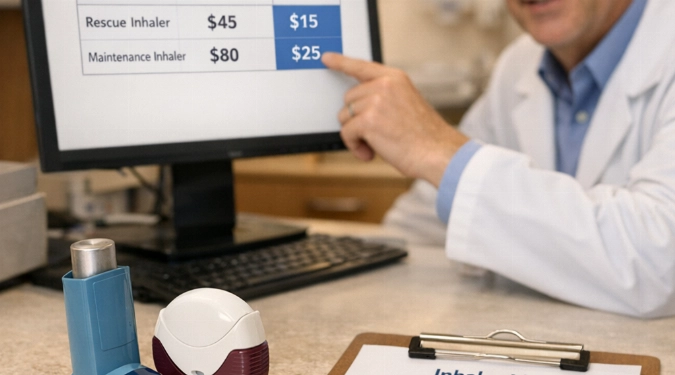
Trying to pin down TrumpRx inhaler coverage in 2026 can feel like chasing moving targets: formularies change, prior authorizations pop up, and the same inhaler can cost wildly different amounts depending on how it’s billed. This guide centers on what TrumpRx typically affects (coverage rules and pricing pathways), what to ask before you refill, and how to compare options safely.
What TrumpRx Coverage Usually Means In 2026
TrumpRx is commonly discussed as a prescription discount and pricing program rather than a health insurance plan. That distinction matters because “covered” can mean different things: an insurer may cover an inhaler through its formulary, while TrumpRx may provide a discounted cash price or a separate price pathway at participating pharmacies. In practice, people often compare their insurance copay to a TrumpRx price and use whichever is lower at the counter.
When readers look for Copd Inhalers Covered by Medicare, they are typically talking about Part D (retail prescriptions) or Part B (nebulized medications in specific circumstances). TrumpRx does not replace those benefits, but it can be a backup pricing option if a plan doesn’t cover a device, if a deductible is still being met, or if a pharmacy cash price is unusually high.
TrumpRx Steps To Confirm Inhaler Coverage Before You Refill
Because inhalers are device-drug combinations, small details (brand vs. authorized generic, dose counter version, HFA vs. DPI) can change the price you’re quoted. Use this quick check to avoid surprise totals at pickup.
- Write down the exact product name and strength (for example, Symbicort 160/4.5 or Advair Diskus 250/50) and whether it is a metered-dose inhaler or dry powder inhaler.
- Ask the pharmacy to run both pathways: your insurance and the TrumpRx discount price, then compare the final out-of-pocket totals.
- If the claim rejects, ask whether it’s due to prior authorization, quantity limits, step therapy, or a non-preferred brand.
- Request alternatives by category (rescue vs. maintenance) so you can compare like-for-like options, not random substitutions.
Typical 2026 Cost Ranges And What Drives Them
People researching Inhaler Costs Without Insurance often see broad ranges because list prices, pharmacy cash prices, and coupon-style prices don’t match. As a general reference, many brand-name maintenance inhalers land around $250–$550 per inhaler, and common brand rescue inhalers are often $50–$120. Some generics may price lower, but availability and contracted rates vary.
For Trumprx Asthma Inhaler Prices, the most accurate expectation is “variable by pharmacy and product.” A discount price may undercut a cash price, but it can also be higher than an insurance copay once a deductible is met. The only reliable method is to compare both at the same pharmacy with the same National Drug Code.
Inhaler List And Brand Examples People Commonly Compare
Below is an educational Inhaler List of commonly discussed products (availability and coverage vary by plan and pharmacy): albuterol HFA (generic equivalents of ProAir/Proventil/Ventolin), levalbuterol (Xopenex), budesonide/formoterol (Symbicort and some generics), fluticasone/salmeterol (Advair and generics such as Wixela Inhub), fluticasone/vilanterol (Breo Ellipta), tiotropium (Spiriva HandiHaler/Respimat), umeclidinium/vilanterol (Anoro Ellipta), and fluticasone/umeclidinium/vilanterol (Trelegy Ellipta).
If you are building a List of Top Asthma Inhaler Brands, the same names often appear alongside controller options like Flovent HFA (some strengths discontinued but therapeutic alternatives exist), QVAR RediHaler, Pulmicort, and combination products. The key TrumpRx question is not “Is it popular?” but “Is this exact version priced favorably at my pharmacy today?”
How People Compare “Best” vs. “Lowest Cost” Without Guessing
Searches for the Best Inhaler for Copd are usually about fit: device style, dosing schedule, and whether a product is a rescue or a maintenance controller. Separately, Cheapest Copd Inhalers is a price question. In 2026, a practical way to keep both goals in view is to compare (1) clinically intended role (rescue vs. maintenance), (2) device you can use correctly, and (3) total monthly out-of-pocket under insurance vs. TrumpRx pricing.
If your plan denies a product, your prescriber may be asked to document why a formulary alternative isn’t appropriate. That documentation step often matters more than the sticker price when you are trying to keep therapy consistent.
When “Free” Inhalers Are Realistic And What Usually Qualifies
The phrase Free Inhalers for Copd is most realistic through manufacturer patient assistance programs (PAPs) for eligible people with low income and limited coverage, or through certain safety-net clinics that can dispense medications via 340B pricing. These programs typically require an application, income documentation, and a prescription. TrumpRx may still help if you do not qualify for assistance or need an interim price while paperwork is processed.
Emergency Use Language: Staying Educational And Safe
People often search for asthma attack treatment and acute severe asthma treatment when symptoms escalate quickly. Inhaler coverage is important, but emergencies are about timely care. Rescue inhalers like albuterol are commonly used for rapid relief, while severe attacks may require urgent evaluation and additional treatments (often including oxygen, nebulized bronchodilators, and systemic corticosteroids) based on clinician assessment. Coverage questions are best handled before the next refill so access isn’t decided in a crisis.
FAQ: TrumpRx Inhaler Coverage In 2026
Does TrumpRx Make An Inhaler “Covered”?
Usually, no. It more often provides a discounted cash price pathway. Insurance “coverage” is determined by a plan formulary and its rules, while TrumpRx is a separate pricing option you can compare at the pharmacy.
Can I Use TrumpRx If My Inhaler Is On My Plan Formulary?
Often, yes, but you typically use one pathway per fill. Many people ask the pharmacy to run both and then choose the lower out-of-pocket option for that transaction.
Why Did The Price Change From Last Month?
Common reasons include a formulary tier change, deductible status, a different NDC (brand vs. generic), pharmacy network changes, or updated discount pricing. Confirm the exact product and billing pathway.
What If My Inhaler Requires Prior Authorization?
A prior authorization means the plan wants additional documentation before paying. Ask which alternatives are preferred and whether a temporary fill is possible while paperwork is reviewed.
Conclusion
TrumpRx inhaler coverage in 2026 is best understood as a pricing tool you can compare against insurance, not a guarantee that any inhaler is “covered.” If you confirm the exact product, run both price pathways, and understand formulary rules like prior authorization and step therapy, you can avoid most refill surprises and keep your controller and rescue access steadier across the year.
Disclaimer: The information provided in this article is for educational and informational purposes only. It does not constitute professional advice. Readers should conduct their own research and consult with qualified professionals before making any decisions.