
Impactful and Flexible Medicine Delivery Driver Jobs
Medicine delivery driver jobs can offer flexible scheduling while supporting patients who rely on timely prescriptions. This article explains what the role involves, the common compliance expectations (privacy, documentation, temperature control), and how route types differ between pharmacy-to-home stops, facility runs, and specialty deliveries. You’ll also learn what typically shapes earning potential, plus a grounded overview of what it takes to start a medicine delivery service with solid operating procedures.
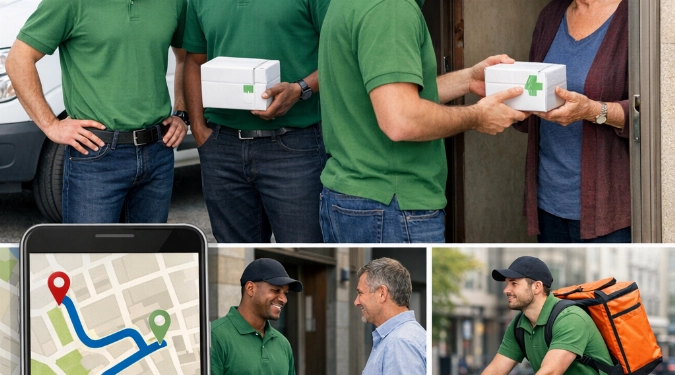
Medicine delivery driver jobs sit at the intersection of flexibility and real-world impact: you’re moving time-sensitive prescriptions from pharmacies, clinics, or distribution hubs to the people who depend on them. The work looks simple from the outside, but doing it well means understanding privacy, temperature control, and reliable route habits.
What The Role Actually Looks Like Day To Day
Most medicine delivery routes involve pharmacy-to-home drop-offs, pharmacy-to-facility runs (assisted living, rehab, hospice), or clinic-to-clinic transfers. A typical shift includes scanning or logging packages, following a planned route on a map app, and completing proof of delivery. Some routes are van-based with multiple stops, while others may be bike-based in dense areas, as long as temperature and security needs are met.
Why This Work Feels Impactful And Still Flexible
Delivering prescriptions can reduce missed doses for patients with mobility limits, caregivers juggling schedules, or people recovering from surgery. Flexibility often comes from route blocks and scheduled windows rather than a fixed office schedule. The trade-off is that punctuality matters, especially for same-day needs, facility medication cycles, or time-sensitive specialty shipments.
Medicine Delivery Driver Requirements To Know Up Front
Common medicine delivery driver requirements include a valid driver’s license, a clean driving record, and passing background screening. Because you may handle protected health information, many companies add HIPAA training, signature procedures, and strict “no package left unattended” rules. If you transport temperature-sensitive medications, you may be expected to use insulated totes, gel packs, and a thermometer log to show the load stayed within range.
How To Become A Delivery Driver For Medicine
If you’re researching how to become a delivery driver for medicine, start by choosing the lane you want: employee roles with pharmacies/couriers, independent contractor work with delivery networks, or medical logistics companies handling specialty shipments. Build a simple resume that emphasizes safe driving, customer-facing reliability, and any chain-of-custody experience. Expect onboarding to cover identity verification, route apps, delivery documentation, and privacy basics.
Route Types And Vehicles You May See
Medicine delivery isn’t one-size-fits-all. Understanding the main route types helps you pick a schedule and setup that fits your life.
- Local multi-stop routes: Common for retail pharmacies, often using a personal car or a small fleet van.
- Facility runs: Repeating schedules to nursing facilities, usually with stricter sign-off procedures.
- Stat or on-demand: Fewer stops, tighter time windows, and more emphasis on navigation skill.
- Specialty and cold-chain: May involve cooler systems, insulated shippers, and documented handling steps.
Practical Tips For Medicine Delivery Driving
These tips for medicine delivery driving focus on accuracy and calm execution, not speed at all costs.
- Confirm address details before you leave the pickup point, including gate codes and facility entrances.
- Separate deliveries by stop order, using bins or numbered bags to prevent mix-ups.
- Plan for temperature control: keep meds out of direct sunlight, don’t leave totes in a hot trunk, and follow any “refrigerate upon arrival” notes.
- Protect privacy: avoid discussing medication details at the door and keep labels turned inward when possible.
Earning Potential And What Influences It
Earning potential for medicine delivery drivers typically depends on route density, miles, service area traffic, and whether you’re paid per stop, per hour, or per route block. Specialty deliveries with extra handling steps may pay differently than standard pharmacy drop-offs. Costs can include fuel, maintenance, and insurance if you use your own vehicle, so it helps to track mileage and time by route to understand what’s truly sustainable.
Starting A Medicine Delivery Service
If you’re thinking about starting a medicine delivery service, the “impactful and flexible” promise only holds when operations are tight. You’ll need written standard operating procedures for chain of custody, missed deliveries, returns, and incident reporting. Many new operators also set up HIPAA training, driver agreements, and a secure process for proof-of-delivery photos or signatures.
Compliance And Operations Basics
At minimum, define how medications are stored in transit, who can accept a package, and what happens if the recipient is unavailable. If you plan to handle refrigerated or specialty meds, build a temperature-control process (insulated containers, coolant packs, time limits, and logs). For dispatch, common tools include route optimization software such as Onfleet or Routific, and barcode scanning workflows that reduce documentation errors.
FAQ
Do Medicine Delivery Drivers Need Special Certification?
Often no formal certification is required, but HIPAA training, background checks, and documented handling procedures are common. Cold-chain routes may add temperature logging steps and stricter packaging rules.
Can Deliveries Be Done By Bike Or Only By Van?
Some urban routes can be bike-based if package security and temperature requirements can be maintained. Multi-stop pharmacy routes and facility runs are more commonly handled with a car or van due to volume and time windows.
What Makes A “Good” Delivery In This Field?
A good delivery is accurate, on time, and properly documented. That includes correct recipient verification, clear proof of delivery, and handling that protects privacy and temperature requirements.
Conclusion
Impactful and flexible medicine delivery driver jobs are built on trust: patients and facilities rely on drivers who protect privacy, follow chain-of-custody steps, and deliver consistently. Use this medicine delivery driver guide to match route types to your schedule, understand expectations, and decide whether you’re better suited to driving as part of a network or starting your own operation.
Disclaimer: The information provided in this article is for educational and informational purposes only. It does not constitute professional advice. Readers should conduct their own research and consult with qualified professionals before making any decisions.