
HUD Senior Housing Assistance Guide for Seniors
Navigating retirement on a fixed income can be financially challenging, especially when housing costs continue to rise. HUD senior housing assistance exists specifically to bridge this gap, ensuring that older adults have access to safe, decent, and affordable living arrangements. If you are struggling with rent or are looking for a more manageable living situation, understanding how these federal programs work is the first step toward security.
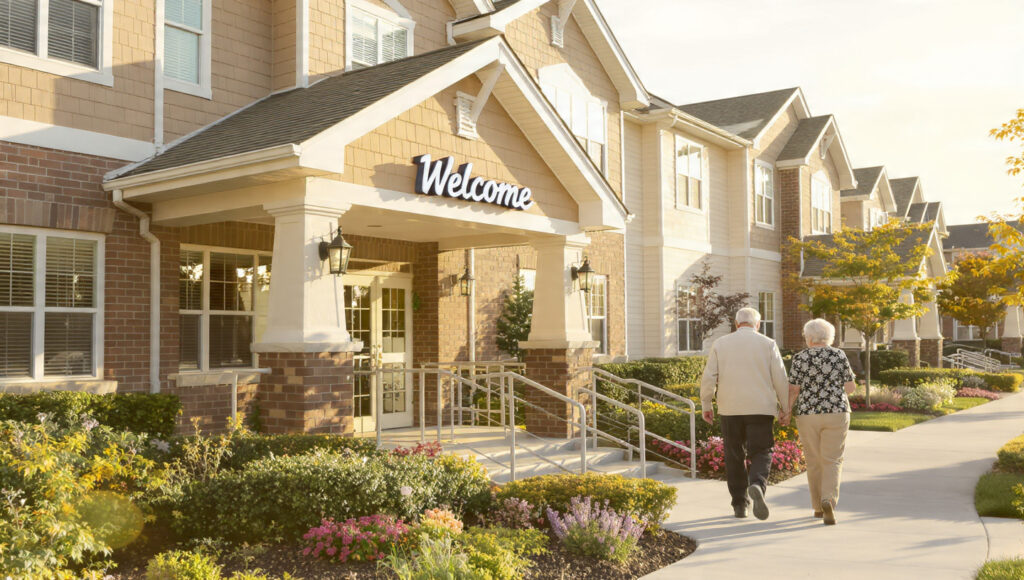
This HUD senior housing assistance guide for seniors breaks down exactly what programs are available, who qualifies, and how to apply. We will explore the specific senior housing assistance programs designed for your needs, including Section 202 and Section 8, and explain how HUD housing assistance for seniors can reduce your housing expenses to a manageable fraction of your income.
Understanding HUD Senior Housing Assistance
HUD housing assistance for seniors is not a single building or loan; it is a collection of programs managed by the U.S. Department of Housing and Urban Development (HUD). The primary goal of these initiatives is to subsidize rent for low-income seniors so they can age in place with dignity.
In most senior housing assistance programs, your rent contribution is calculated based on your ability to pay rather than the market rate. Typically, a participant pays 30% of their adjusted monthly income toward rent, and the federal government covers the rest. This ensures that you have money left over for other essentials like food, medicine, and utilities.
Who Qualifies for Assistance?
To be eligible for HUD senior housing assistance, you generally must meet specific age and income criteria. While rules can vary slightly by program and location, the standard requirements include:
- Age: You must typically be at least 62 years old. Some programs may accept households with a head of household who is 55+, but 62 is the standard for HUD’s dedicated senior programs.
- Income: Your household income must fall within the “Low” or “Very Low” income limits for your area. This is usually defined as 50% or less of the Area Median Income (AMI).
- Citizenship: You must be a U.S. citizen or have eligible immigration status.
Key HUD Housing Programs for Seniors
There are three main pathways to secure housing through HUD. Understanding the difference between them will help you decide which waiting lists to join.
Section 202: Supportive Housing for the Elderly
This is the only HUD program specifically designed exclusively for seniors. Section 202 provides capital advances to private, non-profit organizations to build housing for the elderly.
- What it is: These are apartment communities strictly for residents aged 62 and older.
- Benefits: Beyond just a roof, these communities often include supportive services like cleaning, cooking assistance, and transportation. They are built with senior accessibility in mind (grab bars, ramps, elevators).
- Cost: Tenants pay 30% of their net income for rent.
Housing Choice Vouchers (Section 8)
The Housing Choice Voucher program is not specific to seniors, but it is one of the most common forms of HUD senior housing assistance used by older adults.
- What it is: A voucher that allows you to find your own housing in the private market. You can rent a single-family home, apartment, or townhome as long as the landlord accepts the voucher and the unit passes a safety inspection.
- Benefits: It offers flexibility. You can choose where you want to live, including moving closer to family or medical providers.
- Cost: The Public Housing Agency (PHA) pays a subsidy directly to the landlord, and you pay the difference (roughly 30% of your income).
Public Housing
Public housing comes in all shapes and sizes, from high-rise apartments to scattered single-family homes.
- What it is: Housing that is owned and managed by a local Public Housing Agency (PHA).
- Benefits: These units are often the most affordable option and may have dedicated “senior-only” buildings within a larger development, offering a quieter environment and community activities.
- Cost: Like other programs, rent is based on a percentage of your income.
The Application Process Explained
Applying for senior housing assistance programs requires patience and organization. Because demand often exceeds supply, waiting lists can be long.
- Contact Your Local PHA: Your first step is to locate your local Public Housing Agency. They manage the waiting lists for Section 8 and Public Housing.
- Gather Documentation: You will need to prove your eligibility. Have your birth certificate, social security card, proof of income (Social Security award letters, pension statements), and bank statements ready.
- Apply to Specific Section 202 Buildings: Unlike Section 8, you often apply for Section 202 housing directly at the building you are interested in. You can find these properties using HUD’s online mapping tools.
- Stay Active on the Waitlist: Once applied, you must update your information immediately if your address or income changes. Failure to respond to a notice can result in being dropped from the list.
Making the Most of Senior Housing
Securing HUD housing assistance for seniors does more than solve a financial problem; it opens the door to a supportive community. Many HUD-assisted senior properties employ “Service Coordinators.” These are professionals whose sole job is to help residents access other benefits they are entitled to, such as Meals on Wheels, transportation services, or Medicare assistance.
By moving into a community designed for affordable senior living, you gain a network of peers and resources that help maintain your independence.
Frequently Asked Questions
Can I own a pet in HUD senior housing? Yes. By law, residents in public housing and Section 202 housing for the elderly are allowed to own common household pets, subject to reasonable rules regarding size and behavior set by the building management.
What if my income changes? In senior housing assistance programs, your rent is tied to your income. If your income drops (due to medical costs or other factors), your rent can be lowered. You must report income changes to your housing administrator immediately so your rent can be adjusted.
Can I have a live-in aide? Yes. If a doctor certifies that you need a live-in aide for essential care and support, HUD rules generally allow for an aide to live with you. Their income is usually not counted toward the household income limit for rent calculation purposes.
Conclusion: HUD senior housing assistance provides a vital safety net, allowing you to focus on your health and happiness rather than worrying about eviction or soaring rents. Whether you choose the independence of a Housing Choice Voucher or the community support of a Section 202 apartment, these senior housing assistance programs are designed to help you age with dignity. Start by gathering your documents and contacting your local housing authority today to see which options are available in your area.