
How to Navigate Credit Cards That Skip Credit Checks
No-credit-check credit cards can sound like an instant solution, but the real skill is knowing what “no check” actually means and how to avoid products that bury costs in fees. This article explains the main card types that may skip a hard inquiry, how to compare secured cards vs. retail cards vs. prepaid products, and which terms matter most for rebuilding. You’ll also get a practical checklist for spotting red flags, using the card safely to strengthen payment history, and understanding how “no credit check” works differently for startup business card-style accounts that may rely on cash flow or bank data instead of a traditional pull.
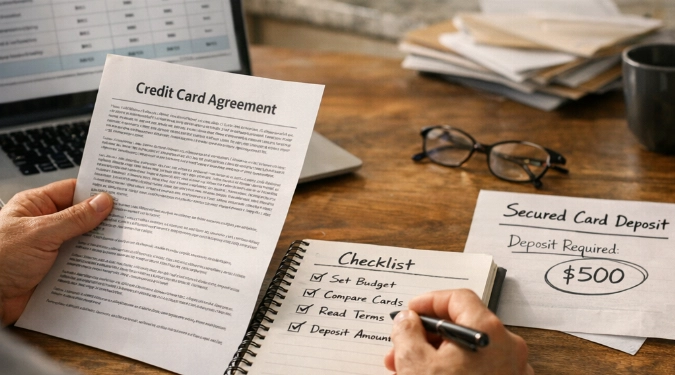
“No credit check” sounds like a fast pass, but the fine print matters. Here’s how to navigate credit cards that skip credit checks—what they usually are, what they cost in practice, what to watch for, and how to use them to rebuild without stepping into expensive traps.
What “Skipping A Credit Check” Usually Means
Most issuers still need to verify identity, and many will still review banking history or alternative data. “No credit check” commonly means there’s no hard inquiry with the big bureaus during approval, not that the card is risk-free or that approval is automatic. In practice, these offers tend to fall into three buckets: secured credit cards, store cards with lighter underwriting, and prepaid or debit-like products that are marketed like credit.
Common Card Types And How To Choose The Right One
Secured Credit Cards
Secured cards typically require a refundable deposit that sets your credit limit. They’re often the clearest path if your goal is rebuilding, because many issuers report monthly activity to the major bureaus. Examples people compare include Discover it® Secured, Capital One Platinum Secured, and OpenSky® Secured (OpenSky is known for not using a credit check for approval). A strong secured card is one that reports to all three bureaus, has a straightforward graduation path, and does not push expensive add-ons.
Retail And Gas Cards
Store and gas cards can be easier to qualify for than general-purpose cards, but they’re narrow: you can only use them at certain merchants or networks. Limits may start low, and interest charges can be high if you carry a balance. If you choose one, the “win” is building on-time payment history—so it only helps if you can pay in full by the due date.
Prepaid Cards Marketed Like Credit
Prepaid products can be useful for budgeting, but they don’t build credit unless there’s a reporting component—and many don’t report as a credit line. If the goal is credit-building, verify reporting in writing before you treat it like a rebuild tool.
How Costs Show Up Without Talking In Price Tags
Credit-check-free offers often shift cost into fees and structure. Watch for application or processing fees, monthly account maintenance fees, and “credit builder” subscriptions. Also compare penalty APR triggers, late-payment fees, and foreign transaction fees. A simple rule: the more complicated the fee schedule, the more carefully you should read the cardholder agreement.
Red Flags That Suggest You Should Walk Away
- Upfront “processing” charges that feel disconnected from actual credit use
- Pressure to add paid identity monitoring or “benefits packages” to be approved
- Vague claims about approval without stating reporting behavior
- A card that doesn’t clearly disclose the issuing bank or customer service process
These patterns can matter more than the marketing label, because the wrong product can drain money while doing little for your credit profile.
How To Use These Cards To Rebuild Credit Safely
Credit building is usually about consistency, not speed. Keep utilization low relative to your limit, pay on time every month, and consider setting autopay for at least the minimum due. If you can, paying the statement balance in full avoids interest and keeps your progress sustainable. Many people see meaningful score movement over several billing cycles, but timelines vary depending on your file (thin vs. damaged) and whether negative items are still reporting.
Business Versions: What “No Credit Check” Can Mean For Startups
If you’re evaluating Startup Business Credit Cards With No Credit Check, know that true credit-card style accounts without any underwriting are uncommon. What you’ll more often see are corporate cards tied to cash flow, charge cards, or vendor accounts that may use bank data, revenue, or EIN-based profiles rather than a personal hard pull. Examples in the broader “alternative underwriting” space include Brex and Ramp (typically cash-flow focused) and Divvy (Bill). For early-stage founders, the key is matching the product to how you actually spend: recurring software, inventory, travel, or ad platforms—then confirming reporting, limits, and whether personal guarantees apply.
Special Situations And Search Terms People Use
Search phrases can be messy, and some readers look for Credit Cards With No Credit Checks For People With Bad Credit In MH. If you’re using that phrase, treat it as a starting point and still verify the essentials: whether it’s secured vs. unsecured, whether there’s a hard inquiry, whether it reports to bureaus, and what fees apply. Your safest “navigation move” is turning marketing language into a checklist you can confirm before opening the account.
FAQs
Do No-Credit-Check Cards Build Credit?
They can, but only if the account reports to the major credit bureaus as a credit line. Many secured cards do; many prepaid products do not. Always confirm reporting and whether it’s to one, two, or all three bureaus.
Will I Still Go Through Identity Verification?
Typically, yes. Even when an issuer doesn’t run a traditional credit check, they may verify identity with public records, banking data, or specialty consumer reporting agencies to meet fraud and compliance requirements.
Are Unsecured No-Credit-Check Cards Real?
They exist, but they’re less common and may come with more fees or lower limits. Compare them against secured cards first; the secured route is often clearer and more transparent for rebuilding.
What’s The Biggest Mistake People Make With These Cards?
Assuming “no credit check” means “no consequences.” Late payments, high utilization, and high fees can still hurt your finances—and if the account reports, negative activity can still impact your credit.
Conclusion
Navigating credit cards that skip credit checks comes down to translating the label into specifics: what type of product it is, what it truly checks, what it costs through fees and terms, and whether it reports in a way that supports rebuilding. Choose the simplest structure you can verify, use it lightly, and pay consistently so the account works for you—not the other way around.
Disclaimer: The information provided in this article is for educational and informational purposes only. It does not constitute professional advice. Readers should conduct their own research and consult with qualified professionals before making any decisions.