
How Low Income Hardship Grants Assist with Bill Payments
Low income hardship grants can help cover essential bill payments when a household faces a sudden setback, such as a shutoff notice, rent arrears, or an unexpected expense that throws the budget off. This article explains how hardship funding typically works, which bills are most often covered, why many programs pay providers directly, and what documents usually speed up review. You will also learn where emergency grants commonly come from, what to expect after you submit an application, and how support for families is often prioritized during housing or utility crises.
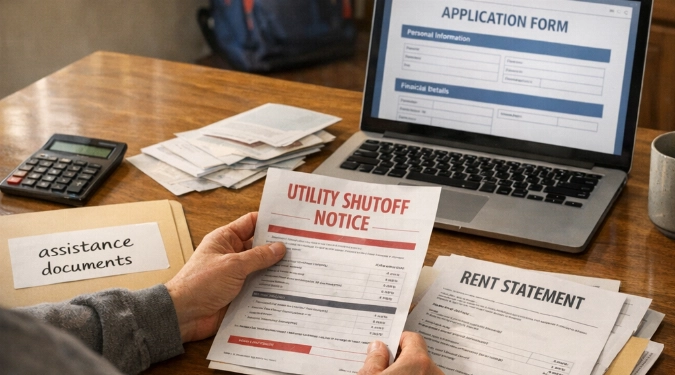
Your lights, rent, and phone bill do not wait for payday. Low income hardship grants can sometimes bridge that gap by covering a specific overdue bill, preventing shutoffs, or stabilizing a household after a sudden setback. The key is knowing which programs can help, what they typically pay for, and how to present your situation clearly.
What Hardship Grants Actually Do for Bill Payments
Hardship grants are a form of Hardship Funding designed to reduce immediate risk, such as utility disconnection, eviction, or loss of transportation to work. Unlike a loan, a grant does not typically require repayment, but it also usually comes with strict rules about what expenses qualify and how payments are issued.
For Bill Assistance, many programs pay the provider directly rather than giving cash to the applicant. This is common for electric, gas, water, rent arrears, and sometimes essential car repairs tied to employment. If you need to Pay Your Bills quickly, direct-to-provider payment can be faster and easier to document, but it means you should have account numbers and past-due notices ready.
Bills That Are Most Commonly Covered
Most low income programs focus on essential, safety-related needs. In practice, that means grants and crisis funds tend to prioritize keeping housing stable and utilities on.
- Utilities: Past-due electric, gas, water, heating oil, and in some areas sewer bills.
- Housing: Rent arrears to avoid eviction, security deposits in limited cases, and emergency shelter-related costs.
- Food And Basics: Short-term grocery support through local partners, freeing cash for urgent bills.
- Phone/Internet: Sometimes supported through targeted affordability programs rather than one-time grants.
This is where Low Income Help is most effective: covering a narrowly defined crisis bill so a household can regain control without falling further behind.
Where Emergency Grants Usually Come From
When people search for Emergency Grants, they are often seeing a mix of government-administered programs and community-based funds. The biggest difference is eligibility rules and the paperwork required.
Common Public Programs
LIHEAP (Low Income Home Energy Assistance Program) can help with heating or cooling costs, including a crisis benefit for shutoff notices in many states. If rent is the urgent problem, Emergency Rental Assistance is often administered locally when funded, and eligibility may depend on income, housing instability, and documentation of arrears. TANF (Temporary Assistance for Needy Families) can sometimes address short-term emergencies for eligible households, especially those with children.
Community And Nonprofit Options
United Way’s 211 referral system can connect you to local funds that provide Financial Relief for utilities or rent. The Salvation Army and Catholic Charities frequently offer one-time assistance when resources are available, often requiring proof of hardship and a plan to sustain payments afterward. These sources can be especially important for Support for Families facing a temporary disruption like reduced hours or a medical bill.
How Grant Applications Are Evaluated
Even when a program advertises Quick Cash Grants, reviewers typically look for the same core items: a current crisis, proof of income, proof of residence, a bill in your name (or lease), and evidence the payment will prevent a larger harm (shutoff, eviction, unsafe living conditions). Many agencies also ask what changed recently and whether the problem is short-term or ongoing.
To Get Financial Aid faster, gather documents before you start: photo ID, lease, recent pay stubs or benefit letters, the shutoff/eviction notice, and the vendor’s mailing address for payment. When a site says Apply Now, treat it as a prompt to begin the process, not a promise of approval or immediate cash.
What to Expect After You Apply
Timelines vary. Some utility crisis programs can process within days during a documented shutoff risk, while rent programs may take longer due to landlord verification. Many grants are one-time or limited to one benefit period, so ask what happens if you fall behind again and whether budgeting or payment plans are part of the support.
If you are denied, request the reason in writing when possible. A denial is often about missing documents, being outside the income threshold, or applying for a bill type the program does not cover. Fixing one issue and reapplying to a better-matched fund can be more productive than submitting the same packet repeatedly.
FAQ
Can Hardship Grants Pay My Utility Bill Directly?
Yes, many programs pay the utility company directly after verifying the account and the past-due amount. This approach reduces misuse risk and helps ensure the assistance prevents disconnection.
Are There Grants for Rent and Eviction Prevention?
Often, yes, through locally administered rental assistance or nonprofit emergency funds when available. These programs commonly require a lease, arrears documentation, and landlord participation or verification.
Do I Have to Repay a Hardship Grant?
Typically no, but you may be required to meet eligibility rules, use funds only for the approved bill, and provide documentation. If the assistance is actually a loan or advance, the program should disclose repayment terms clearly.
What If I Need Help with Multiple Bills at Once?
Many agencies prioritize one crisis bill per application cycle. A practical approach is to address the most urgent threat first (like shutoff or eviction), then seek additional resources for remaining balances through other programs or payment plans.
Conclusion
Low income hardship grants assist with bill payments by targeting urgent, essential expenses, verifying the crisis, and often paying providers directly. When you match the right program to the right bill, bring clear documentation, and explain the short-term hardship, you improve your chances of stabilizing your household and moving forward.
Disclaimer: The information provided in this article is for educational and informational purposes only. It does not constitute professional advice. Readers should conduct their own research and consult with qualified professionals before making any decisions.