
Hot vs. Cold Water: How Each Really Affects Your Body
Drinking water seems simple, but temperature can change how your body responds. Many people wonder if Cold Water for Weight Loss is real, whether Warm Water for Weight Loss is more effective, or if Drinking Cold Water and Belly Fat are connected. The truth is that both hot and cold water affect digestion, circulation, metabolism, and comfort in different ways, and understanding those differences can help you make smarter daily choices.
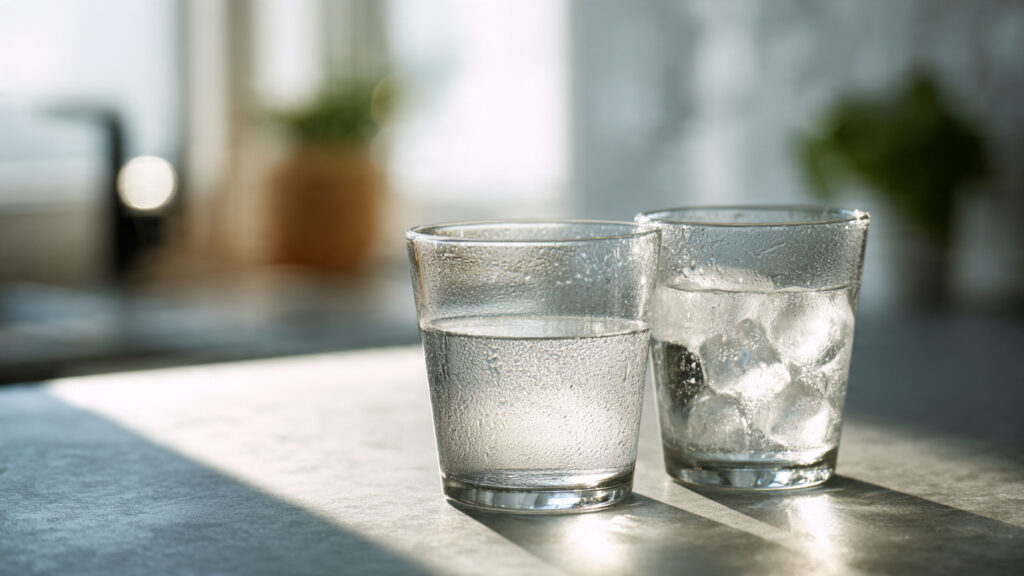
What Happens When You Drink Cold Water?
When you drink cold water, your body has to slightly warm it to match internal body temperature. This is where the idea of “cold water burning calories” comes from. The effect is real but small. Common effects of drinking cold water include:
- Faster cooling after workouts or in hot climates
- Possible tightening of the throat or stomach for those prone to sensitivity
- A refreshing effect that encourages better hydration
Cold Water and Weight Loss: Is It Real?
The claim that Drinking Cold Water and Belly Fat are directly linked is often exaggerated. Cold water does not “melt” fat. However, it can support weight loss indirectly through hydration and appetite control.
The calorie burn from warming cold water exists, but it’s usually only a few extra calories per glass. So while Cold Water for Weight Loss can help as part of a healthy lifestyle, it is not a shortcut.
The Role of Cold Water Fridges and Dispensers
Modern convenience has made cold water more accessible than ever. A Cold Water Fridge or Refrigerator with Cold Water Dispenser makes it easier to stay hydrated throughout the day without constantly refilling ice trays. If having a fridge dispenser encourages you to drink more water daily, it can have a meaningful long-term impact on health, even if the water is cold.
What Happens When You Drink Warm or Hot Water?
Warm water may help stimulate circulation and can relax muscles in the digestive tract, making it easier for some people to digest food comfortably. Warm water is commonly used for supporting digestion after heavy meals, reducing bloating sensations, relaxing the body before bed, and soothing sore throats or congestion.
Warm Water for Weight Loss: What It Can and Cannot Do
The idea of Warm Water for Weight Loss is also partly true, but not because warm water magically burns fat. Warm water can support weight loss by helping digestion and reducing overeating. Warm water may contribute to healthier habits by: making you feel satisfied sooner, supporting digestion, reducing bloating discomfort and encouraging mindful eating when consumed slowly.
Warm water is especially popular in the morning because it can help people feel “reset” and more comfortable after waking up.
Which One Is Better for Digestion?
Warm water is usually the better option for digestion, especially if you experience bloating, cramps, or slow digestion. Cold water can sometimes slow stomach activity temporarily because the body needs to warm it first. However, digestion is personal. Some people tolerate cold water perfectly, while others feel discomfort.
Cold vs. Warm Water: When Each Makes the Most Sense
Cold water may be better when:
- You are sweating or exercising
- You feel overheated
- You need a refreshing hydration boost
- You enjoy the taste and drink more water that way
Warm water may be better when:
- You have digestive discomfort
- You are trying to relax before sleep
- You wake up dehydrated in the morning
- You have sinus congestion or sore throat symptoms
Frequently Asked Questions (FAQ)
Does drinking cold water really burn fat?
Cold water does not directly burn fat, but your body does use a small amount of energy to warm it. The calorie burn is minimal, but cold water can still support weight goals by helping you stay hydrated and reducing appetite.
Can drinking cold water reduce belly fat?
No, drinking cold water does not target belly fat specifically. However, hydration may reduce bloating and support metabolism, which can make the stomach area appear less swollen.
Is warm water better than cold water for digestion?
Warm water is generally easier on digestion because it relaxes the digestive tract. Cold water may cause mild discomfort for some people, especially if they have sensitive stomachs.
Conclusion: Both hot and cold water affect your body differently, and neither is “bad” by default. Cold water may support hydration, cooling, and appetite control, while warm water may support digestion, relaxation, and comfort. Whether you prefer a Cold Water Fridge or warm water routines, the best choice is the one that keeps you drinking enough water consistently.