Honda Ridgeline 2026 – Buying and Leasing Guide
You want a Ridgeline, but dealer quotes feel slippery. Lease ads hide the real math, and add-ons can erase a “good” price fast. This guide is for shoppers who want clean out-the-door numbers, fair lease terms, and a simple plan to compare offers without spending all day at dealerships.
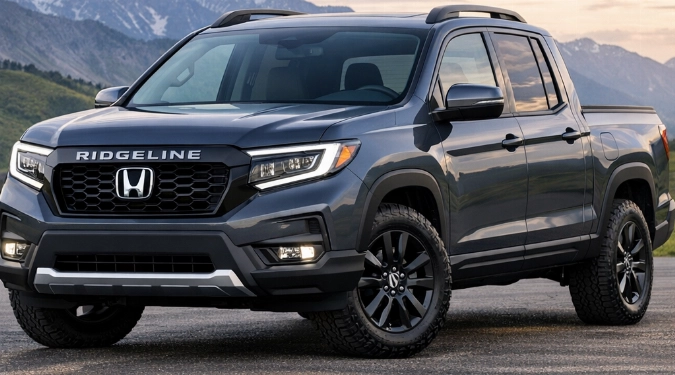
Pick the right Ridgeline trim fast, then price it like a pro. You’ll get a dealer-email script, a lease worksheet, and a test-drive checklist. You’ll also learn where discounts hide and which fees matter. Leave knowing the next three steps, plus what numbers to demand.
What To Decide Before You Price Anything
Start with your “must-haves,” not the payment. The Ridgeline is one of the few pickups built like a crossover. That changes ride quality and towing expectations.
- Cab and bed needs: The Ridgeline is a crew-cab only. The bed includes a lockable in-bed trunk and a dual-action tailgate.
- Towing reality: Plan for light-to-mid towing, not heavy-duty work. Ask the dealer for the exact tow rating of your build.
- Traction: If you see snow or dirt roads, prioritize AWD and good all-season tires. Tires matter more than drive-mode marketing.
- Tech and comfort: Decide if you need the bigger screen, premium audio, or heated features. Those bundles often drive price jumps.
Trim And Feature Shortlist That Affects Real Money
You are shopping tradeoffs. Focus on options that affect resale and daily comfort.
- AWD vs FWD: AWD usually leases well in colder states and may resell faster.
- Safety suite: Confirm adaptive cruise, lane centering, and blind spot monitoring are on the sticker. Do not rely on “standard” claims.
- Bed features: Check for the in-bed trunk, bed audio, and tie-down layout. Those are Ridgeline-specific value points.
- Hitch wiring: If you tow, ask if the harness and controller support are included. Dealer add-ons here can be pricey.
Where To Buy Without Wasting A Weekend
Use sources that expose real selling prices and inventory.
- Dealer inventory tools: Search “in stock” units first. Sort by VIN-sticker photos, not stock images.
- Price marketplaces: Check Autotrader, Cars.com, CarGurus, TrueCar, and Edmunds. Add Kelley Blue Book listings to compare “good price” flags.
- Credit union preapproval: Get a rate first, then let the dealer try to beat it. Bring the approval terms to the finance office.
- Timing leverage: Try month-end and weekday mornings. Ask for “out-the-door” quotes by email only.
Email Script That Gets Clean Quotes
Send one short message to three dealers. Ask for an itemized buyer’s order.
- “I’m ready to purchase a 2026 Ridgeline, stock or incoming. Please send your best out-the-door price with fees and taxes broken out.”
- “No add-ons. If there are add-ons, list each with price. I will decide after I see the numbers.”
- “Include the VIN, MSRP, dealer discount, doc fee, accessories, and total due at signing.”
Where To Lease And What To Ask For
Leases are math plus rules. You need the program details, not a monthly quote.
Ask the dealer for the money factor, residual, term, and miles. Also ask if the quote uses Honda Financial Services or a third-party bank. Capture each on paper.
For where to lease, start with franchised Honda dealers that advertise lease specials. Then compare one broker marketplace quote. Many shoppers use Leasehackr-style deal forums for benchmarks, but you still sign at a dealer.
How To Go About Leasing Honda Ridgeline 2026
- Pick term: 36 months is the common sweet spot. Avoid 48 months unless the money factor is unusually low.
- Pick miles: 10,000 to 12,000 is typical. Buy miles up front if you drive more.
- Minimize cash down: Put down as little as possible. Use $0 down plus only required fees when you compare offers.
- Shop the selling price: Negotiate the vehicle price like a purchase. The lease starts with that number.
- Check wear items: Ask for the disposition fee and wear-and-tear rules. Get the excess-mile charge in writing.
Numbers That Make A Deal Affortable Options
On most Ridgeline deals, the swing factors are discount, rate, and fees. Focus there before you argue about accessories.
- Purchase target: Try to land within $1,500 to $3,500 off MSRP on in-stock units. Tight supply can shrink that range.
- Lease target: A strong deal often has $0 to $2,000 total due at signing. Payments frequently land around $450 to $650, depending on trim and taxes.
- Fees to cap: Doc fee, acquisition fee, and add-on packages. Ask for a “no accessories” worksheet.
Look for “cheaper than expected” outcomes by choosing an in-stock color, skipping dealer protection bundles, and taking a higher residual trim. Residual strength can matter more than MSRP.
Test-Drive Checklist That Catches Regret
- Check rear-seat space with your real car seat or adult passenger.
- Drive broken pavement and listen for bed rattles.
- Try the tailgate swing and drop modes. Confirm the trunk opens with the bed loaded.
- Test highway lane centering and adaptive cruise behavior.
- Confirm phone pairing, wireless charging, and USB placement.
FAQs That Save You Money Later
Can I remove add-ons from the contract?
Often yes, before signing. Ask for a buyer’s order without accessories. If they refuse, move to the next dealer quote.
Is gap coverage included on a lease?
Many captive leases include it, but not all. Ask the finance manager to show the clause in the lease agreement.
What should I bring to speed up delivery day?
Bring your insurance card, license, payoff info for a trade, and preapproval terms. Also bring your quote printout to match line items.
Disclaimer: The information provided in this article is for educational and informational purposes only. It does not constitute professional advice. Readers should conduct their own research and consult with qualified professionals before making any decisions.