High Security Front Doors: An In-Depth Guide for Homeowners
Ensuring your residence is protected starts with evaluating the primary entry point: the entryway. This in-depth guide for homeowners focuses on high security front doors, providing the essential knowledge needed to transition from standard options to professional-grade protection. A high security front door is more than just a sturdy piece of wood; it is a complex system designed to withstand forced entry and provide peace of mind.
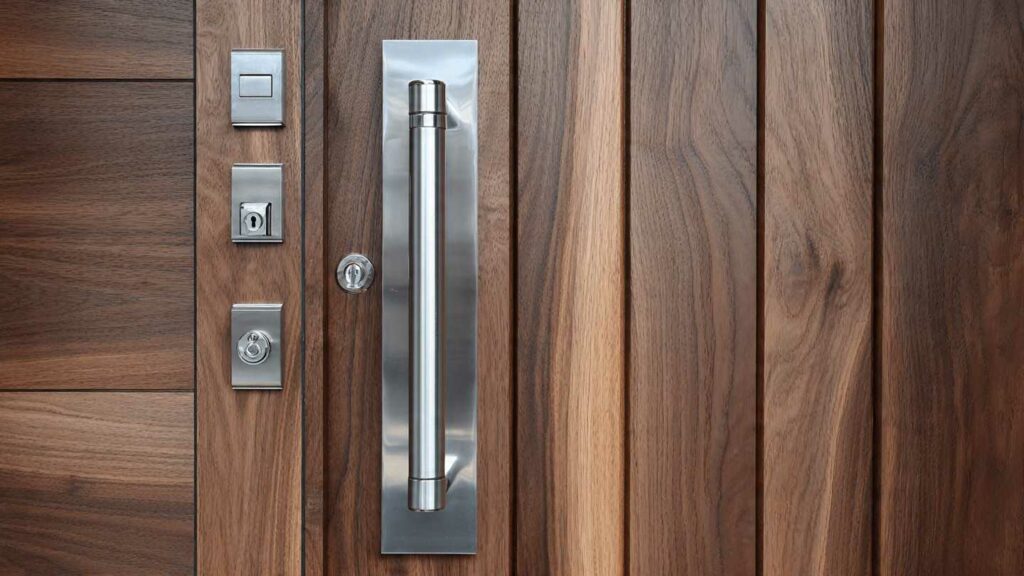
Understanding the components of home security doors is the first step in creating a safer environment. By focusing on front door security, you can effectively address the most common vulnerability in residential structures. Whether you are looking for the most secure front door available or simply exploring home door security upgrades, this guide covers the structural and technical requirements of modern safety.
The Core Components of Security Front Doors for Home
A true high security front door differs from a standard door in its internal composition. While a typical door may have a hollow or solid wood core, a security front door often features reinforced materials that are resistant to impact.
- Reinforced Frames: The most secure front door is only as strong as its frame. Homeowners should look for steel-reinforced frames that prevent the door from being kicked in or pried away from the house structure.
- Multi-Point Locking Systems: Standard doors often rely on a single deadbolt. In contrast, high security front doors typically utilize multi-point locks that secure the door at the top, middle, and bottom simultaneously.
- Heavy-Duty Hinges: Security hinges are designed so that the pins cannot be removed from the outside, ensuring the secure front doors remain in place even if an intruder attempts to dismantle the hardware.
Comparing Standard Doors vs High Security Front Doors
When comparing a standard door to a high security front door, the differences become clear in both construction and performance. Standard doors typically use basic materials and single locking mechanisms, which may offer limited resistance to forced entry. In contrast, high security doors are designed with reinforced cores, advanced locks, and stronger frames that work together as a complete system.
This combination of features allows high security front doors to provide a significantly higher level of protection. For homeowners focused on safety, this difference can be an important factor when choosing the right door.
Glass Window Security and Entryway Integrity
Many homeowners prefer the aesthetic of a door with windows, but this can introduce a weakness in front door security. To maintain high safety standards, glass window security must be a priority.
High-quality security front doors use tempered or laminated glass that is specifically designed to resist shattering. Some homeowners also opt for security film or decorative iron grilles that sit over the glass. These additions ensure that even if the glass is struck, the high security front door remains an impenetrable barrier. Integrating glass window security allows for natural light without sacrificing the integrity of your home door security.
3 Safety Tips for Your Home at Night
A police-approved approach to home safety often emphasizes simple, nightly habits that complement your physical hardware.
- Verify All Locking Points: Before retiring for the evening, ensure your security front door is engaged at every locking point. If you have a multi-point system, ensure the handle is lifted or the key is turned to fully deploy the steel bolts.
- Utilize Exterior Lighting: Illuminating the area around your high security front door removes the cover of darkness. Motion-activated lights are particularly effective for home door security.
- Clear the Entryway: Ensure there are no large bushes or objects near your secure front doors that could provide a hiding spot. A clear line of sight is a fundamental principle of front door security.
Frequently Asked Questions
What makes a door “high security” compared to a standard door? A high security front door is defined by its materials and hardware. This usually includes a reinforced steel or solid composite core, a reinforced strike plate, and a multi-point locking system that prevents the door from being easily bypassed.
Can I upgrade my existing door for better home door security? Yes, homeowners can improve front door security by installing longer screws in the hinges and strike plate, adding a high-quality deadbolt, and applying security film to any glass panels. However, for maximum protection, a purpose-built security front door is the most effective option.
Are security front doors for home worth the investment? Investing in the most secure front door can provide long-term value by deterring potential intruders and potentially lowering home insurance premiums. It is a foundational element of comprehensive home security doors planning.
Does a high security front door require special maintenance? Typically, secure front doors require minimal maintenance. It is important to periodically lubricate the multi-point locking mechanism and check that the door remains properly aligned within its reinforced frame to ensure smooth operation.
Conclusion
Selecting and maintaining high security front doors is a vital responsibility for any homeowner dedicated to safety. By understanding the importance of reinforced frames, glass window security, and multi-point locks, you can transform your entryway into a formidable barrier. Focus on front door security as your primary line of defense to ensure your home remains a sanctuary.
Disclaimer: The information provided in this article is for educational and informational purposes only. It does not constitute professional advice. Readers should conduct their own research and consult with qualified professionals before making any decisions.