
Hidden Treasures: Household Antiques That Might Be Valuable
We often overlook the items gathering dust in our attics, basements, or display cabinets, assuming they are merely old junk. However, the market for valuable household items is booming, and you might be sitting on a goldmine without realizing it. Hidden treasures are not limited to pirate chests; they are often disguised as everyday objects like old toys, glassware, or furniture passed down through generations.
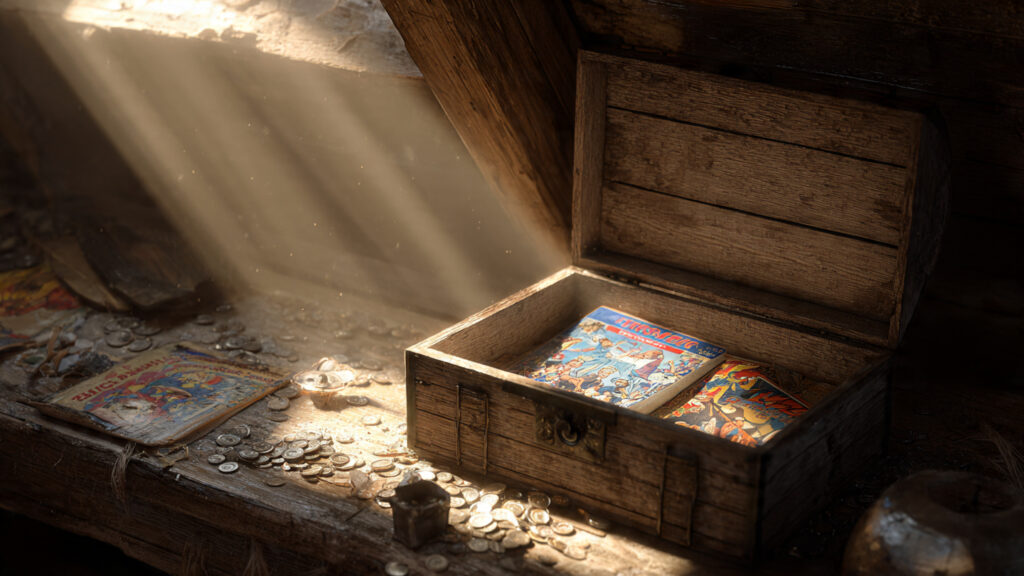
This guide helps you identify valuable things to sell that are commonly found in American homes. We will explore exactly which items wanted by collectors might be hiding in plain sight, how to assess their worth, and the best practices for turning these vintage items worth money into serious cash. Whether it is a specific type of porcelain or a rare electronic device, knowing what to look for is the first step to unlocking your home’s hidden value.
Understanding the Value of Household Antiques
The difference between “old” and “antique” often comes down to demand, rarity, and condition. While an item generally needs to be over 100 years old to be technically classified as an antique, many collectable items worth money—often called “vintage”—can be from the 1950s, 60s, or even the 80s.
Value is driven by scarcity and cultural relevance. For example, mass-produced furniture from the 1990s has little value, but a limited-run chair from the Mid-Century Modern era can fetch thousands. The key is to look for quality craftsmanship, specific maker’s marks, and items that defined an era. Understanding these factors transforms how you view your possessions, shifting your perspective from “clutter” to potential financial opportunity.
Common Valuable Antiques Found at Home
Many homes contain specific valuable items to look for. To help you start your search, here are 12 specific categories and items that frequently hold surprising value:
- Mid-Century Modern Furniture: Look for clean lines and teak wood. Original pieces by designers like Eames, Herman Miller, or Knoll are highly sought after, often selling for $2,000 to $10,000+.
- Vintage Costume Jewelry: It doesn’t have to be diamond to be valuable. Signed pieces by Miriam Haskell, Chanel, or Trifari, as well as Bakelite bangles from the 1930s, can command $100 to over $1,000.
- First Edition Books: Check the copyright page. A first edition of a classic like The Great Gatsby or even a specialized niche book can be worth thousands. Condition (especially the dust jacket) is paramount.
- Silver Coins (Pre-1964): U.S. quarters, dimes, and half-dollars minted before 1964 contain 90% silver. Even in poor condition, their melt value makes them worth significantly more than face value.
- Vintage Pyrex and Depression Glass: Look for bright colors and patterns like “Pink Daisy” or “Butterprint.” Rare Pyrex bowls can sell for $300 to $1,500 depending on the pattern and completeness of the set.
- Old Comic Books: Golden Age (1938-1950) and Silver Age (1956-1970) comics are prime targets. Key issues featuring the first appearance of a character (like Spider-Man or Hulk) are collectable items worth money, potentially reaching six figures.
- Vintage Toys: Action figures from the 1970s and 80s, specifically Star Wars (Kenner) or Transformers, are huge. Mint-in-box items are most valuable, but even loose figures can fetch $50-$200 each.
- Cast Iron Cookware: Look for brands like Griswold or Wagner Ware. These vintage skillets are lighter and smoother than modern cast iron and are prized by chefs, often selling for $100 to $300.
- Vintage Vinyl Records: While many old records are common, specific pressings of rock albums (Beatles, Led Zeppelin) or obscure jazz/soul records in mint condition can be valuable household items. Look for “mono” pressings or promotional copies.
- Fine Porcelain: Brands like Meissen, Wedgwood, or Herend are timeless. Look for crossed swords or specific impressed marks on the bottom. A single rare figurine can be worth $500+.
- Vintage Electronics: Early Apple computers, 1970s tube amplifiers (brands like McIntosh or Marantz), and original Nintendo consoles are increasingly rare and desired by tech enthusiasts.
- Antique Rugs: Hand-knotted Persian or Oriental rugs, even with some wear, retain value better than machine-made ones. Look for unevenness in the knots on the back, which indicates hand-craftsmanship.
How to Assess the Value of Your Items
Determining the worth of valuable items to look for involves a systematic approach.
- Identify the Maker: Look for signatures, stamps, or labels on the underside of furniture, pottery, or jewelry.
- Check the Condition: Cracks, chips, stains, or missing parts significantly lower value. “Mint” condition commands the highest price.
- Determine Provenance: Do you have the original box, receipt, or a photo of an ancestor using the item? Documentation proves authenticity and increases value.
- Compare Sold Listings: Don’t just look at asking prices. Check “sold” listings on auction sites to see what buyers actually paid.
Research and Authentication Tips
Before you list an item, you must verify it. The market is flooded with reproductions, so authentication is key to getting a fair price.
- Consult Experts: For high-value items like paintings or jewelry, pay for a professional appraisal. An appraiser from a recognized organization (like the ASA) provides a certified value document.
- Use Online Databases: Sites like WorthPoint or specialized collector forums can help identify obscure marks on pottery or silver.
- Beware of Fakes: Learn the “tells” of reproduction. For example, new “depression glass” often feels greasy or has seams that are too sharp compared to the originals.
Selling Your Antiques: Best Practices
Once you have identified your valuable household items, choosing the right sales channel is crucial to maximizing profit.
- Online Marketplaces: eBay and Etsy are excellent for smaller, shippable items like comics, jewelry, or toys. They offer a global audience.
- Specialized Auctions: For high-end art or rare furniture, a dedicated auction house (local or national) will reach serious collectors who are willing to pay top dollar.
- Consignment Shops: Good for mid-range furniture or clothing. They take a cut (usually 40-50%) but handle the display and sale for you.
- Estate Sales: If you are clearing out an entire home, an estate sale company can manage the liquidation of hundreds of items at once.
Preserving and Caring for Your Antiques
If you decide to keep your treasures, proper care ensures they remain valuable things to sell in the future.
- Climate Control: Extreme heat or damp basements can ruin books, art, and wood furniture. Keep items in a stable, temperature-controlled environment.
- Proper Cleaning: Never use harsh modern chemicals on antique wood or metal. Use micro-crystalline wax for wood and specialized polish for silver.
- Handling: Always lift ceramics by the body, not the handle. Store textiles flat or rolled in acid-free tissue paper to prevent permanent creasing.
Conclusion: Discovering Hidden Treasures: Household Antiques That Might Be Valuable is about more than just luck; it requires a keen eye and a bit of knowledge. By checking your attic for the specific items wanted by collectors listed above—whether it’s vintage items worth money like Star Wars figures or valuable household items like sterling silver—you can prevent a financial mistake. Before you donate or discard that old box, take the time to research, authenticate, and assess condition. Your home may already hold the collectable items worth money you have been looking for.