
Hidden Potential in Old Baseball Cards: What Collectors Notice First
Discovering a dusty shoebox in the attic can be the start of a thrilling financial journey. For many Americans, old baseball cards represent more than just childhood nostalgia; they are assets with hidden potential. Professional collectors and hobbyists alike look for specific markers that distinguish a common card from one that is worth a fortune. When you begin to check baseball card value, the first things experts notice are the card’s physical condition, its rarity, and the significance of the player. Understanding these nuances is the best way to determine if you own any of these classic collections that could be worth a lot.
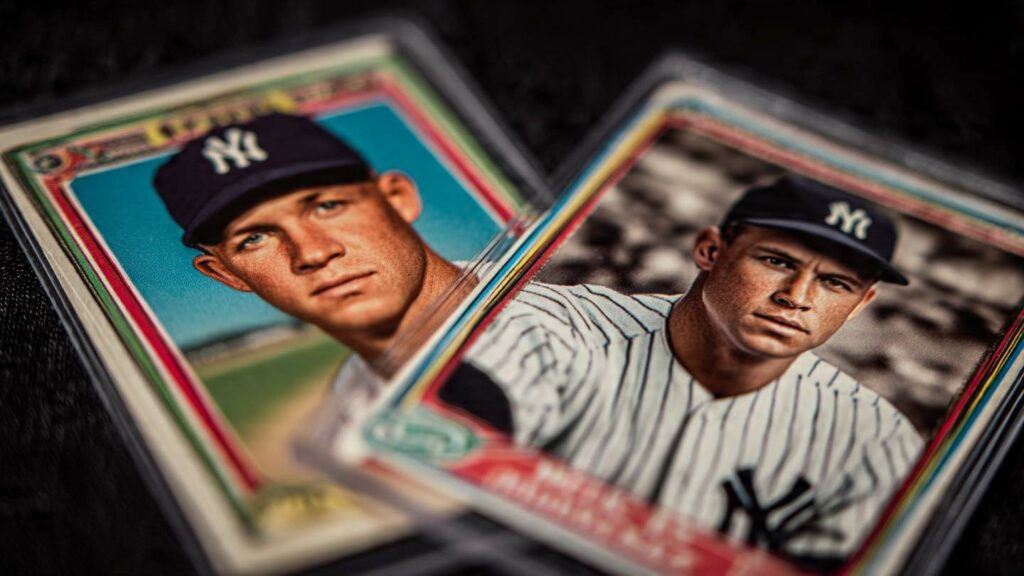
Identifying High Value Baseball Cards
When assessing baseball cards worth money, collectors first look at the “Big Three”: condition, era, and player. A card’s physical state is paramount; even a microscopic crease can significantly diminish the value of old baseball cards. Centering is also vital—the image should be perfectly aligned within the white borders.
Specific iconic cards serve as the gold standard for hidden potential. For instance, the 1952 Topps Mickey Mantle is often the “holy grail” for collectors, frequently fetching millions at auction. Similarly, the 1909-1911 T206 Honus Wagner is legendary for its scarcity. If you are looking at vintage baseball cards, these are the names that immediately signal a card is worth a fortune.
The Market for 1990s Baseball Cards
A common question among those rediscovering their collections is: are 1990s baseball cards worth anything? While many cards from this era were overproduced, certain most valuable baseball cards 1990s collectors seek out include the 1990 Topps Frank Thomas “No Name on Front” error card.
Other 1990s baseball cards worth money include the 1993 Upper Deck SP Derek Jeter Rookie Card, which is highly prized in top-tier condition. To check baseball card value for this decade, look for “Tiffany” sets or rare inserts. If you have valuable Topps baseball cards from 1991, like the Chipper Jones Rookie Card, you may have found a piece with significant market interest.
20 Baseball Cards Now Worth a Fortune
To understand the value of old baseball cards, one must look at the specific items that have defined the market. Here are some of the most iconic cards collectors notice first:
- 1952 Topps Mickey Mantle: The quintessential post-war card.
- 1909 T206 Honus Wagner: Famed for its rarity and historical significance.
- 1914 Baltimore News Babe Ruth: One of the earliest and rarest Ruth cards.
- 1933 Goudey Lou Gehrig: A masterpiece of the “Pre-War” era.
- 1951 Bowman Willie Mays: The definitive rookie card for “The Say Hey Kid.”
- 1954 Topps Henry Aaron: A must-have for any serious vintage baseball cards collector.
- 1963 Topps Pete Rose: The only recognized rookie card for the hit king.
- 1980 Topps Rickey Henderson: A modern classic that remains highly liquid.
- 1993 SP Derek Jeter: The premier rookie card of the 1990s.
- 2009 Bowman Chrome Mike Trout: A powerhouse in the modern baseball cards worth money category.
How Do I Find Out How Much a Baseball Card Is Worth?
If you are wondering, “how do i find out how much a baseball card is worth?” the process involves both research and professional verification.
- Search “Sold” Listings: Use online marketplaces to see actual transaction prices, not just asking prices.
- Professional Grading: For cards like a 1968 Topps Nolan Ryan or a 1939 Play Ball Ted Williams, professional grading (PSA or SGC) is essential to confirm authenticity and condition.
- Check Baseball Card Value Guides: Use reputable industry databases to see historical price trends for old baseball cards.
Vintage vs Modern Baseball Cards Worth Money
Understanding the difference between vintage and modern baseball cards worth money helps set realistic expectations.
| Category | What Drives Value | Typical Characteristics |
|---|---|---|
| Vintage Cards | Age, rarity, historical importance | Older print years, iconic players |
| 1990s Cards | Select rarity, condition, key players | Mixed value due to mass production |
| Modern Cards | Limited editions, player hype | Serial-numbered, special inserts |
Both categories can hold value, but the reasons behind that value differ significantly.
Best Way to Sell Baseball Cards
Once you have identified your most valuable baseball cards, choosing the right venue to sell baseball cards is critical. For high-end items like a 1948 Leaf Jackie Robinson, specialized sports memorabilia auction houses are the best way to sell baseball cards because they reach high-net-worth investors. For more common baseball cards old but still valuable, reputable online hobby communities or local specialized dealers are excellent options.
FAQ: Common Questions About Old Baseball Cards
Are 1990s baseball cards worth money if they aren’t graded: While grading maximizes the price for cards like the 1990 Upper Deck Ken Griffey Jr., ungraded cards of superstars still hold value if they are in “Pack Fresh” condition.
What makes valuable Topps baseball cards stand out: Collectors look for short prints, error cards, and the first “Rookie” appearance of Hall of Fame players.
How can I protect my baseball cards: Place cards in archival-safe “penny sleeves” and “top loaders” to prevent the wear and tear that devalues old baseball cards.
Conclusion
Whether you hold a 1952 Topps Mickey Mantle or a selection of 1990s baseball cards worth money, the key is to look for the details that professional collectors prioritize: condition, rarity, and iconic players. By learning how to check baseball card value properly, you can uncover the hidden potential in your collection and determine if your old baseball cards are truly worth a fortune.
Disclaimer: The information provided in this article is for educational and informational purposes only. It does not constitute professional advice. Readers should conduct their own research and consult with qualified professionals before making any decisions.