
Guide to Vitamins That Support Metabolism Wisely
This guide explains vitamins that support metabolism wisely by focusing on how nutrients actually participate in energy production, thyroid function, muscle performance, and recovery. You’ll learn which vitamins are commonly linked to weight loss support (without promising unrealistic “fat burning”), including key B vitamins, vitamin D, vitamin C, and the safety considerations around fat-soluble vitamins like A and E. It also covers minerals often paired with metabolism formulas, how to evaluate supplement labels and third-party testing, and when personalization and professional review can be useful for choosing targeted, reasonable doses.
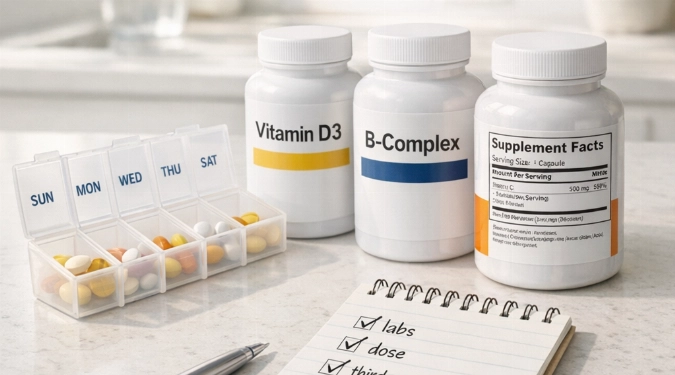
Metabolism support can sound like marketing, but “wise” choices are usually simple: cover common nutrient gaps, match vitamins to your real needs, and skip megadoses that backfire. This guide breaks down which vitamins are commonly linked to weight loss support, how they work in energy metabolism, and how to evaluate supplements with a clear head.
What “Supporting Metabolism” Actually Means
Metabolism is the body’s system for turning food into usable energy (ATP), building and repairing tissues, and regulating hormones and temperature. Vitamins do not “melt fat,” but several act as co-factors in pathways that influence how efficiently you convert carbs, fats, and protein into energy, and how well your thyroid and mitochondria function.
Wise support starts with basics: consistent protein, resistance training, sleep, and enough calories. Vitamins matter most when a deficiency is limiting those systems, which is why clinicians often check labs (such as 25(OH)D for vitamin D, or B12 in higher-risk groups).
The Core Vitamins Commonly Linked To Metabolic Support
B Vitamins (B1, B2, B3, B5, B6, Folate, B12)
B vitamins are central to energy metabolism. Thiamin (B1) supports carbohydrate metabolism, riboflavin (B2) and niacin (B3) help electron transport, and B6 supports amino-acid metabolism. B12 and folate are crucial for red blood cell production, which affects oxygen delivery during activity. People eating very low-calorie diets, older adults, and those using metformin or acid-suppressing meds are more likely to run low on B12.
Vitamin D
Vitamin D behaves like a hormone and is involved in muscle function and insulin signaling. Low vitamin D is common, especially with limited sun exposure. Correcting a deficiency may support training performance and overall metabolic health, which indirectly helps weight management.
Vitamin C
Vitamin C is needed for carnitine synthesis, a compound involved in transporting fatty acids into mitochondria. It also supports connective tissue and recovery. If fruit and vegetable intake is low, vitamin C status can slip, making overall metabolic resilience weaker.
Vitamin E And Vitamin A
These fat-soluble vitamins help with antioxidant balance and cellular signaling. The “wise” note: fat-soluble vitamins accumulate. High-dose vitamin A can be harmful, and high-dose vitamin E can interact with blood thinners. Food-first (nuts, seeds, leafy greens, orange vegetables) is often the safest baseline.
Key Minerals Often Paired With Metabolism Vitamins
Many “metabolism” formulas combine vitamins with minerals that support the same pathways. Iodine and selenium are tied to thyroid hormone production and conversion (T4 to T3). Magnesium supports hundreds of enzymatic reactions, including those involving glucose control. Iron supports oxygen transport; low iron can make workouts feel harder, reducing activity and total energy expenditure.
Smart Dosing And Safety Checks
Look for amounts near 100% of the Daily Value for most vitamins unless a clinician has identified a deficiency. Avoid stacking multiple products that each contain high doses of vitamin A, D, E, or K. If pregnant, planning pregnancy, on blood thinners, have thyroid disease, or have kidney issues, it’s especially important to review supplements with a qualified professional.
How To Choose Supplements Without Getting Sold A Fantasy
Third-party testing (USP, NSF, or Informed Choice) can reduce risk of contamination. A “doctor-formulated” label is not a guarantee by itself; what matters is transparent ingredient forms and realistic dosing. If you see stimulant-heavy blends marketed as a “metabolism booster,” consider whether sleep, anxiety, or heart rate effects could undermine your long-term results.
If you like structure, you might take the free weight loss vitamin quiz to identify likely gaps, then schedule free nutritionist consultation online to discuss diet, labs, and goals. Some people prefer to get a personalized weight loss supplement plan, or get a quote for personalized nutrition supplements, so they are not guessing across dozens of bottles.
Personalization Options People Commonly Use
Customization can be useful when it is based on diet patterns, tolerances, and lab data, not just a generic weight-loss claim. In some cities, people even look to find custom vitamin packs for weight loss in Miami for convenience; the wiser approach is still to verify dosage, third-party testing, and compatibility with medications.
When comparing providers, readers often look for order science-backed diet vitamins with discount code or buy metabolism support supplements with money-back guarantee. Treat these as policy features, not proof of effectiveness. For ongoing habits, some prefer an online wellness coach for metabolic health sign up, while others start your custom vitamin subscription for energy and metabolism so they do not run out and abandon the routine. If considering a doctor-formulated metabolism booster free shipping offer, check the full supplement facts panel before deciding.
FAQs
Which Vitamins Help With Weight Loss?
No vitamin directly causes weight loss. Vitamins most commonly linked to weight-loss support are those that help remove metabolic “bottlenecks” from deficiency, especially B vitamins (energy metabolism) and vitamin D (muscle and metabolic signaling). The strongest effect is typically seen when correcting a true deficiency.
Can I Take Metabolism Vitamins Without Bloodwork?
Many people use a moderate multivitamin safely, but bloodwork can clarify whether you need targeted vitamin D, B12, or iron. If you are symptomatic (fatigue, poor exercise tolerance) or have dietary restrictions, discussing labs with a clinician is a practical step.
What’s A Reasonable Timeline To Notice Benefits?
If a deficiency is present, energy or workout tolerance may improve over several weeks, while vitamin D repletion is often assessed over 8 to 12 weeks. If no deficiency exists, you may notice little change, which is useful information for simplifying your stack.
Do “Metabolism Booster” Supplements Work?
Some products rely on stimulants that can temporarily raise energy expenditure slightly, but side effects and rebound fatigue can reduce adherence to exercise and sleep. A wiser pattern is nutrient sufficiency plus training, with targeted supplementation only where it makes sense.
Conclusion
Vitamins that support metabolism wisely are the ones that help your body run its energy pathways without creating new risks: B vitamins for energy metabolism, vitamin D for muscle and metabolic signaling, vitamin C for carnitine support, and cautious use of fat-soluble vitamins. Focus on filling real gaps, keeping doses reasonable, and choosing transparent, tested products.
Disclaimer: The information provided in this article is for educational and informational purposes only. It does not constitute professional advice. Readers should conduct their own research and consult with qualified professionals before making any decisions.