
Guide to State Benefits for Veterans’ Spouses
Veterans’ spouses may qualify for important state benefits, but the options can be hard to spot because each state runs its own programs. This guide breaks down the most common categories—tuition waivers, property tax relief, state park or fee reductions, and support that may continue for surviving spouses—plus what paperwork is typically required and how to apply through the right agency without unnecessary delays.
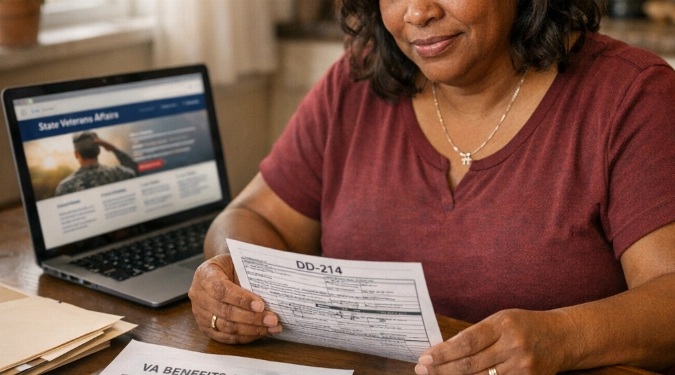
Many military families don’t realize this: as a veteran’s spouse, you may qualify for meaningful state-level support—sometimes even if your partner has passed away or is living with a service-connected disability. This guide explains what to look for, how eligibility typically works, and how to apply without feeling lost.
What “State Benefits” Can Mean For A Veteran’s Spouse
State programs vary, but they often fall into a few predictable buckets: tax relief, education support, housing-related help, and access to state-run facilities or services. These are separate from federal VA programs, so it’s possible to qualify for both at the same time. When people talk about state benefits veterans families may receive, they’re usually describing benefits administered through a state department of veterans affairs, a tax agency, or a public university system.
Common State Benefit Categories Spouses Should Check First
The fastest way to find veterans spouse benefits is to start with the categories most states prioritize for families with service-connected disability, Purple Heart recipients, or deceased veterans.
Education And Tuition Waivers
Many states offer tuition waivers or scholarships at public colleges for spouses of certain veterans. For example, some programs apply if the veteran is rated permanently and totally disabled, was killed in action, or died from service-connected causes. These benefits can reduce tuition charges, but fees, books, and housing rules vary widely—so ask for the written policy from the school’s veterans office.
Property Tax Relief And Housing-Related Support
Some states reduce property taxes for households that include a disabled veteran, and in certain cases the exemption can carry over to a surviving spouse who remains unmarried and stays in the home. This type of veterans aid is usually handled by the county assessor or tax collector and may require proof of disability rating and residency.
State Parks, Licensing, And Fee Reductions
States sometimes provide discounted access to state parks, vehicle-related perks, or license fee reductions connected to disability or survivor status. These benefits tend to be smaller than tuition or tax programs, but they can still matter for day-to-day budgeting and family quality of life.
Programs That Often Matter Most For Surviving Spouses
If your spouse died during service or from service-connected causes, you may be looking for survivor benefits that help stabilize housing, education, and long-term planning. At the state level, the most common survivor-focused benefits are continued property tax exemptions, dependents’ education programs, and state veterans home eligibility (rules differ by facility). These state options can also complement federal benefits like Dependency and Indemnity Compensation (DIC), Survivors Pension, and CHAMPVA health coverage.
How Eligibility Usually Works
Veteran eligibility rules for spouse programs are often built around a few documentation checkpoints: character of discharge, service-connected disability rating (often shown on a VA award letter), residency requirements, and your relationship status. Some benefits require you to remain unmarried after the veteran’s death; others don’t. If you’re separated, remarried, or the veteran’s discharge is still being upgraded, ask the administering office what exceptions or appeal routes exist.
How To Apply Without Getting Bounced Around
Because benefits are spread across agencies, a simple system helps. Start with your state department of veterans affairs (or similar office), then confirm which agency actually approves the benefit (tax office, DMV, parks department, public university, or a county veterans service officer).
- Gather core documents: DD Form 214, marriage certificate, death certificate (if applicable), and the VA rating or award letter.
- Ask for the program’s eligibility checklist in writing and note deadlines (some education benefits have term-based cutoffs).
- Keep copies of everything and write down the name and department of anyone you speak with.
This approach can make spouse help feel practical instead of overwhelming.
Where To Find Reliable Veteran Family Support
For hands-on navigation, look for accredited county veterans service officers (CVSOs) or state veterans service offices; they often know how state rules interact with federal programs. Nonprofits and VSOs such as Disabled American Veterans (DAV), Veterans of Foreign Wars (VFW), and American Legion can also point you toward veterans resources and local forms, though the final approval still comes from the state agency administering the benefit.
FAQ
Can A Veteran’s Spouse Get Benefits Even If The Veteran Is Still Living?
Yes. Some programs attach to the household when the veteran has a qualifying disability rating or status, while others are specifically for dependents using education or fee-waiver programs. This is one reason military family assistance may apply before a family ever files a survivor claim.
Do I Have To Be A Dependent In DEERS To Use State Programs?
Not always. DEERS is a federal enrollment system, while state programs often rely on residency and documents like a marriage certificate and DD Form 214. Still, if a state benefit is tied to access to federal-linked services, DEERS status can be relevant.
What If I’m A Surviving Spouse And I Remarry?
It depends. Some state programs end upon remarriage; others don’t. Ask specifically whether the program requires you to remain unmarried and whether exceptions exist for remarriage after a certain age.
Are These The Same As VA Benefits?
No. State programs are separate from VA benefits. Many families use both: federal benefits like DIC, CHAMPVA, or education programs, alongside state tuition waivers, tax relief, or other veteran family programs.
Conclusion
State benefits for veterans’ spouses can include tuition help, tax relief, fee reductions, and survivor-focused programs—often with rules that hinge on disability ratings, service-connected death, residency, and marital status. Start with your state veterans office, gather the core documents, and confirm the exact agency that processes each benefit so you can build steady veteran family support over time.
Disclaimer: The information provided in this article is for educational and informational purposes only. It does not constitute professional advice. Readers should conduct their own research and consult with qualified professionals before making any decisions.