
Guide to Safely Handling a Seizure
Witnessing a seizure can be overwhelming, but the safest response is built on clear, practiced steps. This guide explains how to handle a seizure as it happens—how to time it, protect the person’s head, move hazards away, and position them on their side to support breathing. It also covers what not to do (no objects in the mouth, no restraint), when emergency services are needed, and what to expect during the confused recovery period afterward. You’ll also learn how monitoring tools, including a seizure alarm, can fit into a broader safety plan at home.
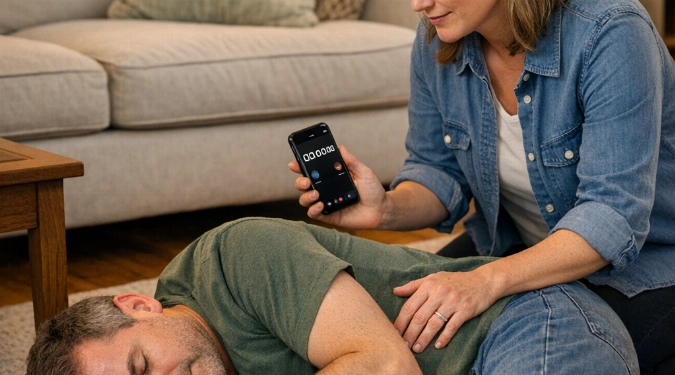
A seizure can feel sudden and scary, especially if you’re the one witnessing it. This guide to safely handling a seizure walks you through what to do moment by moment, how to protect someone from injury, when to call emergency services, and what to do after the shaking stops—so you can act quickly and calmly.
First: Recognize What You’re Seeing
Seizures don’t all look the same. A generalized tonic-clonic seizure often includes stiffening, rhythmic jerking, possible loss of consciousness, and noisy breathing. Other seizures may look like staring, lip smacking, confusion, or wandering. If you’re unsure, treat it like a seizure and focus on safety: prevent injury, watch the clock, and stay with the person.
Important Steps During A Seizure
When people ask what to do in case of seizure, the safest approach is simple and practical: protect the head, keep the airway clear, and avoid anything that could cause harm.
- Start timing immediately. Use a phone timer or watch. Duration helps responders and clinicians later.
- Lower them to the ground if possible. If they’re standing or seated, guide them away from a fall.
- Protect the head. Place something soft under the head (folded jacket, towel).
- Clear nearby hazards. Move furniture, sharp objects, hot drinks, or tools out of the way.
- Loosen tight clothing at the neck. A tie, collar, or scarf can restrict breathing.
- Turn them on their side when you can. Recovery position helps saliva or vomit drain and supports breathing.
- Stay with them. Reassure them as they regain awareness; confusion afterward is common.
What Not To Do During A Seizure
Many injuries happen when bystanders try to “help” in unsafe ways. For seizure what to do also includes knowing what to avoid.
- Don’t put anything in their mouth. They cannot swallow their tongue; objects can break teeth or block the airway.
- Don’t restrain their arms or legs. Restraining can cause fractures or muscle injuries.
- Don’t offer food, drink, or pills. Choking risk remains until they’re fully alert and able to swallow normally.
- Don’t attempt CPR during active convulsions. If normal breathing doesn’t return after the seizure ends, then assess for CPR.
When To Call Emergency Services
Some seizures need immediate medical help. Call emergency services if any of the following are true:
- The seizure lasts longer than 5 minutes, or seizures repeat without full recovery between them.
- It’s a first-known seizure, or the person is pregnant or has diabetes.
- They’re injured (head hit, significant bleeding), in water, or exposed to a hazard (traffic, heights).
- Breathing is difficult after the seizure, skin turns bluish, or they don’t wake up as expected.
After The Seizure: Recovery And Reassurance
Once the movements stop, keep them on their side and check breathing. It’s common for a person to be exhausted, sore, embarrassed, or confused for minutes to hours (postictal period). Speak calmly, explain what happened in simple terms, and offer privacy by asking bystanders to step back. If they wear a medical ID bracelet, look for epilepsy or other conditions and share that information with responders.
Special Situations You May Face
Seizure In A Wheelchair Or Chair
If it’s safe, apply brakes and support them so they don’t fall. If possible, ease them to the floor. If not, protect the head and keep the airway open by positioning the head to the side.
Seizure In Water
Support the person’s head above water, turn them to the side once out, and call emergency services. Even a brief seizure in a bathtub or pool can lead to complications.
Seizure During Sleep
Gently roll them onto their side, clear pillows or bedding away from the face, and time the event. Avoid shaking them awake.
How A Seizure Alarm Fits Into A Safety Plan
A seizure alarm may help caregivers respond faster, especially for nighttime convulsive seizures. Options include smartwatch-style movement detection, mattress sensors, and camera-based monitoring systems. These tools can miss events or give false alerts, so they work best as a backup—paired with a clear response plan, shared emergency contacts, and practice of the steps above.
FAQ: Safely Handling A Seizure
How Long Is Too Long For A Seizure?
Five minutes is a key threshold widely used in emergency guidance. Seizures lasting longer than that, or seizures happening back-to-back without recovery, warrant urgent help.
Can Someone Swallow Their Tongue During A Seizure?
No. The safer focus is preventing choking by turning the person on their side and keeping the mouth clear of objects.
Should I Hold Them Down So They Don’t Get Hurt?
Holding someone down can cause injuries. Instead, remove hazards, cushion the head, and guide their body only enough to prevent a dangerous fall.
What If They’re Confused Or Agitated Afterward?
Post-seizure confusion is common. Keep your voice low, offer space, and avoid sudden movements. If agitation escalates or safety is at risk, get medical help.
Conclusion
Safely handling a seizure comes down to a few important steps: time it, protect the head, clear hazards, roll the person onto their side when possible, and call emergency services when warning signs appear. If you pair these basics with a simple household plan—and tools like monitoring devices when appropriate—you can respond with steadier hands when it matters.
Disclaimer: The information provided in this article is for educational and informational purposes only. It does not constitute professional advice. Readers should conduct their own research and consult with qualified professionals before making any decisions.