
Guide to Renting Apartments for Your Next Home
This guide to renting apartments for your next home breaks the process into practical steps: setting an all-in budget, understanding what drives rent changes, searching across multiple listing sources, touring with a fast but thorough checklist, and preparing paperwork that landlords commonly request. It also explains what to verify before paying any fees, how to read key lease clauses, and how to reality-check unusually low rent ads so you can choose a 1-, 2-, or 3-bedroom apartment with clearer expectations and fewer surprises.
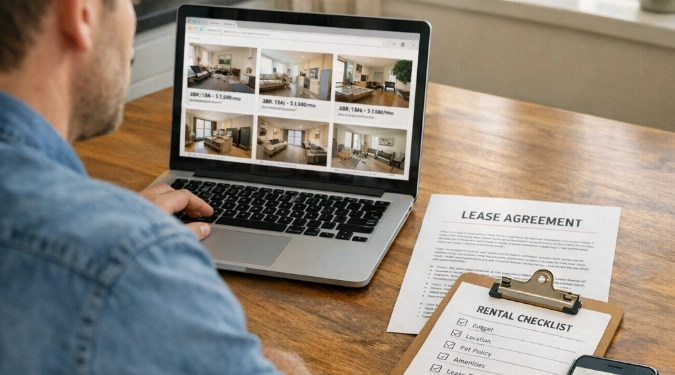
Renting your next apartment is a big move: it’s part budget math, part lifestyle choice, and part paperwork. This guide walks you through how to search, compare, tour, qualify, and sign a lease with fewer surprises—whether you’re hunting for a studio or weighing a 2-bedroom with a roommate.
Start With A Realistic Rental Budget
Before you browse listings, define a monthly ceiling that includes more than rent. Many landlords screen for income using a rent-to-income guideline (often around 3x monthly rent in gross income), but your comfort number may be lower once you add utilities and transportation. If you’ve seen ads like $500/month for spacious 2-bedroom apartments, treat them as rare outliers that require extra verification and flexibility on location, condition, or income programs.
Build a simple monthly estimate: rent + electricity/gas + water/trash (if not included) + internet + parking + renter’s insurance. Also plan for move-in costs such as application fees, security deposit, and possibly first/last month’s rent depending on local norms.
Know What Moves Prices Up Or Down
Rent changes block by block. Prices typically rise with new construction, walkability, in-unit laundry, included parking, strong school zones, and short commutes. Prices often drop when units are older, farther from transit, lack amenities, or have stricter limits (no pets, fewer occupants). If you’re searching phrases like apartments near me for rent 1 bedroom, widen your filters by a few neighborhoods or ZIP codes to see how amenities and commute time affect cost.
Seasonality matters too: in many markets, late fall and winter can bring more negotiating room, while late spring and summer can mean faster competition and fewer concessions.
Search Smarter With The Right Filters
Use multiple listing sources so you’re not limited to one inventory feed: large marketplaces, property management company sites, and local MLS-powered rental portals where available. Save searches by bedroom count and must-haves (laundry, parking, pet policy), then set alerts so you respond quickly to new listings.
If you’re trying to compare 1-3 bedroom apartments US apartments for rent in my location, keep a consistent checklist: total monthly cost, lease term, deposits, pet fees, parking fees, and what utilities are included. Consistency makes the “best value” unit obvious.
Tour Like A Pro: What To Check In 15 Minutes
A tour isn’t just about whether it looks nice; it’s about whether it will live well for a year. Test cell reception and listen for hallway noise. Turn on faucets and showers to check water pressure and hot-water wait time. Open windows, check screens, and look for signs of moisture around sills and under sinks.
- Appliances: confirm the fridge cools, the oven heats, and the dishwasher runs if present.
- Heating/cooling: identify whether it’s central HVAC, wall unit, or mini-split, and ask who maintains filters.
- Safety: verify smoke/CO detectors and ask how maintenance requests are handled after hours.
Qualification Basics And Paperwork To Prepare
Most applications require ID, proof of income (pay stubs or offer letter), and consent for a credit/background check. If your credit is thin, some landlords accept a qualified co-signer or a higher deposit where allowed. Bring references (prior landlord contact info) and be ready to explain gaps in rental history calmly and briefly.
Have digital copies ready so you can apply quickly. Speed matters in competitive buildings, but never pay money before you’ve verified the unit and the legal owner/manager.
Understand The Lease Before You Sign
A lease is a rulebook. Confirm the rent amount, due date, late fees, lease term, renewal process, and rules on guests, pets, smoking, subletting, and alterations. Get clarity on maintenance responsibilities: changing filters, pest control, and what qualifies as an emergency repair.
Do a move-in inspection the first day, take timestamped photos, and submit your condition form on time. That documentation is one of the simplest ways to protect your security deposit later.
Reality Check On Ultra-Low Rent Listings
Listings that sound too good—like $500/month for spacious 2-bedroom apartments in FL or the phrase apartmens in miami for 500$/month now!—can occasionally reflect income-restricted housing, shared housing, or older units far from job centers. They can also signal scams. Protect yourself by confirming the property address exists, verifying the management company through official state business registries, and insisting on an in-person (or live video) walkthrough before paying any deposit.
Common Questions About Renting Apartments
How Much Should I Budget For Move-In?
Many renters should plan for the security deposit plus the first month’s rent, and sometimes additional fees (application, admin, pet, parking). In some areas, move-in totals can reach two to three times the monthly rent. Ask for a written fee sheet before applying.
What If I Need Repairs After I Move In?
Submit requests in writing through the landlord’s portal or email so there’s a record. Ask upfront about typical response times, emergency procedures (no heat, flooding), and whether they use in-house maintenance or vendors.
Is Renter’s Insurance Really Necessary?
It’s commonly required and often inexpensive relative to what it covers. It may help with personal property losses (like theft), certain liability claims, and temporary living expenses after covered events, depending on the policy.
How Can I Compare Apartments Quickly Without Missing Details?
Create a one-page comparison sheet with the same fields for every unit: total monthly cost, included utilities, commute time, parking, laundry, lease length, pet terms, and repair process. Taking notes immediately after each tour prevents “nice kitchen amnesia.”
Conclusion
Renting apartments for your next home goes smoother when you set a true all-in budget, search with consistent filters, tour with a practical checklist, and read the lease like a contract—not a formality. With documents ready and a scam-check process in place, you can choose a place that fits your life and your numbers.
Disclaimer: The information provided in this article is for educational and informational purposes only. It does not constitute professional advice. Readers should conduct their own research and consult with qualified professionals before making any decisions.