Guide to Abandoned Farms: Opportunities and Key Insights
Empty barns and overgrown fields can look like a bargain, until you uncover liens, failing wells, or zoning limits. New buyers, investors, and nonprofit groups often struggle to price cleanup and pick a viable use. This article helps you judge risks, estimate costs, and find support before you commit.
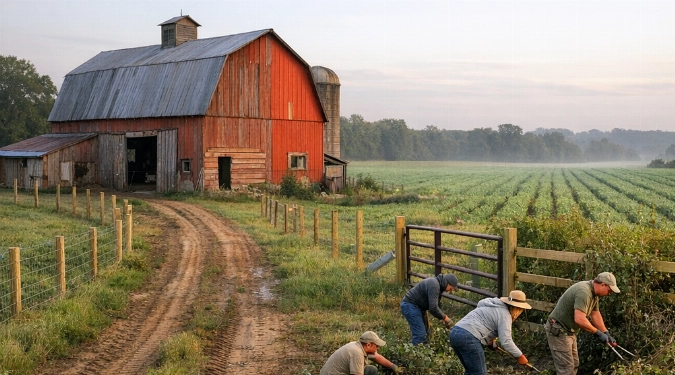
Learn how to spot a viable abandoned farm before you buy or lease it. Get a step by step inspection plan, a fast valuation method, and funding leads. Use the conversion menu to pick the best use for your land, then price the cleanup and rebuild work with fewer surprises.
What Counts As Abandoned And Why It Matters
“Abandoned” can mean idle land, a vacant house, or barns that no longer support production. The legal status can still be active, with taxes paid and liens attached. Your first job is to separate neglect from hard legal problems. Start with county tax records and deed history. Then request any recorded easements and right of way notes.
Where To Find Real Leads Before Everyone Else
- County tax delinquent lists and treasurer auctions.
- Probate and estate filings in the county clerk office.
- NRCS and conservation district bulletin boards.
- Extension office land link programs and newsletters.
- Farm credit lender REO pages and local bank portfolios.
- Neighbor referrals from feed stores, co ops, and equipment dealers.
The One Day Walkthrough That Prevents Bad Buys
Bring a notebook, a flashlight, and a moisture meter. Take photos of every structure and each field edge. Walk the property in a loop, not a straight line.
Land And Water Checks
- Confirm year round water rights, well depth records, and pump age.
- Look for drainage breaks, gullies, and buried trash piles.
- Check soil smell and structure in three spots per field.
- Map invasive plants like multiflora rose and johnsongrass.
Structure Red Flags
- Sagging ridge lines, missing trusses, and termite tubes.
- Old wiring, knob and tube, and DIY panels.
- Roof leaks around chimneys and vent stacks.
- Unpermitted septic changes and failing leach fields.
Fast Math For Farm Property Valuation
Use three numbers, then reconcile them. First, land value from recent acre sales within five miles. Second, replacement cost for usable buildings, minus depreciation. Third, income potential from realistic leases.
For cleanup, many buyers under budget. Light debris and brush can run about $1,500 to $6,000 per acre. Heavy demolition can add $8,000 to $25,000 per structure. A new agricultural well can land between $12,000 and $35,000 depending on depth and casing. Get written bids before you negotiate.
Conversion Options That Actually Pencil Out
- Grazing lease with fencing and a water plan.
- Market garden with a wash pack shed and cold storage.
- Orchard replanting where frost pockets are minimal.
- Timber and habitat with hunting leases and trails.
- Hybrid plans that mix farm conversion opportunities with storage rentals.
If you want organic farming opportunities, check past chemical use. Ask for spray records and talk to neighbors. Transition time can change your first three year plan.
Programs, Data, And Nonprofit Help Worth Knowing
Several usda farm programs can offset early costs. Examples include EQIP for conservation practices and FSA microloans for smaller operators. Ask the local office what ranking criteria matter this year. Build your plan to score points.
Use the national agricultural statistics service for baseline yields, acreage, and price series. Pair that with agricultural economics trends from land grant updates. You will forecast rent and input costs with less guesswork. For conservation minded deals, review american farmland trust resources for easements and succession tools.
Build A Low Risk Pilot Year
Start with one enterprise and one improvement project. Keep receipts and labor logs from day one. Lenders and grant reviewers love clean records. Put sustainable farming practices into your layout early, like buffer strips and rotational grazing lanes.
When Eco Tourism And Education Make Sense
Some sites are better for people than production. Evaluate road access, parking, and neighbor tolerance for traffic. Eco-tourism farm businesses need insurance, bathrooms, and clear guest boundaries. Educational farms models work best with a small classroom space and safe animal areas. Plan for staff time, not just facilities.
Restoration Without Burning Out
Volunteer farm restoration can work if you manage it like a jobsite. Write a task list with tools needed and safety rules. Keep volunteers away from roofs, wiring, and heavy equipment. Offer clear start and stop times. Take before and after photos for future grants.
Land Use Rules That Change Your Plan
Agricultural land use rules vary by county. Verify zoning, minimum lot sizes, and dwelling limits. Ask about farm worker housing rules and agritourism permits. Confirm setback rules for new wells, septic, and manure storage. Get answers in writing when possible.
References
- Natural Resources Conservation Service (NRCS)
- Farm Service Agency (FSA)
- National Agricultural Statistics Service (NASS)
- Land grant university extension services
- American Farmland Trust
Disclaimer: The information provided in this article is for educational and informational purposes only. It does not constitute professional advice. Readers should conduct their own research and consult with qualified professionals before making any decisions.