GraysOnline Police Seized Goods Auction Bidding Explained
Police seized goods auctions can look like an easy way to score bargains, but first-time bidders often get caught out by hidden fees, reserve prices, and strict pickup rules. This guide explains how online auctions Australia work so you can bid smarter and avoid expensive mistakes.
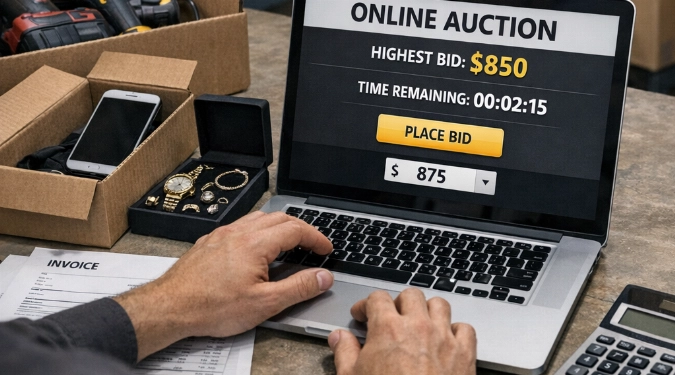
Whether you are browsing Sydney auctions, comparing online auction platforms, or simply learning how an online auction site works, understanding the basics makes a huge difference.
What “Police Seized Goods” Actually Means
Most seized goods come from law enforcement disposals, unclaimed property, or forfeitures. Items are usually sold “as-is,” meaning there are no guarantees. Before bidding, always check:
- Condition notes
- Photos
- Included accessories
- Serial numbers
- Damage signs
“Untested” means the risk is yours. A device that “powers on” may still be faulty. This is especially important when buying at auction NSW, where refunds are rare.
Set Up Before You Start Bidding
Before using any online auction platform, make sure you:
- Verify your account
- Add payment details
- Enable bid notifications
- Set a maximum spending limit
Common Extra Costs
| Fee | What It Covers |
|---|---|
| Buyer’s premium | Extra auction fee |
| GST | Tax on some items |
| Freight | Delivery or transport |
| Storage fees | Late pickup charges |
Many people overpay during online auction sales because they forget these extra costs.
How Online Auction Bidding Works
Most online auctions for goods use timed bidding systems. Bids increase in set increments, and many auctions extend automatically if someone bids near the end. This anti-sniping feature is common on major auction platforms. Instead of rushing, stay patient and stick to your budget.
Reserve Prices Explained
A low starting bid does not mean the item will sell for that price. Many lots have reserve prices — the minimum amount the seller will accept. If the reserve is not met: The item may relist, The seller may negotiate later or The lot may be “passed in”. Do not assume you won just because the timer ended.
Quick Checklist Before You Bid
Use this simple checklist when browsing an online auction site:
- Are keys or chargers included?
- Is the item tested?
- Are there visible cracks or water damage?
- Are pickup deadlines realistic?
- Will repairs cost more than the item is worth?
Tips To Avoid Overpaying
Successful buyers on online auctions Australia usually follow three simple rules: Set a hard budget. Avoid emotional bidding. Look for less popular items
Thinking About Starting Your Own Auction Business?
Many people who explore online auction sales eventually consider building their own platform. A strong online auction business plan should include:
- Payments
- Identity verification
- Shipping rules
- Refund policies
- Dispute handling
Businesses commonly use:
- Shopify
- WooCommerce
- Sharetribe
- Dedicated auction website builder tools
For property-focused businesses, specialized real estate auction software can help manage listings, inspections, and bidder registration. The most trusted online auction platforms are the ones that keep fees and rules clear from the start.
FAQ
Can I inspect items before bidding? Some auctions allow inspections, while others do not. Always inspect if possible.
What happens if I do not pay after winning? Your account may be restricted and the item may be relisted.
Are online auctions different from traditional Sydney auctions? Yes. Most online auctions extend the timer when late bids come in.
Disclaimer: This article is for informational purposes only and does not constitute professional advice. Readers should do their own research before participating in auctions.