
Government-Backed Glucose Monitoring Programs: Your Guide to Affordable Diabetes Technology
This guide explains how Government Glucose Monitoring Programs make glucose monitoring more affordable for Americans. If you’re seeking government-funded glucose monitoring or assistance with wearable blood sugar monitor technology, here’s how these programs work, who qualifies, and how to apply.
Overview of Programs: Enhancing Health Through Glucose Monitoring
Government-backed glucose monitoring programs help individuals access continuous glucose monitors (CGMs), glucose strips, transmitters, and wearable devices at reduced cost. These programs are structured to improve diabetes management, lower emergency care expenses, and give patients real-time glucose insights through FDA-approved sensors and monitoring systems. Medicare, Medicaid, and state-funded assistance plans often cover CGMs for individuals requiring frequent glucose testing or insulin management.
Understanding Eligibility and the Application Process
Eligibility generally requires documented diabetes, a prescription for a CGM, and evidence of ongoing glucose management needs. Applicants typically begin by meeting with a healthcare provider to verify medical necessity. Most programs require recent glucose logs, A1C results, and confirmation that the user benefits from continuous monitoring. Applications are completed through Medicare, Medicaid, or state portals, followed by review and approval.
Advantages of Using a Continuous Glucose Monitor
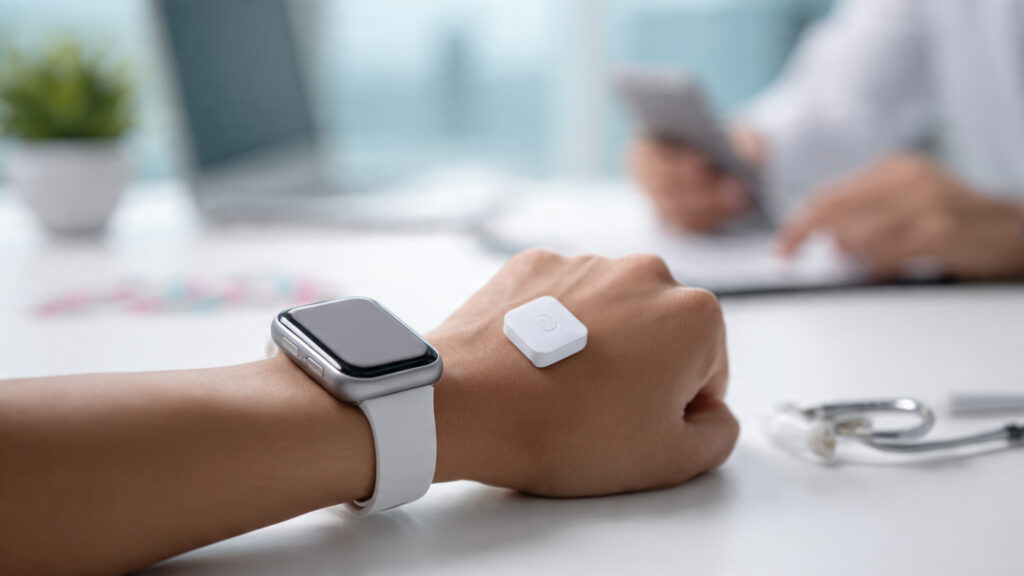
CGMs give users continuous insight into glucose fluctuations that are not captured by traditional fingersticks. Real-time readings improve A1C outcomes, reduce hypoglycemic episodes, and allow patients to understand how meals, stress, sleep, and exercise influence their glucose. Modern CGMs integrate with smartphones and the best smartwatch for diabetics, allowing discreet monitoring throughout the day.
Accessing Government Support for CGM
Medicare Coverage: Medicare Part B generally covers CGMs for qualifying diabetics who use insulin or require frequent glucose testing. Coverage includes sensors, transmitters, and receivers, significantly reducing monthly costs.
Medicaid Coverage: Most states now cover CGMs for both adults and children with diabetes, though specific rules vary. Some require prior authorization.
Additional Subsidy Options:
State-funded diabetes supply programs
Community clinics offering low-cost sensors
Nonprofit assistance programs for CGM supplies
Government subsidy for glucose monitoring strips for patients who still use fingerstick devices alongside CGMs
Enhancing the Use of a Government-Sponsored CGM
- Pair your CGM with a wearable blood sugar monitor or smartwatch app for real-time notifications.
- Review weekly glucose reports to identify patterns and adjust food or medication.
- Work with a certified diabetes educator to interpret data and refine treatment plans.
- Replace sensors on schedule to maintain consistent accuracy.
Additional Support and Resources
Patients may access government-supported diabetes classes, telehealth consultations, and digital coaching programs that reinforce proper CGM use. Nutrition counseling, physical activity programs, and chronic condition management resources further strengthen outcomes and complement glucose monitoring support.
Conclusion: Government-backed glucose monitoring programs offer affordable access to CGMs, making advanced diabetes technology available to individuals who need better glucose control. By understanding eligibility, applying for support, and using the technology effectively, patients can significantly improve daily management and long-term health outcomes.